
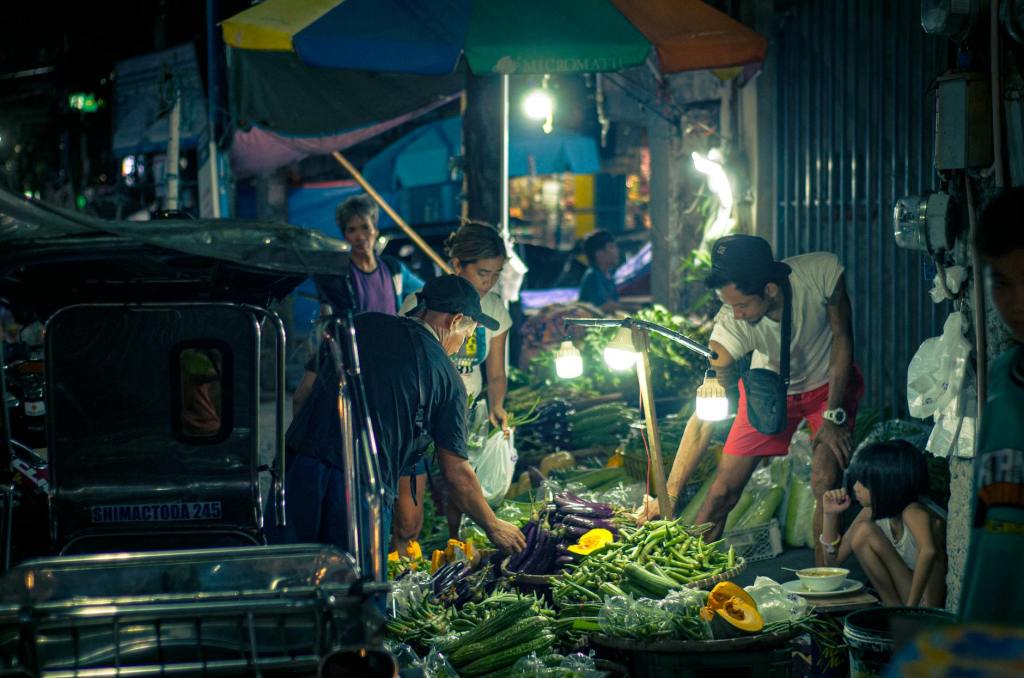
MANILA – Agriculture Secretary Francisco P. Tiu Laurel Jr. assured senators that the country’s food supply will remain adequate in the coming months, but warned that escalating tensions in the Middle East could push prices higher due to rising costs in logistics and farm inputs.
Speaking at a Senate briefing, Tiu Laurel said the immediate concern is affordability rather than supply, noting that higher fuel prices could increase expenses across the agricultural value chain, including fertilizers, transport, and distribution.
“As agriculture secretary, I don’t want to do this, but we could import what we need to ensure supply is sufficient. We could always cut tariffs to mitigate the impact of higher freight costs,” he said.
Rice supply remains stable, with stocks from the National Food Authority sufficient to feed the population for more than nine days. The domestic palay harvest is also nearing its peak, while additional imports have arrived following the lifting of restrictions from September to December last year.
However, Tiu Laurel warned that sustained increases in production costs may begin to affect rice prices by August.
The Department of Agriculture is closely monitoring the Strait of Hormuz, a key route for fertilizer shipments, where a significant portion of global urea, ammonia, and phosphate trade passes through. Any disruption could affect fertilizer supply and costs.
Despite geopolitical tensions triggered by the February 28 airstrikes involving the United States, Israel, and Iran, food prices have so far remained generally stable, based on DA data.
Other commodities also show sufficient supply. Pork inventories remain adequate, supported by cold storage facilities, while broiler production currently exceeds demand, bringing farmgate prices down to PHP93 to PHP96 per kilo from about PHP103.
To support the sector, the government has begun distributing subsidies and assistance to farmers and fisherfolk using funds from 2025 and a PHP10 billion allocation for this year, with most payouts expected after Holy Week.
Tiu Laurel said additional funding may be required if oil prices reach USD200 per barrel for a prolonged period.
“These are challenging times,” he said, adding that long-term resilience will depend on improving efficiency, strengthening local production, and coordinated efforts across sectors.


 Republika News
Leave a comment