
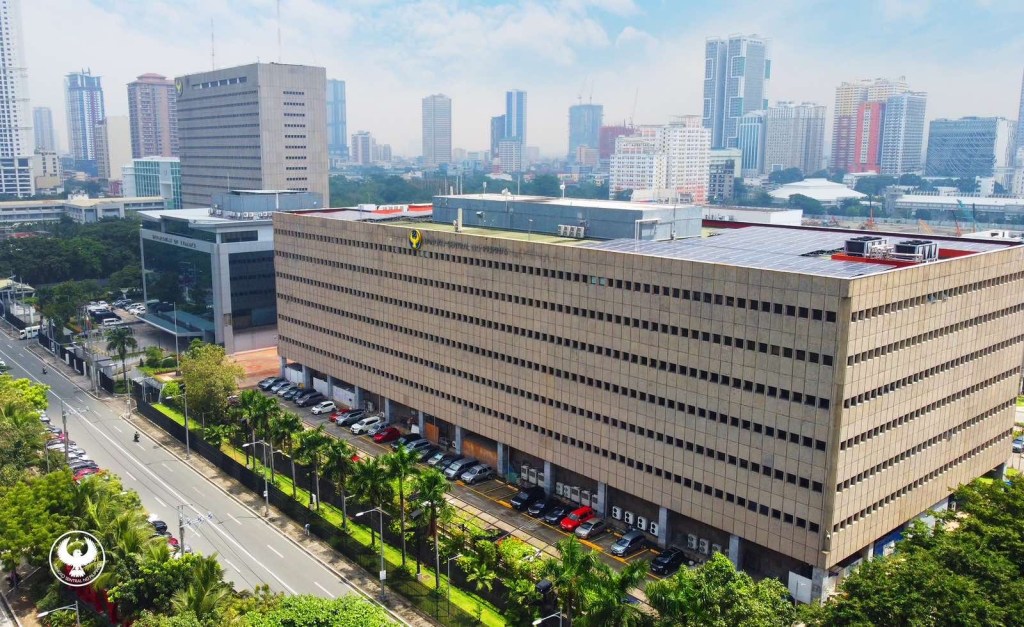
MANILA – The Bangko Sentral ng Pilipinas (BSP) held an off-cycle policy meeting, four weeks ahead of schedule, deciding to maintain record-low interest rates even as inflation is projected to exceed the central bank’s target this year.
BSP Governor Eli Remolona Jr. said the Monetary Board opted to keep the key rates unchanged: the target reverse repurchase rate at 4.25%, the overnight deposit rate at 3.75%, and the overnight lending rate at 4.75%.
The decision comes as the BSP raised its 2026 inflation forecast to 5.1%, above the 2%–4% target range, amid global uncertainties including the ongoing armed conflict in the Middle East affecting oil prices. The 2027 inflation forecast was also increased to 3.8% from 3.2%, which Remolona described as “very reassuring.”
“We kept the policy rates steady today because we forecast headline inflation will move back toward the tolerance range by 2027, and inflation expectations remain well-anchored. At the same time, the weak aggregate demand would help prevent inflation from rising even further,” he said during a virtual briefing.
Remolona added that the BSP would focus on mitigating potential second-round effects of rising oil prices. “For that, we will remain vigilant, we will be guided by data, and we will act as needed to pursue our primary mandate,” he said.
The off-cycle meeting was scheduled ahead of the next regular policy session on April 23, as the Monetary Board assessed new economic data since its last meeting on February 19.
“We call for an off-cycle meeting whenever we feel that the data might have changed a lot. For now, we expect that the next policy meeting would be scheduled on April 23,” Remolona said, adding that further meetings may be held “as needed” if the Middle East conflict persists.
Since February, tensions between the United States and Iran have intensified, affecting transport fares, food prices, and wages. The Philippine peso has also hit record lows, closing at P60.3:$1 on March 23.
“So far it hasn’t merited heavy intervention. At the same time, we understand that the weakness of the peso is not necessarily a bad thing. The peso, where it’s going, seems to help with our current account deficit, seems to help with our exports. It’s not necessarily a bad thing,” Remolona said.
The BSP also lowered its economic growth outlook for 2026 to 4.4% from 4.6%, marking the fourth consecutive year the Philippines is projected to miss its growth target.
“Unusual inflation is now driven almost entirely by supply shocks for which monetary policy cannot do very much, but it can still do something about growth,” he said. “Our mandate is to maintain price stability conducive to balanced and sustained growth, so growth is an implied mandate, although I would say price stability is the main mandate.”
Remolona said the central bank is also considering regulatory relief measures similar to those implemented during the COVID-19 pandemic, including standardized loan restructuring and postponed payments for affected sectors.
“We’re contemplating the same things we did with bank lending to the informal sector and to low-income, small businesses. We’re gonna have standardized restructuring if a loan defaults. We’re gonna postpone some payments depending on the sector, so very similar to what we did during COVID,” he said.

 Republika News
Leave a comment