
MANILA – The Philippines has been included in a global human rights watchlist amid concerns over worsening restrictions on civic freedoms nearly four years into the administration of Ferdinand Marcos Jr.
In a report, the CIVICUS Monitor placed the country on its Watchlist, citing what it described as an intensifying pattern of repression against activists, protesters, and journalists.
The Philippines remains classified as “Repressed” by the monitor, the second lowest rating, indicating serious limitations on freedoms of expression, peaceful assembly, and association. It joins Benin, Ecuador, Iran, and Georgia in the latest list of countries flagged for rapid declines in civic space.
“There is a deeply troubling pattern of state actions against protests that is restricting the democratic space and stifling fundamental freedoms,” said Josef Benedict. “It is creating a chilling effect for many in the Philippines who seek to speak out and organise.”
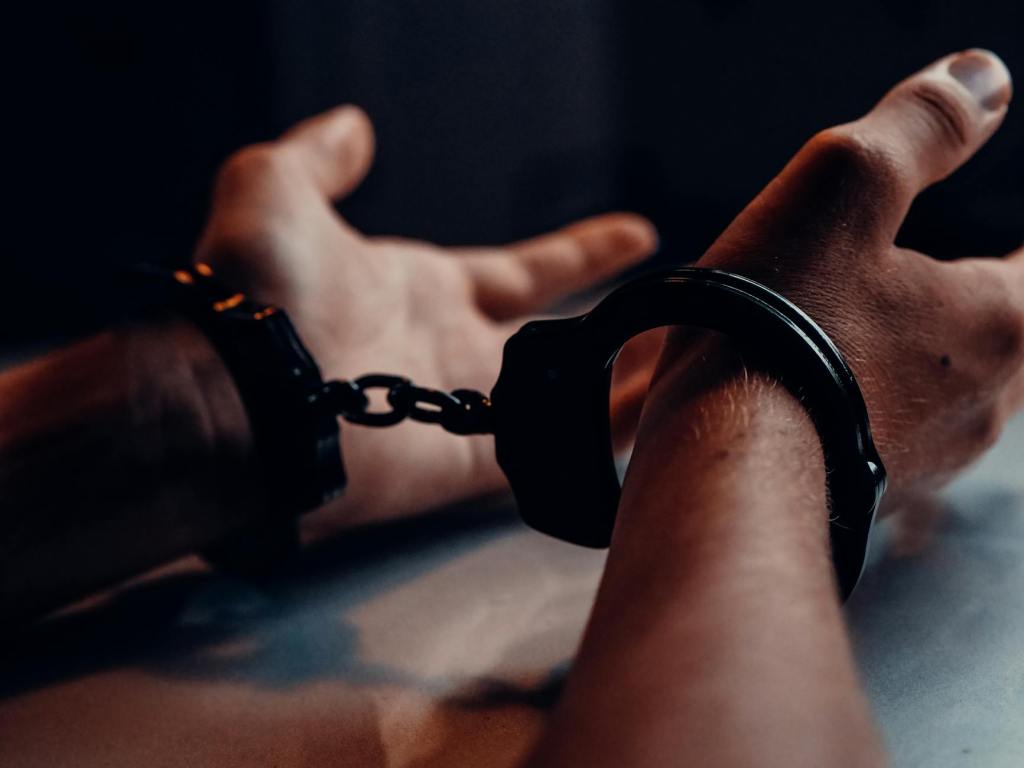
The report pointed to incidents in September 2025 when police allegedly used excessive force during anti-corruption protests. More than 200 individuals, including 91 minors, were arrested and reportedly denied access to legal counsel and family members. Some protesters said they were physically assaulted, raising concerns of possible torture or ill-treatment.
Authorities were also accused of using legal mechanisms against dissenters. In November 2025, the Department of Justice filed cases against 97 protesters, including charges of sedition and inciting to sedition under the Cybercrime Prevention Act of 2012. Subpoenas were issued to several figures, including Renato Reyes Jr., along with student activists.
Civil society groups described the move as part of a broader pattern of judicial harassment.
Arrests of activists continued into 2026. On February 25, police detained human rights defenders Edel Parducho and Three Odeña during a march marking the anniversary of the People Power Revolution. Other arrests were reported involving anti-mining protesters in Nueva Vizcaya and farmers engaged in land disputes in Laguna.
The report also highlighted risks faced by environmental and labor advocates. In late 2025, activists in Negros Occidental and Cagayan Valley were reportedly attacked or detained following typhoons. Cases involving alleged terrorism financing were also cited, including those of Carmilo Tabada and Michael Cabangon.
Red-tagging incidents were likewise noted, including claims involving environmental lawyer Antonio La Viña and several labor organizers in the Bicol region.
Journalists have also faced legal challenges. In January 2026, journalist Frenchie Mae Cumpio and human rights advocate Marielle Domequil were convicted on terrorism-financing charges after nearly six years in pre-trial detention. A court later denied their bail request.
“During a period when public accountability is urgently needed, authorities are choosing to use restrictive laws to criminalise activists and journalists rather than address legitimate public concerns,” Benedict said. “The international community must not remain silent but call on the Philippines government to adhere to their international human rights obligations to ensure the right to freedom of expression and peaceful assembly and to drop all charges against activists.”

 Republika News
Leave a comment