
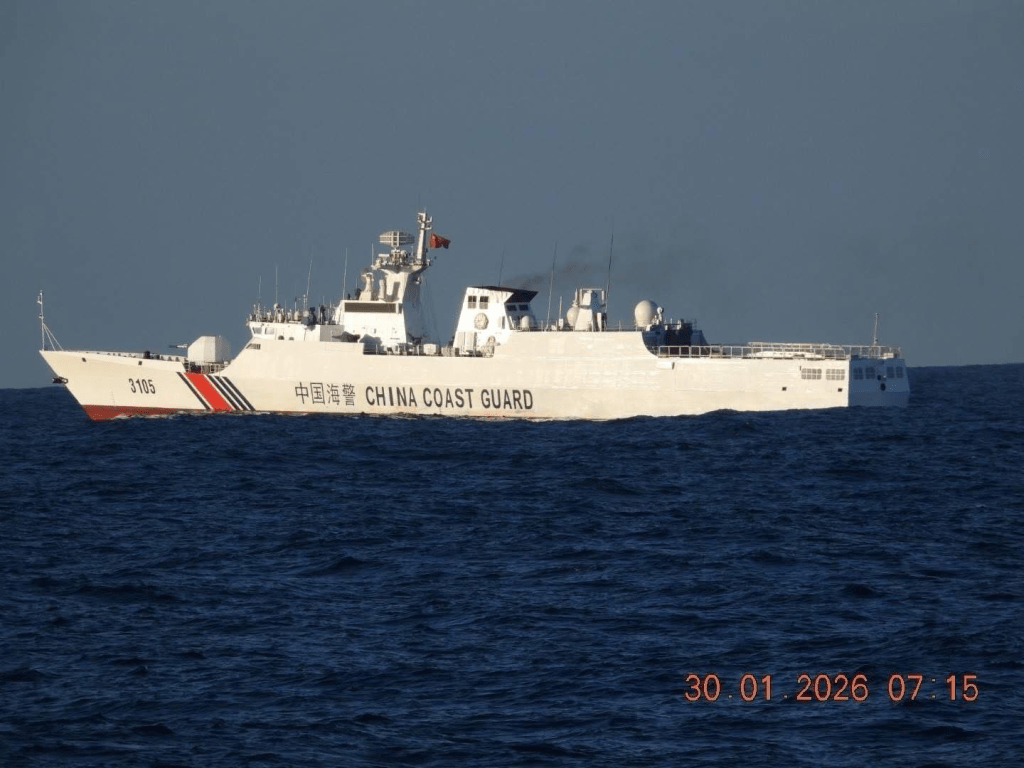
MANILA — The Department of Foreign Affairs said the Philippines reiterated its positions and expressed concerns over China’s actions in the West Philippine Sea that have affected the safety of Filipino personnel and fishermen during bilateral consultations this week.
The discussions took place on March 27 and 28 in Quanzhou City, Fujian Province, China, through the 24th Foreign Ministry Consultations (FMC) and the 11th Meeting of the Bilateral Consultation Mechanism (BCM) on the South China Sea.
The Philippines raised specific incidents that disrupted lawful activities and posed risks to Filipino personnel and fishermen. The country also emphasized the need for diplomacy and communication to manage maritime differences, while upholding the 1982 United Nations Convention on the Law of the Sea and the 2016 South China Sea Arbitral Award, which affirms the Philippines’ sovereign rights over the disputed area. China, however, does not recognize the 2016 ruling.
During the consultations, both countries discussed strategic, political-security, and law enforcement issues. DFA said the Philippines reaffirmed its commitment to handle bilateral issues in line with its national interest while promoting mutually beneficial cooperation, particularly in economic and people-to-people initiatives.
The talks followed a near-collision incident two days earlier when a Philippine Navy warship narrowly avoided a collision with a vessel of China’s People’s Liberation Army Navy near Pag-asa Island. The Armed Forces of the Philippines described the encounter as an alarming escalation, noting that previous encounters more commonly involved civilian vessels.
Economic cooperation, including potential tourism agreements such as visa-free arrangements, enhanced connectivity, and new direct air routes, were also discussed, particularly in light of the ongoing conflict in the Middle East. DFA noted that reconvening appropriate bilateral mechanisms was seen as a necessary step.
The Philippines, now chairing the Association of Southeast Asian Nations, pledged to manage regional discussions responsibly, uphold ASEAN centrality, and reinforce a rules-based order to contribute to peace and stability in the region.


 Republika News
Leave a comment