
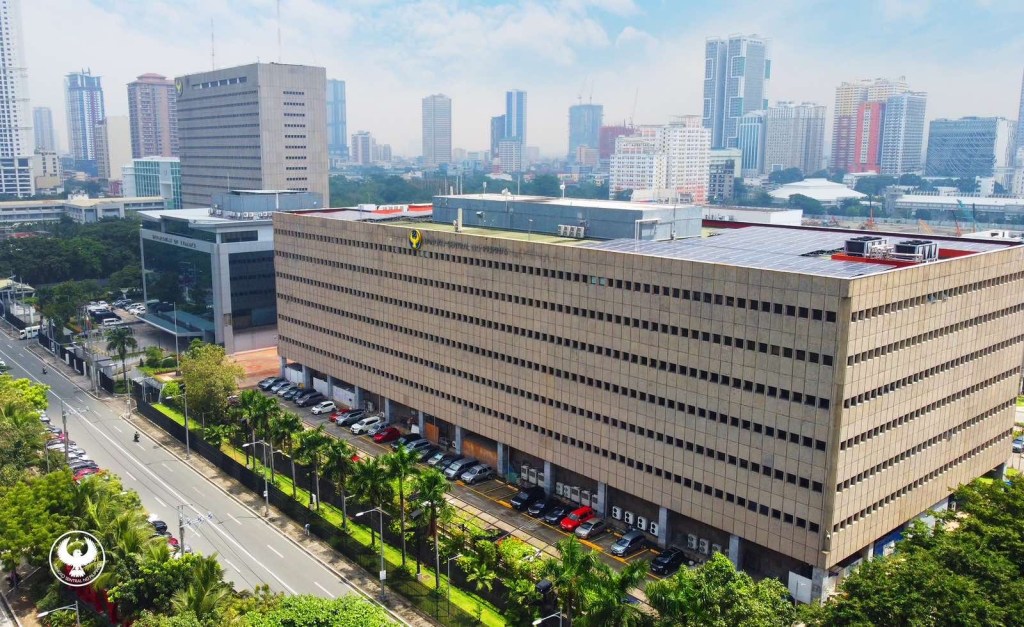
MANILA – The Bangko Sentral ng Pilipinas (BSP) is facing growing calls to tighten monetary policy as supply shocks from the ongoing Middle East conflict begin to ripple through the Philippine economy.
In a media report, it said that economists and financial institutions are increasingly expecting the BSP to raise its benchmark interest rate from the current 4.25 percent to 4.5 percent at the April 23 Monetary Board meeting. The pressure comes despite the BSP’s decision to hold rates steady during a rare off-cycle meeting on March 26.
Frankfurt-based Deutsche Bank noted that while the central bank maintained its key policy rate, it still anticipates a 25-basis-point hike in April. “A gradual tightening in policy settings from April would provide a strong signal of BSP’s commitment to proactively manage inflationary pressures and maintain macroeconomic stability,” the bank said.
Ayala-led Bank of the Philippine Islands (BPI) highlighted that the current shocks remain supply-driven and have not yet permeated demand. However, sustained oil price increases could push inflation beyond five percent, potentially triggering a more hawkish response if expectations drift, BPI senior vice president and lead economist Emilio S. Neri, Jr. said.
Think tank Moody’s Analytics said the early March meeting reflects the BSP’s desire to steady expectations amid rising external risks. Deutsche Bank also projected inflation to exceed the four-percent ceiling in April due to second-round effects spreading across the economy.
Meanwhile, BMI, Fitch Ratings’ research arm, warned that while inflation could overshoot targets in the near term, weak gross domestic product (GDP) growth may limit immediate rate hikes. “It remains premature to price in a policy hike by the central bank, as surging oil prices are largely supply-driven and not easily addressed by monetary policy,” BMI said.
The central bank’s flexibility, however, allows for prompt action should inflation expectations worsen, signaling that a rate adjustment remains possible later this year if the Middle East conflict continues to drive fuel prices and broader inflation.



 Republika News
Leave a comment