
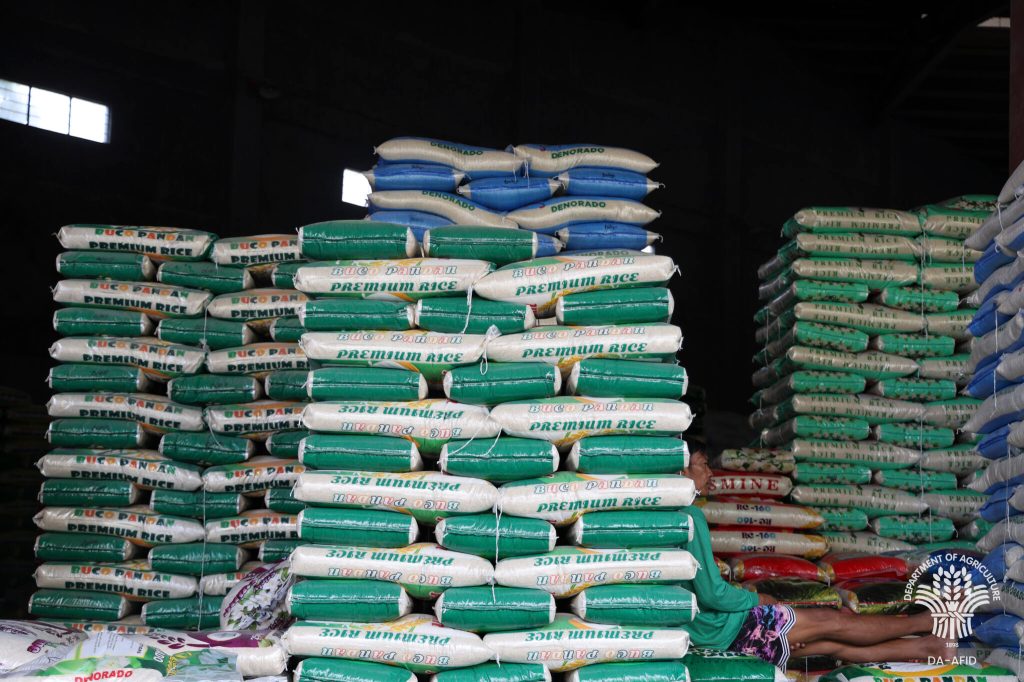
MANILA – The National Price Coordinating Council (NPCC) has endorsed a proposal to impose a ₱50 per kilogram price ceiling on imported rice as rising global oil prices continue to drive up food costs in the Philippines.
The measure, proposed by the Department of Agriculture (DA), is pending approval by Ferdinand Marcos Jr. and will apply to imported rice with 5 percent broken grains. It is set to be implemented for 30 days as a temporary intervention.
The proposed cap aims to temper increases in rice prices, amid inflationary pressures linked to ongoing geopolitical tensions in the Middle East that have pushed up fuel and transport costs.
Higher fuel prices have increased logistics expenses, contributing to the rising retail cost of basic commodities, including rice. The Philippines, which relies heavily on rice imports, faces heightened concerns over affordability and supply stability due to these external factors.
The proposal is anchored on the Price Act and existing executive issuances, as part of government efforts to prevent what it considers unreasonable price increases and possible market abuse. Rice remains a major component of household spending, particularly among low-income families.
Agriculture Secretary Francisco P. Tiu Laurel Jr. said imported rice that arrived before the February 28 attack involving the United States and Israel against Iran had lower landed costs.
He noted that retail prices exceeding ₱50 per kilogram for such rice are “bordering on profiteering.”
“With global oil shocks feeding into higher food prices, this measure delivers immediate relief to consumers while reinforcing the government’s commitment to keep rice accessible, affordable, and fairly priced,” he said.
Economists, however, have cautioned that price ceilings may disrupt market dynamics if not carefully enforced, potentially discouraging importation or causing temporary shortages.
Authorities said limiting the policy to 30 days is intended as a short-term measure while monitoring market response and broader economic conditions.
Industry stakeholders are expected to closely monitor how the price cap will be enforced, as the government balances consumer protection with maintaining incentives for traders and ensuring stable supply.



 Republika News
Leave a comment