MANILA — The Department of Energy (DOE) announced additional measures to ease the impact of oil supply disruptions, including faster processing of net metering applications for rooftop solar installations.
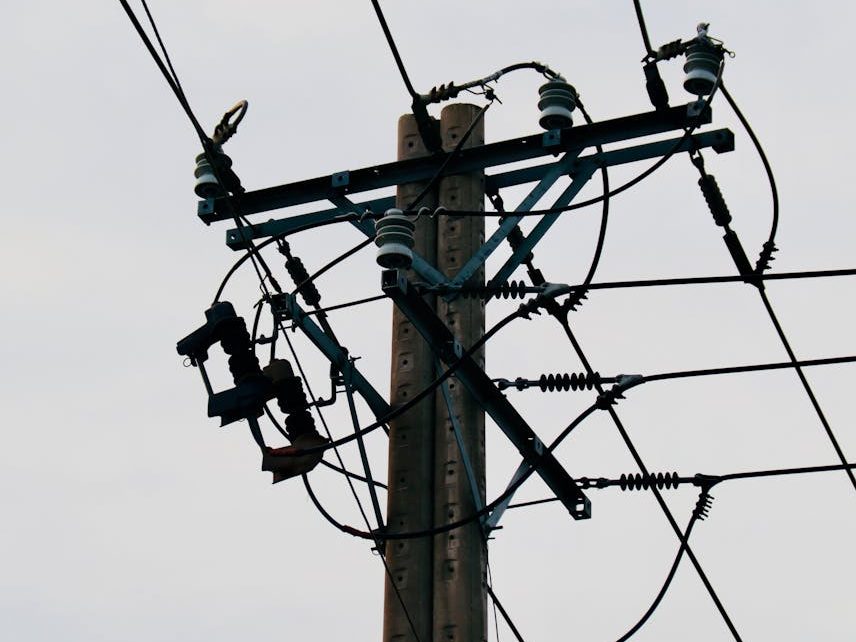
Under the new directive, distribution utilities (DUs) and electric cooperatives (ECs) must complete their part of net metering approvals within 10 days, while local government units (LGUs) are required to finalize approvals within three working days. Previously, DUs and ECs had up to 20 working days to process applications, and LGU timelines varied.
DOE Secretary Sharon Garin said the program allows households and businesses with solar panels to feed surplus power of up to 100 kilowatts (kW) into the grid in exchange for credits on their electricity bills.
“Every unnecessary delay in net metering is a delay in savings for Filipino consumers,” Garin said.
“Under the directive of President Ferdinand Marcos Jr. through Executive Order No. 110, we are pushing faster, simpler, and more responsive approval processes so that more households and businesses can benefit from rooftop solar, lower their electricity bills, and strengthen their resilience against global energy price shocks.”
The DOE also issued special guidelines for fuel station monitoring and inspections to ensure coordinated and disciplined oversight. Deputized agencies include LGU representatives, the Philippine National Police, the National Electrification Administration, and the National Power Corporation.
“Under the Guidelines, deputized agencies are directed to coordinate closely with the DOE in the conduct of inspections, properly identify themselves and clearly communicate the purpose of their visit, observe fuel inventory levels, daily sales, and dispensing practices, verify unusual or bulk purchases when necessary, and document their observations for submission to the DOE for evaluation and appropriate action,” the department said.
The guidelines aim to ensure that essential sectors, including hospitals, transport, agriculture, telecommunications, and government services, have access to fuel.
In addition, the DOE is enforcing anti-hoarding policies in the downstream oil industry to prevent artificial shortages. Measures include temporary fuel purchase limits, tighter regulation of container-based transactions, monitoring through the Emergency Petroleum Monitoring System (EPMS), and defined enforcement procedures such as Show Cause Orders.
The DOE is also re-convening its joint task force with the Department of Justice to investigate suspected hoarding and initiate administrative or criminal actions under existing laws.
“These Guidelines are meant to ensure that petroleum products continue to move where they are needed, when they are needed, and at a level that protects consumers, supports economic activity, and upholds public order amid the impact of the Middle East conflict on global oil markets,” Garin said.



 Republika News
Leave a comment