
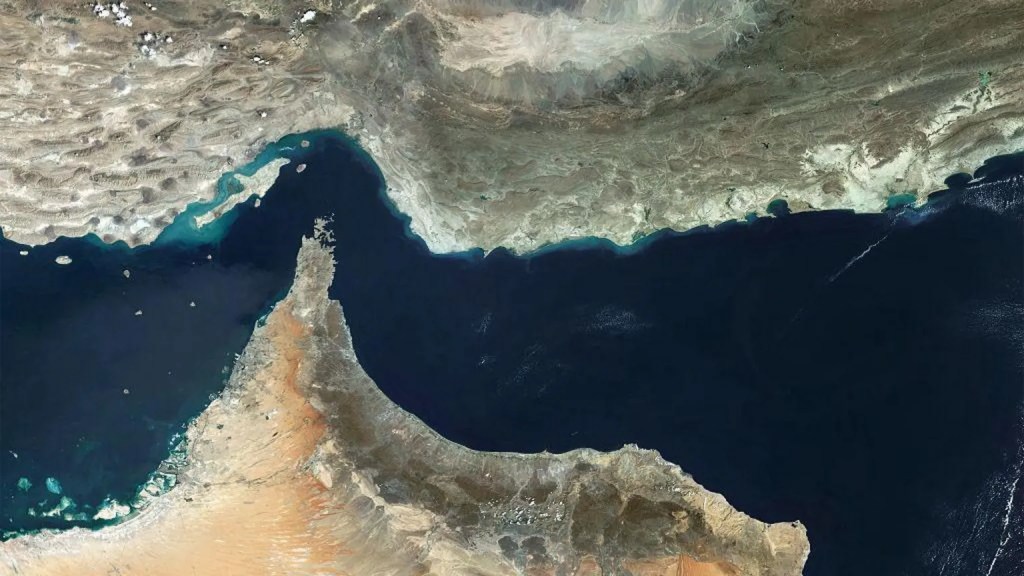
MANILA — Energy Secretary Sharon Garin described Iran’s agreement to allow safe passage for Philippine-bound energy shipments through the Strait of Hormuz as a “risk management” measure aimed at securing the country’s oil supply.
In a Facebook post, Garin acknowledged that the arrangement is not a “perfect solution” and does not “eliminate all risks,” but she said it improves the Philippines’ position amid global uncertainties.
“Even if much of our fuel is sourced from regional hubs like Singapore or Korea, the crude oil these come from often passes through the Strait of Hormuz. Any disruption there creates a domino effect that impacts global supply—and ultimately, prices at the pump,” Garin said.
She added that ensuring safe and preferential access through the strait reduces the risk of supply disruptions, protects Philippine-linked cargo, and enhances safety for Filipino seafarers.
“This is risk management because in a time of global tension, risk reduction is already a meaningful gain,” she said.
Garin stressed, however, that the agreement does not guarantee lower oil prices or solve long-term energy challenges.
“This development will not immediately bring down fuel prices, nor does it resolve our long-term structural challenges in energy. Those remain priorities that we continue to address,” she said. “But what this does is help ensure continuity of supply and stability, especially at a time when further disruptions could significantly affect our economy and our people.”
The Philippines secured the safe passage deal following a teleconference on April 2 between Foreign Affairs Secretary Ma. Theresa Lazaro and Iranian Foreign Minister Seyed Abbas Araghchi. The Strait of Hormuz is a key maritime corridor, handling roughly 20% of the world’s oil and liquefied natural gas supply.
The announcement comes as petroleum prices in the country remain high, with some fuels averaging over ₱130 per liter.
 Republika News
Leave a comment