
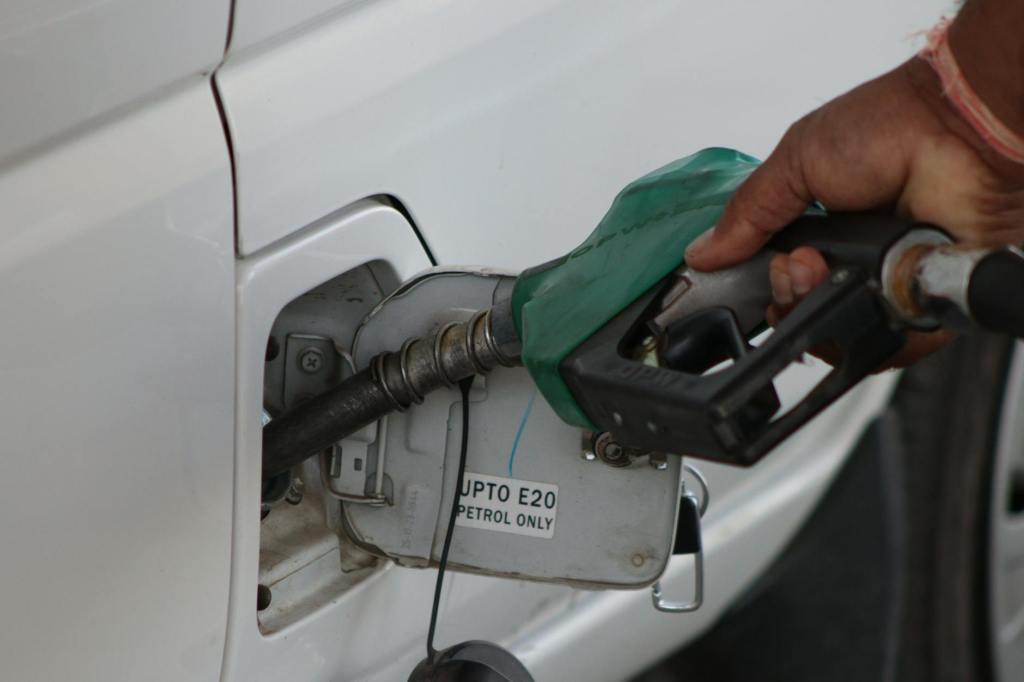
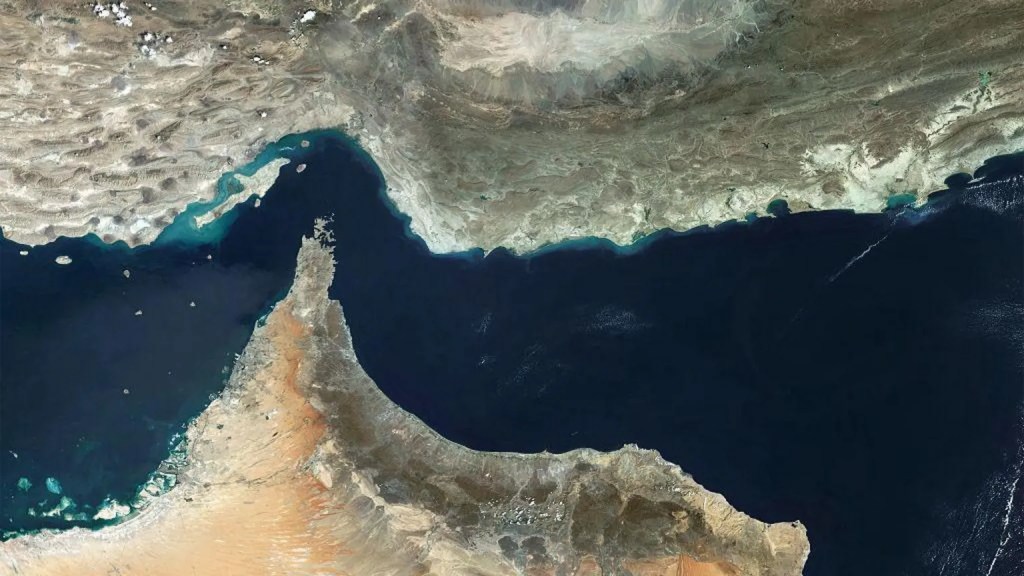
MANILA — The Philippines is confronting a deepening fuel supply crisis and potential economic slowdown as the continued closure of the Strait of Hormuz disrupts imports of refined petroleum, according to analysts from Oxford Economics.
Oxford Economics identified the Philippines as among the most vulnerable nations globally due to its heavy reliance on imported refined products and limited fiscal capacity to absorb prolonged price shocks.
The disruption has removed an estimated 10 million barrels per day from global supply, a deficit experts say cannot be resolved by high prices or strategic reserves alone. For the Philippines, the shortage has already forced the government to declare a national energy emergency, prompted a mandated four-day workweek, and led to tighter credit terms for local fuel traders, raising concerns over a prolonged industrial slowdown.
“Short-run oil demand is inelastic,” said Bridget Payne. Payne noted that while Brent crude has surged 79 percent above baseline levels, global consumption is projected to fall by only 2.4 million barrels per day in the second quarter, leaving a significant supply gap.
The diesel market, critical for freight, agriculture, and construction, is particularly affected, as there are few immediate substitutes. Constraints in diesel supply are already driving higher costs for basic goods, even if crude prices stabilize.
Regional neighbors including Vietnam, Thailand, Bangladesh, and Pakistan are implementing emergency measures such as fuel purchase caps and export bans. However, the Philippines faces additional pressure due to competition for non-Gulf supply.
Oxford Economics warned that if the blockade persists for six months, it could trigger a “rationing shock” capable of slowing global GDP growth and potentially reducing the Philippines’ economic growth to 1.4 percent in 2026.
For now, the Philippine government is prioritizing the securing of emergency fuel shipments to prevent the current administrative rationing from evolving into a total breakdown of the domestic supply chain.



 Republika News
Leave a comment