
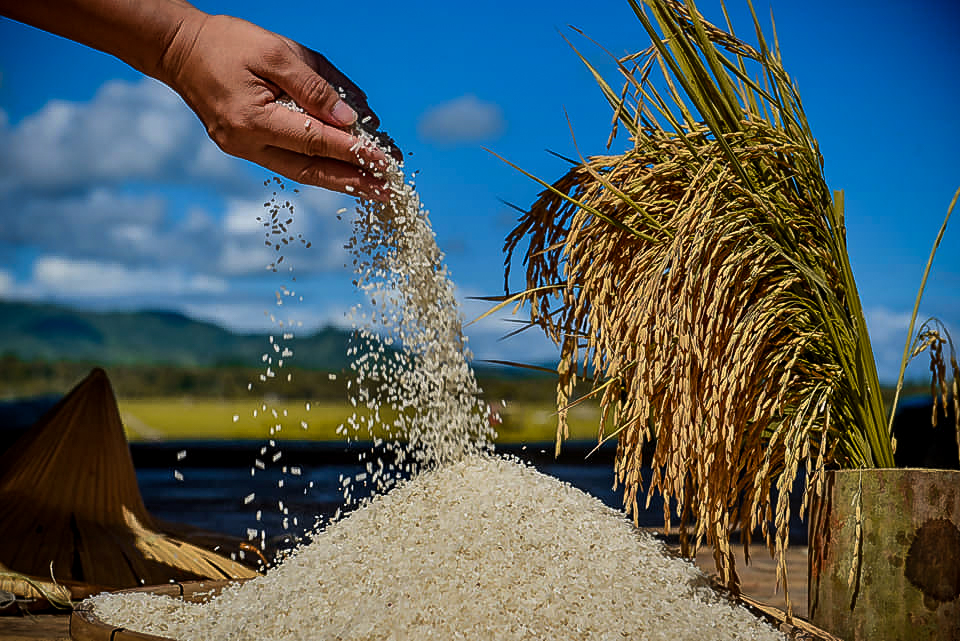
MANILA — Inflation for rice, the country’s staple grain, returned to positive territory in March after 14 months of deflation, driven by higher transportation costs amid rising global fuel prices linked to the Middle East conflict.
At a press briefing on Tuesday, National Statistician and Philippine Statistics Authority (PSA) Undersecretary Claire Dennis Mapa reported rice inflation at 3.6%, up from a deflation of -3.4% in February.
“The inflation rate for rice is now positive after a long period of negative inflation since January 2025,” Mapa said, noting that last year’s rice prices had benefited from base effects and the July 2024 reduction in rice import tariffs.
Latest Department of Agriculture monitoring showed per kilo prices of regular, well-milled, and premium rice varieties at ₱43.28, ₱47.95, and ₱58.90, respectively, up from ₱38.59, ₱44.70, and ₱51.63 in the same period last year.
Mapa attributed the return to positive inflation largely to higher transport costs caused by increases in diesel and gasoline prices.
Overall, the country’s inflation rate rose to 4.1% in March, the fastest pace in 20 months, largely driven by a 9.9% jump in the Transport index from a 0.3% decline in February. Gasoline prices soared 27.3% from -5.7%, while diesel surged 59.5% from -1.3%.
This resurgence in rice and transport costs underscores the broader impact of the global fuel price shock on the Philippine economy.


 Republika News
Leave a comment