
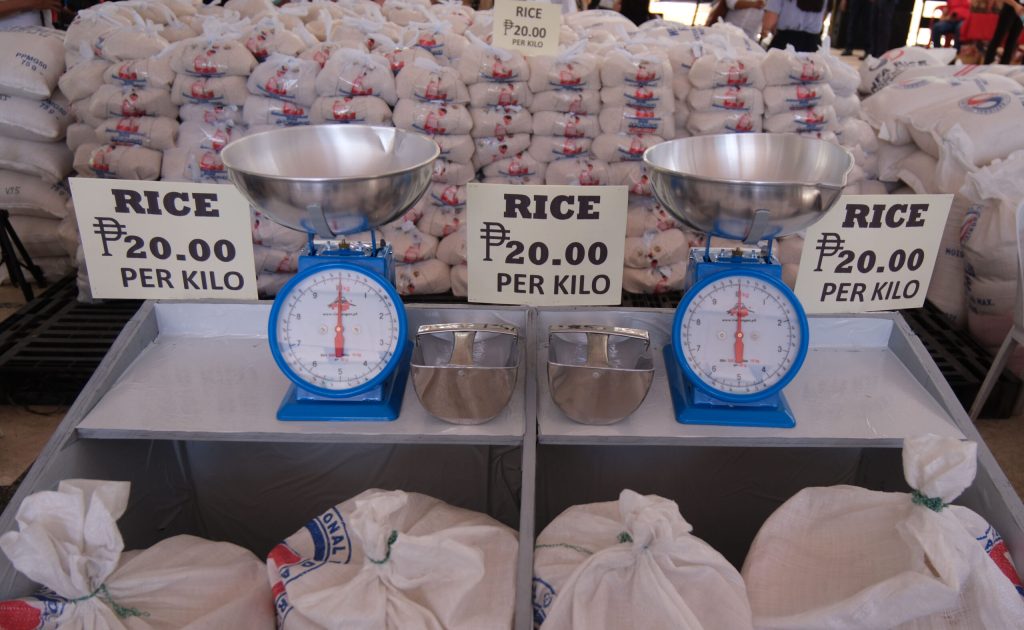
MANILA — The Department of Agriculture (DA) assured the public that rice stocks in warehouses of the National Food Authority (NFA) remain adequate, supported by record procurement last year, even as demand for subsidized rice continues to increase.
The agency said beneficiaries of the “Benteng Bigas, Meron Na!” program, a flagship food initiative of Ferdinand Marcos Jr., are encouraged to register online to ensure orderly distribution and prevent congestion at selling points, as well as potential misuse.
“We implemented online registration to ensure that the most vulnerable sectors benefit from the P20-per-kilo rice, especially during these challenging times,” said Agriculture Secretary Francisco Tiu Laurel Jr.. “For those who can pay slightly more, Food Terminal Inc. provides affordable rice through the Rice-for-All initiative, which has helped stabilize supply.”
Authorities said the registration system also aims to curb abuse of the program.
“We’ve caught buyers presenting fake IDs, suggesting some are exploiting the program at the expense of real beneficiaries,” said Assistant Secretary Genevieve Velicaria-Guevarra, who heads the KADIWA ng Pangulo Program. “We appeal for cooperation from our fellow Filipinos, abusing the system would only hurt the most vulnerable among us during these trying times.”
To augment local supply ahead of the harvest season, the DA allowed limited rice imports starting in January. The move comes as rising fuel costs linked to tensions in the Middle East continue to push up freight, insurance, and production expenses. The situation has been aggravated by the closure of the Strait of Hormuz, a key global trade route for oil and fertilizer inputs.
Rice importation resumed in January and slowed in March following a four-month ban last year, which had driven up farmgate prices of palay.
“If necessary, we are ready to tap other rice-exporting countries to secure additional supply,” Tiu Laurel said, adding that the government remains prepared to keep supply and prices stable.
The President has also approved a P50-per-kilo price ceiling on imported rice, with an executive order expected to be issued soon to implement the measure.
Data also showed that food inflation among the country’s bottom 30 percent of households rose to 3.7 percent in March from 1.9 percent in February, driven mainly by higher prices of cereals, fish, and vegetables.
The DA said its combined approach of boosting local procurement, managing imports, and implementing controlled distribution through online systems is intended to ensure that subsidies reach intended beneficiaries while discouraging hoarding.
In addition to rice measures, the agency is also working to secure fertilizer supplies and accelerate infrastructure projects, including farm-to-market roads, post-harvest facilities, and rice processing systems, to help reduce production costs and increase farmers’ earnings.
“Our goal is to ensure sufficient rice supply while keeping prices manageable,” Tiu Laurel said. “These measures help both consumers and farmers weather current challenges and safeguard food security.”


 Republika News
Leave a comment