
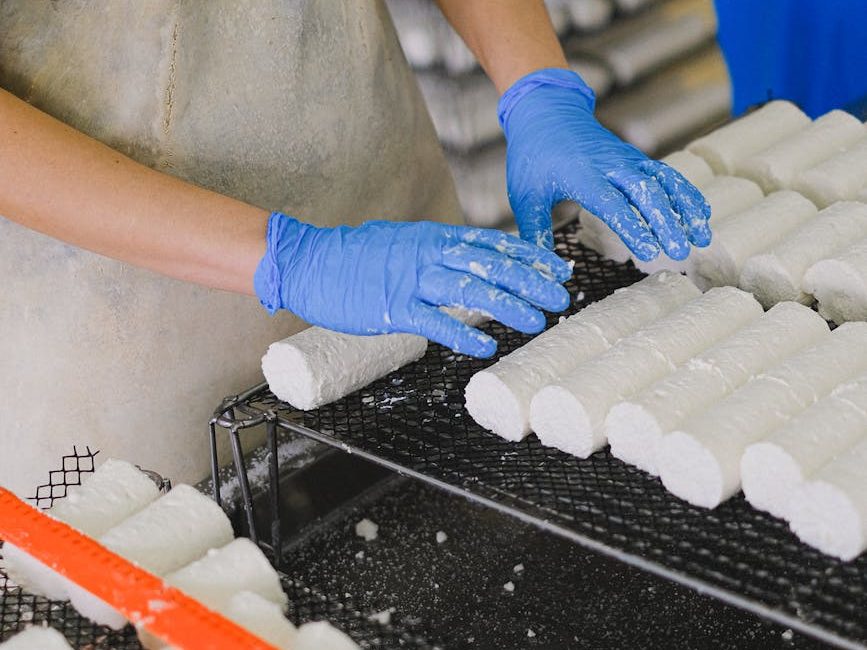
The Philippine manufacturing sector posted slower year-on-year growth in June 2025, with key production and sales indices easing compared to the previous month, data from the Philippine Statistics Authority (PSA) showed.
The Value of Production Index (VaPI) rose by 1.8 percent in June 2025, down from 3.1 percent in May and 3.6 percent in June 2024. The Volume of Production Index (VoPI) similarly decelerated to 2.2 percent, from 3.4 percent the previous month.
The slowdown in both VaPI and VoPI was primarily driven by steeper declines in the manufacture of basic metals, which saw a 24.0 percent drop in VaPI and a 23.2 percent fall in VoPI. The industry, which has the fifth highest weight in the computation of VaPI, contributed 32.6 percent to the overall downtrend in VaPI.
Also weighing down overall growth were sharper declines in the manufacture of coke and refined petroleum products (down 7.9 percent in VaPI and 12.0 percent in VoPI), and chemicals and chemical products (down 14.0 percent in VaPI and 14.7 percent in VoPI).
Despite the slowdown, 14 out of 22 industry divisions recorded annual increases in VaPI, while 14 out of 19 showed growth in VoPI.
The top three contributors to the growth in both production indices were:
- Manufacture of food products
- Manufacture of transport equipment
- Manufacture of computer, electronic and optical products
In particular, food products saw a significant boost. The VaPI for this sector surged by 27.1 percent in June from 16.2 percent in May, while its VoPI increased by 26.3 percent, up from 15.5 percent in the previous month. The gains were driven by strong growth in six of eight food industry groups, notably other food products — including bakery goods, sugar, and condiments — which rose by 25.5 percent in VoPI.
However, not all food sub-sectors performed as strongly. The processing and preserving of meat slowed to a 15.4 percent VoPI increase from 20.4 percent in May, while grain mill products declined by 0.4 percent from a 5.0 percent rise.
The Value of Net Sales Index (VaNSI) also slowed, rising 5.4 percent year-on-year in June from 6.1 percent in May. The main drag was again the manufacture of basic metals, which reversed from a 9.2 percent increase to a 15.8 percent decline, accounting for 61.4 percent of the slowdown.
Other contributing factors included:
- A slower increase in computer, electronic and optical products (up 1.7 percent from 3.9 percent)
- A reversal in chemicals and chemical products (down 1.2 percent from up 5.6 percent)
Still, 16 out of 19 remaining industry divisions posted annual sales increases.
Top contributors to VaNSI growth included:
- Manufacture of food products
- Manufacture of transport equipment
- Manufacture of electrical equipment
The VaNSI for food products rose 12.8 percent in June from 6.2 percent in May, led by a 43.5 percent surge in vegetable and animal oils and fats.
The Volume of Net Sales Index (VoNSI) mirrored the trend, registering a 5.9 percent increase in June, slower than the 6.5 percent posted in May. This was largely due to:
- A 15.0 percent decline in basic metals (from a 10.7 percent increase)
- A 2.0 percent drop in chemicals and chemical products (from a 4.6 percent increase)
- Slower growth in computer, electronic and optical products (up 4.3 percent from 6.1 percent)
Food products again led the gains, with VoNSI rising 12.1 percent, up from 5.6 percent in May, supported by strong growth in six out of eight food groups. The “other food products” segment grew 16.9 percent, while vegetable and animal oils and fats slowed to 37.3 percent from 45.4 percent, and dairy products declined 17.7 percent.
Capacity utilization softens slightly
Average capacity utilization in the manufacturing sector stood at 76.6 percent in June 2025, slightly lower than 77.0 percent in May but higher than 74.9 percent in June 2024.
All industry divisions reported capacity utilization above 60 percent, with the top performers being:
- Other manufacturing and repair and installation of machinery and equipment: 84.6 percent
- Manufacture of tobacco products: 81.9 percent
- Manufacture of beverages: 81.8 percent
About 35.9 percent of establishments operated at full capacity (90–100%), while 41.6 percent ran at 70–89 percent, and 22.6 percent operated below 70 percent.




Leave a comment