
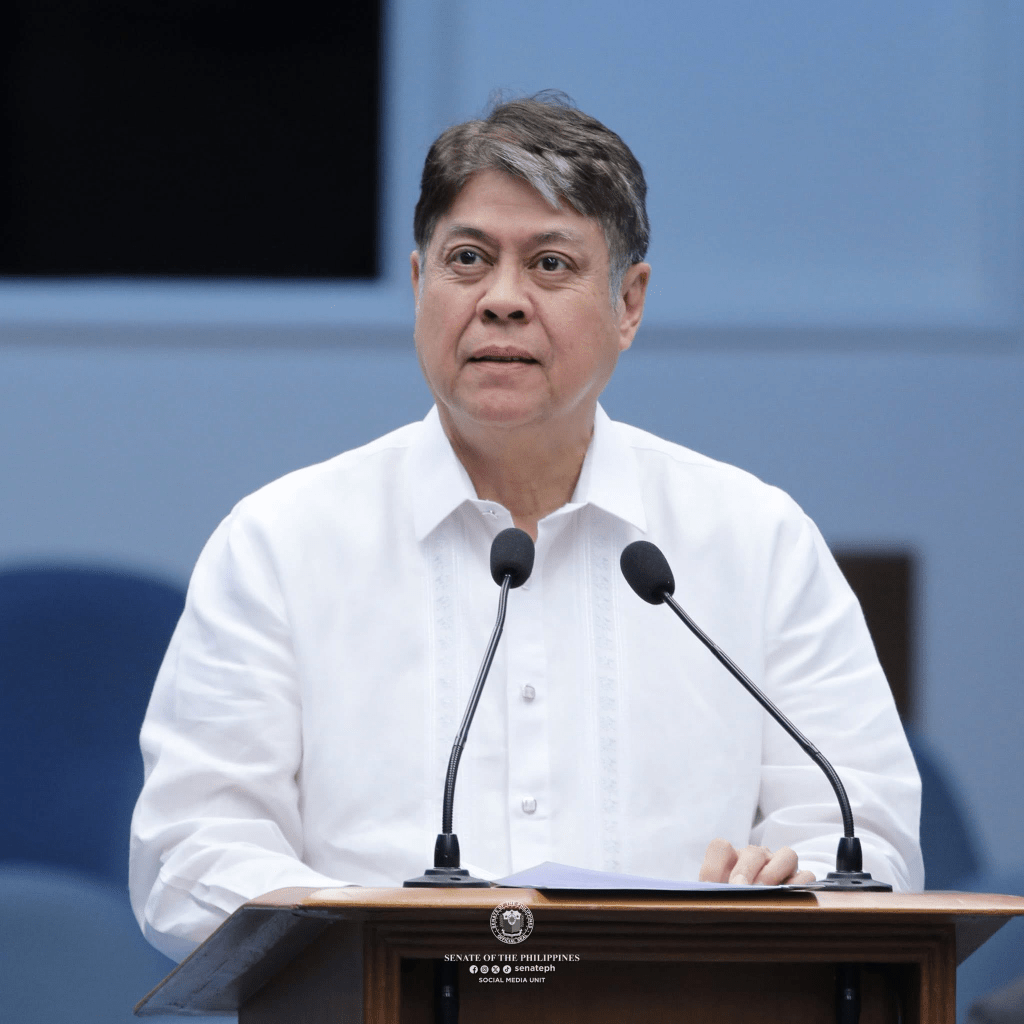
MANILA – Sen. Francis “Kiko” Pangilinan co-sponsored Senate Concurrent Resolution No. 8 seeking to adopt the National Education and Workforce Development Plan (2026–2035) as the 10-year policy framework of the national government, citing long-standing problems in the country’s education system.
Delivering his co-sponsorship speech at the Senate session hall, Pangilinan said the resolution is based on the findings and recommendations of the Second Congressional Commission on Education (EDCOM II) and reflects a collective acknowledgment of the state of Philippine education.
“Ang dokumentong ito ay kolektibong pag-amin na kumbaga’y naghihingalo na ang ating sistema ng edukasyon. At kailangan na nating kolektibong panindigan na ibangon at ayusin ito,” Pangilinan said.
He said EDCOM II confirmed persistent issues such as overcrowded classrooms, exhausted teachers and students advancing despite minimal learning.
“Kinukumpirma ng EDCOM II ang mga matagal nang problema ng ating sistema sa edukasyon: punong-puno ang mga classroom, pagod na pagod ang mga titser, at mga estudyanteng pumapasa kahit halos walang natutunan,” he said.
Pangilinan stressed that the resolution underscores the urgency of reform, warning of long-term consequences if learning gaps are left unaddressed.
“Kapag hindi nakakabasa ang batang nasa Grade 3 o hindi makagawa ng basic math ang nasa high school, sinusumpa natin sa pagkakakulelat ang ating mga anak at ng ating bansa,” he said.
He added that delays in reform would consign young Filipinos to poor job prospects and low wages, while neighboring countries move ahead.
“Bawat taon na pinatatagal ang reporma, sinusumpa natin ang ating mga kabataan sa isang kinabukasang mahirap ang trabaho (at) mababa ang sweldo o kita,” Pangilinan said.
According to Pangilinan, EDCOM II identified weak early learning foundations, insufficient support for teachers and a system that rewards compliance over actual learning outcomes.
“Ginagawang mandato ng EDCOM II ang mga ebidensya: mahihinang pundasyon sa mga unang taon ng ating mag-aaral, kulang-kulang na suporta sa ating mga guro, at isang sistemang ginagantimpalaan ang pagsunod sa (mga) alituntunin — hindi ang aktwal learning o pagkatuto,” he said.
He said adopting the resolution would signal accountability and a commitment to evidence-based reform.
“Sa ating pagpapatibay ng resolusyong ito, sinasabi natin: nakikinig tayo sa ebidensya, at tinatanggap natin ang responsibilidad sa pag-aayos ng sistema. Hindi lang sisihan,” Pangilinan said.
Pangilinan said the resolution establishes a long-term, time-bound roadmap that transcends political administrations and anchors reforms over a decade through approval by both chambers of Congress.
He noted that while the work of EDCOM II has concluded, implementation must follow through funding and legislation.
“Tapos na ang trabaho ng EDCOM II, umpisa na ang trabaho natin,” he said.
Pangilinan cited initial steps already underway, including increased investment in early childhood nutrition through school-based and supplemental feeding programs, accelerated responses to classroom backlogs via public-private partnerships and a classroom acceleration program, and raising education spending to four percent of gross domestic product.
He added that more reforms need to be institutionalized, including efforts to address corruption in the education bureaucracy.
“Pero tagos sa lahat ng mga mungkahing ito ang paglinis sa burukrasyang literal na ninanakaw ang pondong nakalaan para sa ating mga mag-aaral at mga guro,” Pangilinan said.
“Sa pamamagitan ng ating sama-samang pagkilos, walang problema na hindi natin maaaring lagpasan,” he added.





Leave a Reply