
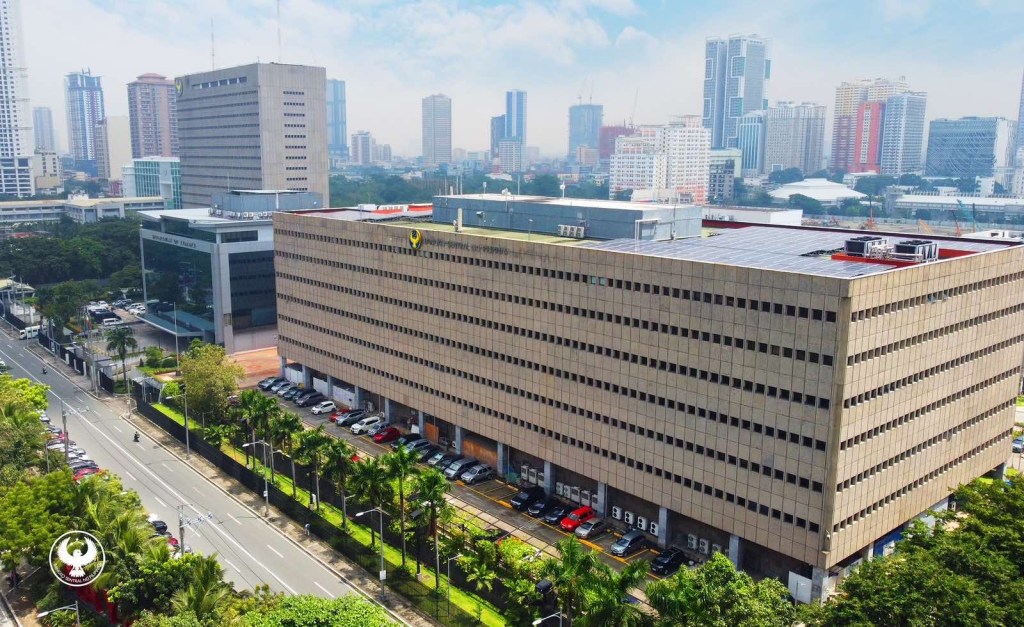
MANILA — The Bangko Sentral ng Pilipinas (BSP) has approved a set of regulatory relief measures for BSP-supervised financial institutions (BSFIs) and their clients in response to recent geopolitical developments in the Middle East.
In a statement, the central bank said the measures include allowing temporary grace periods of up to six months for loan payments of affected borrowers. Agricultural borrowers may also be granted payment deferments of up to one year, subject to assessment by banks.
The BSP added that loans of affected clients may be temporarily excluded from past due and non-performing loan classifications for up to one year, provided that institutions comply with notification and reporting requirements.
The relief measures were authorized under Monetary Board Resolution 296 dated April 8 and are intended to support continued lending and help borrowers recover from financial strain.
“BSFIs are expected to exercise prudent judgment in availing these measures and to ensure that relief is extended only to borrowers whose repayment capacity has been materially affected by the energy emergency,” the BSP said.
“The BSP emphasizes that the application for regulatory relief must remain targeted, proportionate, and consistent with safe and sound banking practices.”
The central bank also called on BSFIs to assist consumers and businesses during the national emergency by temporarily waiving fees and charges on digital financial services, including transactions through InstaPay and PESONet.
According to the BSP, reducing the cost of digital transactions could help limit the need for travel to physical banking locations and e-money service providers.
The relief measures follow the declaration of a state of national emergency by Ferdinand R. Marcos Jr. through Executive Order 110 on March 24, aimed at addressing potential fuel supply disruptions and stabilizing the country’s energy sector.
Under the order, Marcos cited tensions in the Middle East as a factor that could affect global oil production and transport, posing risks to the Philippines, which relies on imported petroleum products.


 Republika News
Leave a comment