
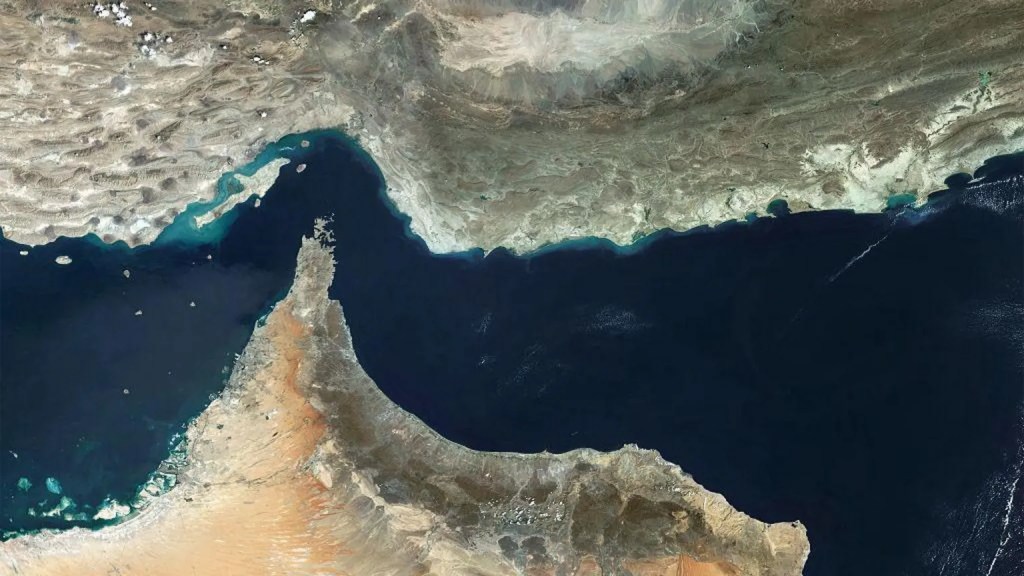
WASHINGTON/ISLAMABAD — Iran’s chief negotiator said recent discussions with the United States made progress but major gaps remain on nuclear issues and the Strait of Hormuz, as President Donald Trump also cited “very good conversations” while warning against what he called “blackmail” over the strategic waterway.
Both sides did not provide details of the negotiations held Saturday, just days before a fragile ceasefire in the US-Israeli conflict with Iran is set to expire.
The war, now in its eighth week, has resulted in thousands of deaths and expanded into Israeli strikes in Lebanon. It has also disrupted global oil flows due to reduced passage through the Strait of Hormuz, which traditionally carries about one-fifth of the world’s oil shipments.
Iranian chief negotiator Mohammad Baqer Qalibaf said talks showed limited progress.
“We have had progress but there is still a big distance between us,” Qalibaf told state media, adding that both sides continue to maintain “red lines” on key issues.
Trump, for his part, said Washington was holding “very good conversations” with Tehran but did not elaborate.
Tensions escalated further after Iran moved to reassert control over the Strait of Hormuz, again restricting passage through the critical shipping lane. Tehran said the move was in response to a US blockade of Iranian ports, which it described as a violation of ceasefire terms.
Iranian Supreme Leader Ayatollah Mojtaba Khamenei said the country’s navy was prepared to deliver “new bitter defeats” to its adversaries, while Trump described Iran’s actions as “blackmail” even as he praised ongoing talks.
Earlier, Iran had briefly reopened the strait following a separate US-brokered ceasefire agreement involving Israel and Lebanon.
Trump defended US actions and warned of further military strikes if a long-term agreement is not reached before the ceasefire deadline on Wednesday.
Iran’s Supreme National Security Council said Tehran’s control of the strait includes authority to impose charges for security, safety, and environmental services, according to state media reports.
Meanwhile, security concerns persisted after at least two vessels reported coming under attack while transiting the waterway on Saturday. India said it summoned Iran’s ambassador in New Delhi after two Indian-flagged ships were affected.
US Central Command said American forces were enforcing a maritime blockade but did not comment on the latest incidents.
The disruption has raised fears of continued instability in global energy supply chains. Oil prices fell about 10% on Friday, while global stocks rose on expectations of improved shipping access, though thousands of vessels and seafarers remain stranded in the Gulf awaiting passage.
In previous negotiations held last weekend in Islamabad, US officials reportedly proposed a 20-year suspension of Iran’s nuclear activities, while Iran countered with a three- to five-year proposal, according to sources familiar with the talks.
Iranian Deputy Foreign Minister Saeed Khatibzadeh said no date has been set for the next round of negotiations, stressing that a framework agreement must first be reached.
Trump earlier said talks could continue over the weekend and claimed both sides were “very close to making a deal.”
No new negotiations were confirmed as of Saturday, even as senior US national security officials met at the White House. Trump later traveled to his golf club with envoy Steve Witkoff, one of the lead negotiators.
The diplomatic push comes amid domestic political pressure in the United States, with rising fuel prices, inflation concerns, and upcoming midterm elections shaping the administration’s approach to the crisis. — Reuters


 Republika News
Leave a comment