
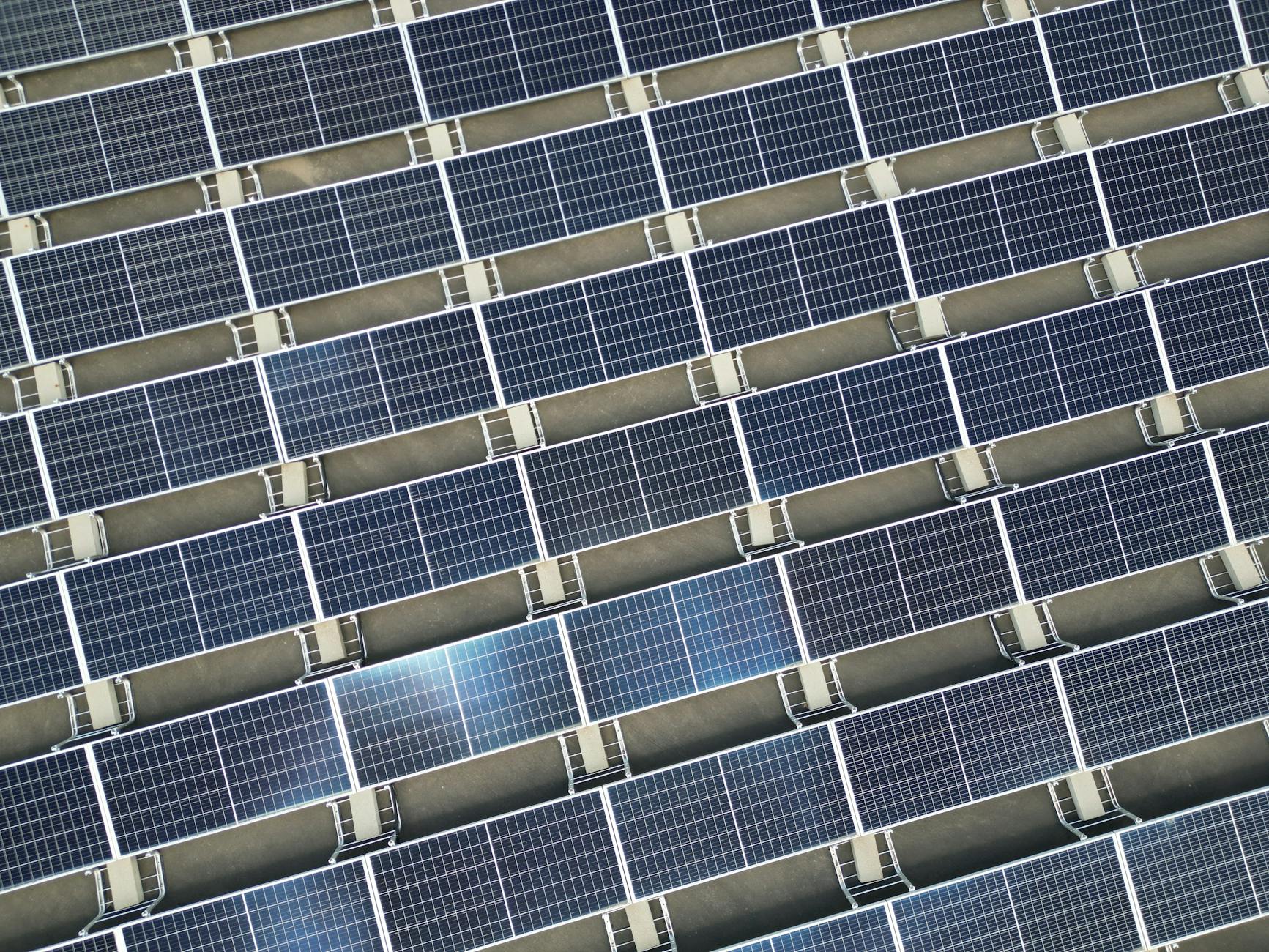
MANILA — Government offices should lead the shift toward renewable energy as lawmakers renewed calls for stronger clean energy policies, including mandatory solar adoption in public facilities.
During a Senate Committee on Energy hearing on Thursday, Sen. Pia Cayetano said the proposed measures come at a “critical time,” noting the country’s heavy reliance on fossil fuels.
She said about 80 percent of the Philippines’ power mix still comes from fossil fuels, exposing the country to global price fluctuations and supply disruptions.
“Renewable energy is no longer just an environmental goal. It is an energy security imperative,” Cayetano said.
The hearing discussed bills requiring renewable energy use in government facilities, as well as amendments to Republic Act No. 9513 or the Renewable Energy Act of 2008, particularly on improving net metering and permitting processes.
Cayetano said rising electricity prices have direct effects on households, especially those near the poverty line.
“Pag tumaas ang kuryente… paano mag-aaral ang mga bata? Paano makakapagtrabaho nang maayos ang magulang? (If electricity costs rise… how will children study? How can parents prepare properly for work?)” she said.
She added that expanding renewable energy supports global development goals on affordable energy, reduced inequality, and sustainable communities.
Sen. Rodante Marcoleta, principal author of Senate Bill No. 457, echoed the call for government agencies to take the lead in renewable energy adoption.
“It is no longer sufficient for us to encourage renewable energy adoption in the private sector while our own institutions remain dependent on traditional and imported fossil fuels,” Marcoleta said.
He said installing solar photovoltaic (PV) systems in government buildings would help reduce long-term costs and improve energy security.
“Hindi na po alternatibo ito. Ito ay isang pangangailangan (This is no longer an alternative. It is a necessity),” he added.
Implementation challenges remain
Data presented during the hearing showed that while renewable energy policies are in place, implementation continues to face funding and procurement challenges.
The Department of Energy (DOE) reported that 233 government entities have installed solar PV systems as of April 2026, with a total capacity of 18.82 megawatts, generating around 26.37 gigawatt-hours annually.
However, agencies still face high upfront costs and regulatory barriers. To address this, proposals were raised to institutionalize energy service performance contracting (ESPC), allowing private firms to finance installations and recover costs through energy savings.
The DOE also aims to reduce government energy consumption by at least 10 percent under its Government Energy Management Program, through solar installations and efficiency improvements.




 Republika News
Leave a comment