
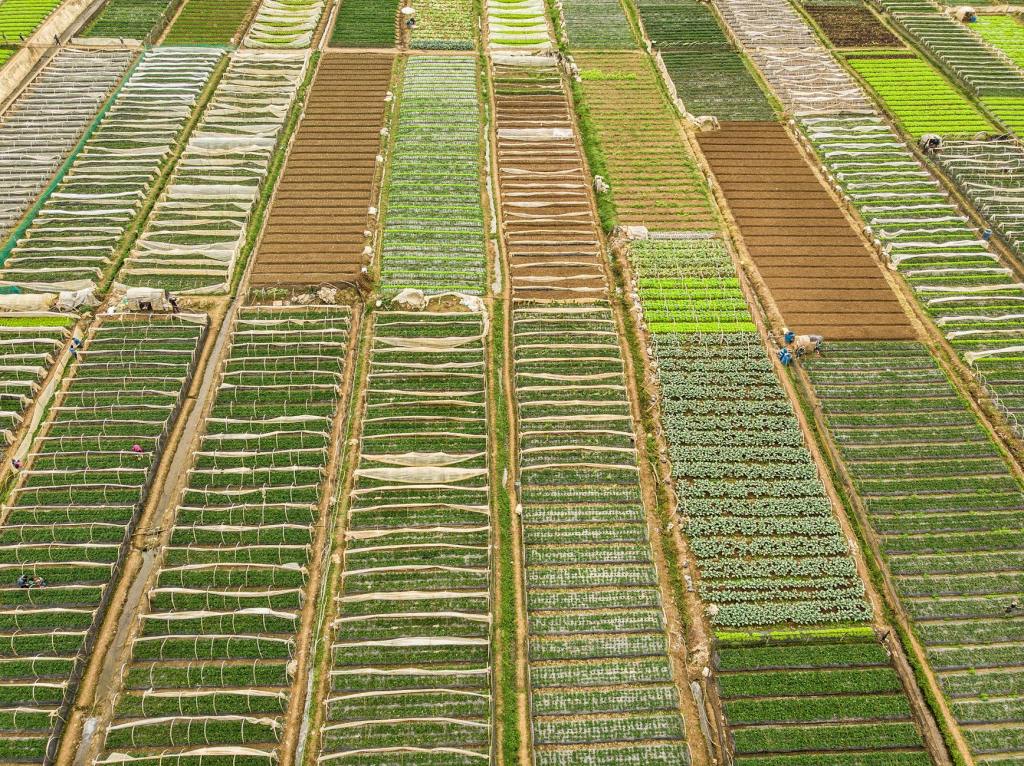
MANILA — The country’s agriculture sector is expected to recover in the coming months, with improvements in rice production and continued gains in livestock and poultry likely to offset a sluggish first quarter, Agriculture Secretary Francisco P. Tiu Laurel Jr. said.
“We are seeing encouraging signs on the ground, with rice production likely recovering in the second quarter as planting conditions normalize, palay prices improve, and government interventions take effect,” Tiu Laurel said. “At the same time, the continued strength of our livestock and poultry sectors is helping cushion overall output and providing stability to food supply.”
Data showed that agriculture and fisheries output declined by 0.3 percent in the first quarter of 2026, amounting to P437.52 billion at constant 2018 prices. The contraction was attributed to weaker performance in crops and fisheries, highlighting the sector’s exposure to weather-related disruptions and price swings.
Crop production, which makes up nearly 56 percent of total agricultural output, dropped by 2.4 percent to P243.62 billion. The decline was largely due to lower rice output, with palay production falling 6.26 percent to 4.4 million metric tons. The decrease was linked to the effects of typhoons in late 2025, damage to irrigation systems, and reduced planting due to lower farmgate prices prior to the government’s temporary rice import restrictions from September to December.
Fisheries production also posted a decline, with its value decreasing by 6.1 percent to P52.34 billion, indicating ongoing structural and environmental challenges in the subsector.
Despite these setbacks, other segments showed growth. Livestock output rose by 5.1 percent to P60.74 billion, with hog production increasing by 6.4 percent. Poultry production also expanded by 7.1 percent to P80.83 billion, driven by sustained demand for relatively affordable protein sources.
The agriculture sector contributes about 9 percent to the country’s gross domestic product and employs roughly 20 percent of the workforce. However, farmers and fisherfolk remain among the most economically vulnerable groups, while food prices continue to play a major role in overall inflation and economic conditions.
Tiu Laurel warned of possible challenges in the latter half of the year. “While we expect a stronger second quarter, the impact of higher oil prices on transport and inputs, particularly fertilizer, as well as the potential effects of an El Niño-induced drought, could weigh on production in the second half,” he said.
He added that the first quarter slowdown was due to temporary disruptions rather than a long-term decline, noting that continued government support and timely interventions could help sustain recovery while addressing emerging risks.
The department said a gradual rebound is expected, with improvements in crop production—especially rice—seen as critical to stabilizing farm incomes and consumer prices.



 Republika News
Leave a comment