
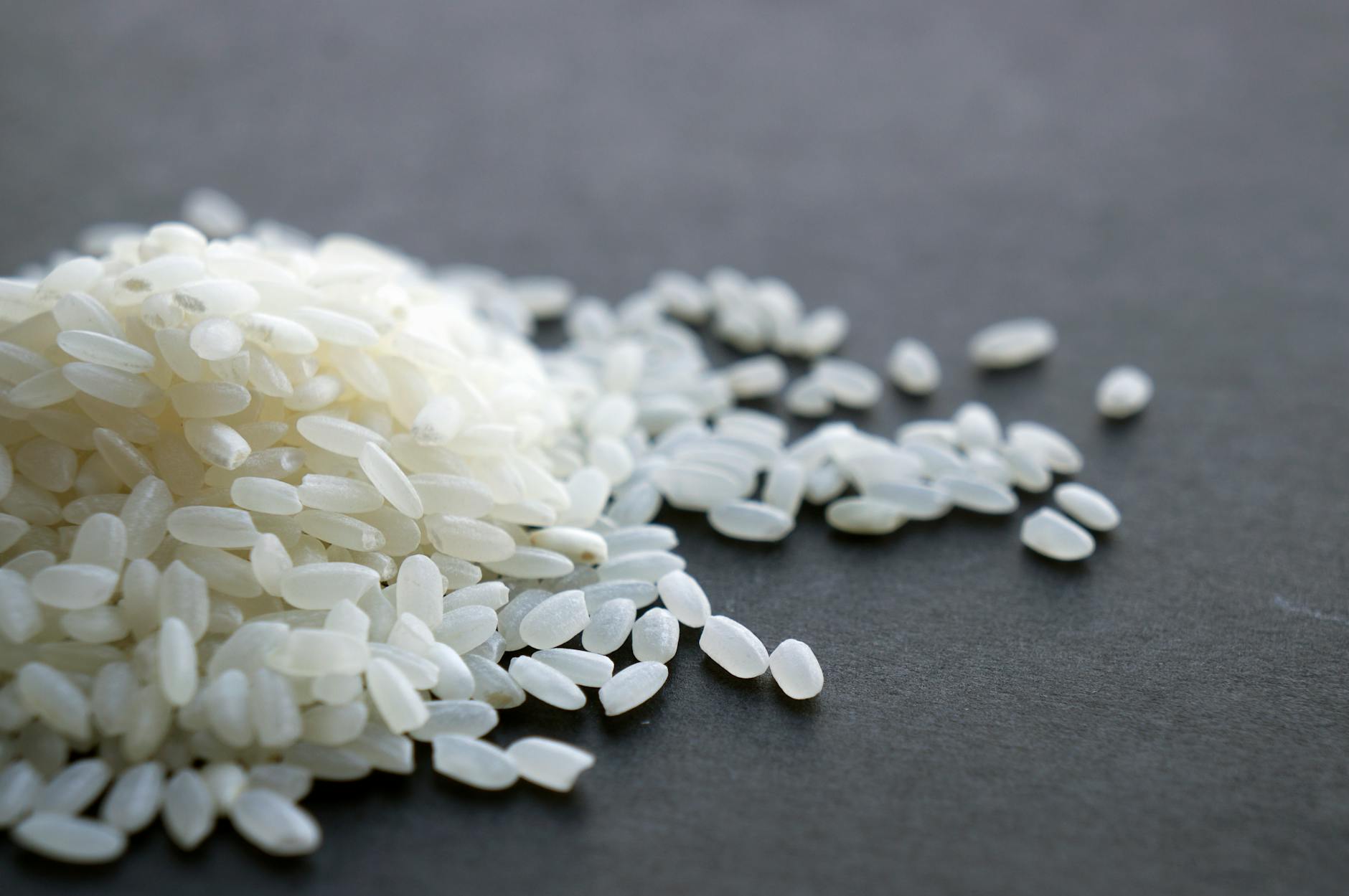
MANILA — Senator Francis “Kiko” Pangilinan called on government authorities to investigate alleged profiteering and hoarding amid a sharp increase in rice prices, as inflation in the staple food item surged to 13.7 percent in April 2026.
Pangilinan, chair of the Senate Committee on Agriculture, Food, and Agrarian Reform, expressed concern over the spike and said authorities should determine whether price manipulation is driving the increase.
“Nakakaalarma ang ganitong kataas na inflation rate at rice inflation rate dahil direkta ang epekto nito sa ating mga mamimili, mga mangingisda, at magsasaka. Isa na naman itong dagok sa araw-araw na kahirapan na dinadanas ng ating mga kababayan,” he said.
“Dapat tingnan maigi ng gobyerno kung paano at saan nagmula ang mataas ng rice inflation dahil sinabi mismo ng DA (Department of Agriculture) na meron tayong sapat na supply ng bigas hanggang Hunyo,” he added.
The senator said the 13.7 percent rice inflation rate may be artificial, noting earlier statements from the Department of Agriculture that the country has sufficient rice supply until June. He said possible price manipulation may violate the Anti-Economic Sabotage Act, the Consumer Act, and the Price Act.
National headline inflation climbed to 7.2 percent in April 2026, up from 4.1 percent in March, according to the Philippine Statistics Authority (PSA), marking a three-year high.
The PSA said the increase was driven largely by food and transport inflation, with food inflation reaching 6.1 percent from 2.7 percent the previous month. The food and non-alcoholic beverages index accounted for 31.9 percent of the total inflation increase.
Rice inflation surged to 13.7 percent in April from 3.5 percent in March, while corn inflation reached 21 percent, making them key contributors to the overall rise in prices.
Pangilinan also highlighted the impact of rising food prices on households and the agriculture sector, noting the strain on low-income families.
A Cavite resident, 50-year-old Crestita Edquila of Dasmariñas City, said rising prices have significantly affected her household budget.
“Sobrang taas (ng presyo). Nahihilo ako sa taas ng presyo,” she said. “Matagal na nating alam na mataas ang inflation.”
Edquila said that in 2023 to 2024, a P2,000 budget could cover a week’s worth of food for her family, but now a P3,500 budget is barely enough for the same period.
Pangilinan said strengthening local food production is key to addressing inflation and reducing dependence on imports, especially amid global disruptions linked to the Middle East conflict.
He also renewed calls for increased support for farmers through subsidies, access to affordable credit, and improved farm-to-market infrastructure. The senator said he is working with agencies to fully implement the Sagip Saka Act, which allows government procurement of agricultural products directly from farmers and fisherfolk without public bidding.
“Ang solusyon sa inflation ay hindi lamang nakadepende sa pagkontrol sa presyo ng pagkain at iba pang pangangailangan. Higit sa lahat, dapat natin palakasin ang lokal na produksyon ng pagkain at siguraduhin na may sapat na suporta para sa ating mga magsasaka at mangingisda na may pangunahing papel sa seguridad sa pagkain,” Pangilinan said.
He also urged stronger monitoring against hoarding and price manipulation, and called for a whole-of-government approach to address inflation and protect consumers.
Pangilinan is likewise pushing proposals to reform the agriculture sector, including the renationalization of agricultural extension services and the reestablishment of the Bureau of Agriculture Cooperatives.



 Republika News
Leave a comment