
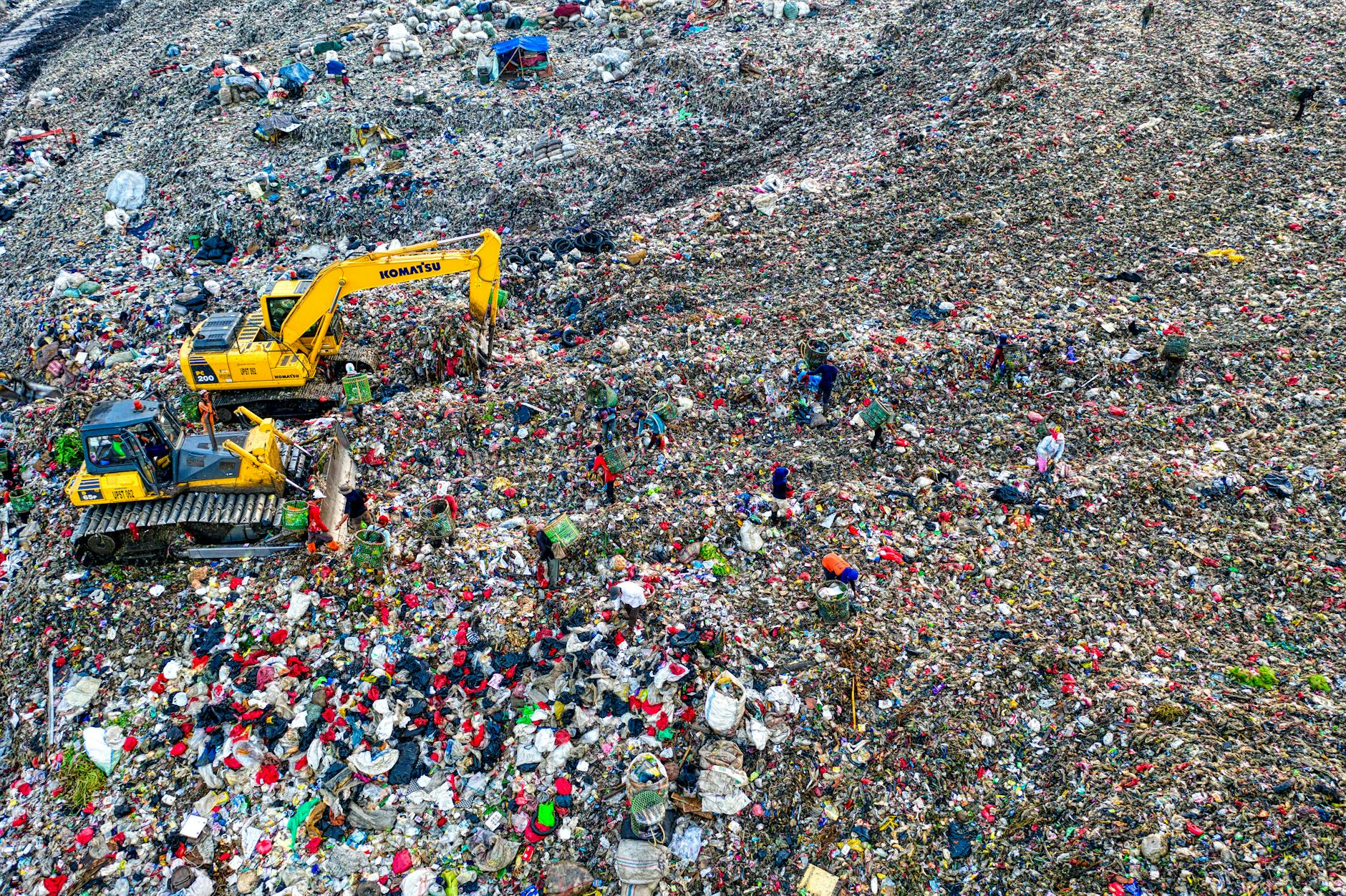
MANILA — The House of Representatives approved on third and final reading a measure that seeks to address the country’s worsening garbage problem and recurring flooding through the use of modern waste-to-energy (WTE) technologies.
House Bill No. 9157, or the proposed “Waste-to-Energy Act,” was approved with 255 affirmative votes, six negative votes, and three abstentions.
The proposed measure establishes a national framework for the development, regulation, and operation of facilities using waste-to-energy and other waste treatment technologies.
It aims to reduce waste buildup in waterways, drainage systems, and flood control structures that are often clogged with garbage during heavy rains and typhoons, while also cutting reliance on open dumpsites.
The bill also promotes the conversion of residual waste into usable heat, electricity, or fuel through environmentally compliant systems, offering what lawmakers described as a long-term, science-based solution to waste management and energy concerns.
Designated as a priority measure under the Legislative-Executive Development Advisory Council, the bill includes strict environmental and public health safeguards for the establishment and operation of WTE facilities.
Under the proposal, such facilities will serve as energy-producing plants integrated with solid waste management systems in line with Republic Act 9003 or the Ecological Solid Waste Management Act of 2000.
The measure requires continuous emissions monitoring systems approved by the Department of Environment and Natural Resources (DENR) and mandates compliance with major environmental laws, including the Clean Air Act, Renewable Energy Act, and the Toxic Substances and Hazardous and Nuclear Wastes Control Act.
It also requires proper treatment and disposal of residues generated by WTE facilities and directs operators to use best available technologies for pollution prevention and emissions control.
Several agencies—including the Department of Energy, DENR, Department of Health, Department of the Interior and Local Government, Department of Public Works and Highways, and the Energy Regulatory Commission—are tasked to craft policies and standards for WTE facilities.
The bill also encourages local government units to form clusters for the establishment of shared WTE facilities to improve efficiency and reduce costs.
It likewise provides fiscal and non-fiscal incentives for qualified projects, including pioneer WTE initiatives that meet strict environmental and operational standards.
However, the measure prohibits the use of imported municipal solid waste as feedstock and imposes penalties such as fines, imprisonment, and license revocation for violations.
House Majority Leader Ferdinand Alexander Marcos Jr. said the bill balances environmental protection, public health, and the country’s need for sustainable energy.
“This is not simply an energy measure or a waste management proposal. It is a national development measure that will help build cleaner, safer, and more resilient communities for future generations,” Marcos said.


 Republika News
Leave a comment