
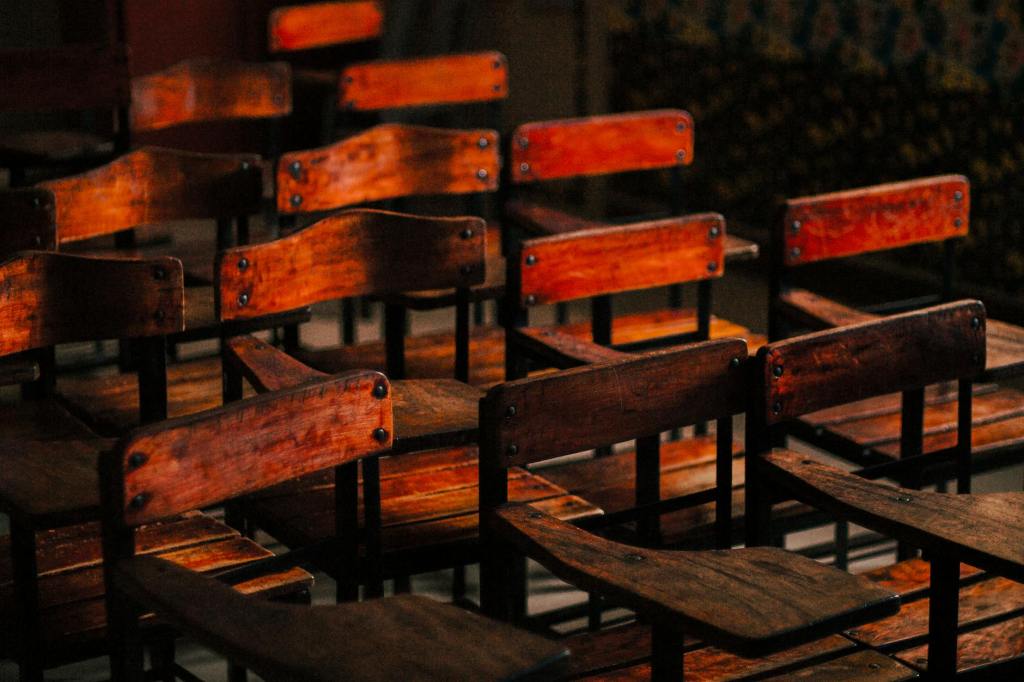
MANILA — The Second Congressional Commission on Education (EDCOM 2) has reported that smaller class sizes under the Academic Recovery and Accessible Learning (ARAL) Summer Program have helped improve learning conditions, even as students continue to raise concerns over bullying, overcrowding, and poor school infrastructure.
EDCOM 2 held a focus group discussion last Thursday, May 28, with Junior High School students of President Corazon C. Aquino High School in Port Area, Manila City to assess the implementation of the ARAL Summer Program and gather student feedback for policy recommendations.
Students from Grades 8 to 10 described a school environment during regular classes marked by overcrowding and frequent bullying incidents, which they said contributed to feelings of insecurity on campus.
“Una, magulo. Makukulit. Maingay. Minsan may mga nambubully o nanununtok, nang-aagaw ng bag, nananago ng ballpen,” students said.
They also reported being subjected to gender-based teasing and ridicule when making mistakes while reading aloud in class.
In some cases, students said bullying escalated to physical violence and intimidation, leading others to miss school due to fear.
“Naranasan na po ang mapagtulungan sa loob ng classroom. Pinagsasapak po ako,” one student said.
Another student shared, “Hindi ako nakapasok ng tatlong araw… yung dahilan na yung aabangan ako.”
A learner also said, “Wala po [safety] talaga dito sa school, at mas malala pa pag lumabas na [ng school].”
Students added that even classroom participation can result in humiliation. “Yung pumasok po kami para matuto hindi mapahiya,” one student said.
They also raised concerns about cyberbullying, including the posting of stolen videos or photos of students in restrooms on social media.
Students said they were reluctant to report incidents, citing fear of retaliation and ineffective intervention from teachers and the school’s lone guidance counselor.
“Kahit pinapagalitan ni teacher hindi tumatalab, hindi nagbabago yung classmate mas lalong nagagalit yung classmate. Tsaka pong mas lalo lumalaki [ang gulo],” a student said.
Despite these concerns, students said ARAL Summer Program classes, which are limited to a maximum of 10 learners per class, provide a significantly safer and more conducive learning environment compared to regular classes that can reach up to 60 students.
They said the smaller class size allows them to focus better and participate more freely without fear of ridicule.
Students also raised infrastructure-related issues, including overcrowded classrooms, poor ventilation, and extreme heat, which they said affects concentration and learning performance. Some classes reportedly begin as early as 5:30 a.m. due to congestion in school facilities.
EDCOM 2 Executive Director Karol Mark Yee said the findings show that student learning challenges are not only academic in nature but also linked to safety concerns within schools.
“The experience of the students in Baseco, Tondo, teaches us that our students are struggling not simply due to academic challenges, but because of various factors, including bullying,” Yee said.
“This tells us that as we continue refining the ARAL Program, we must bear in mind not only instilling academic rigor, but also supporting our students so they feel safe, psychologically and physically, in school.”
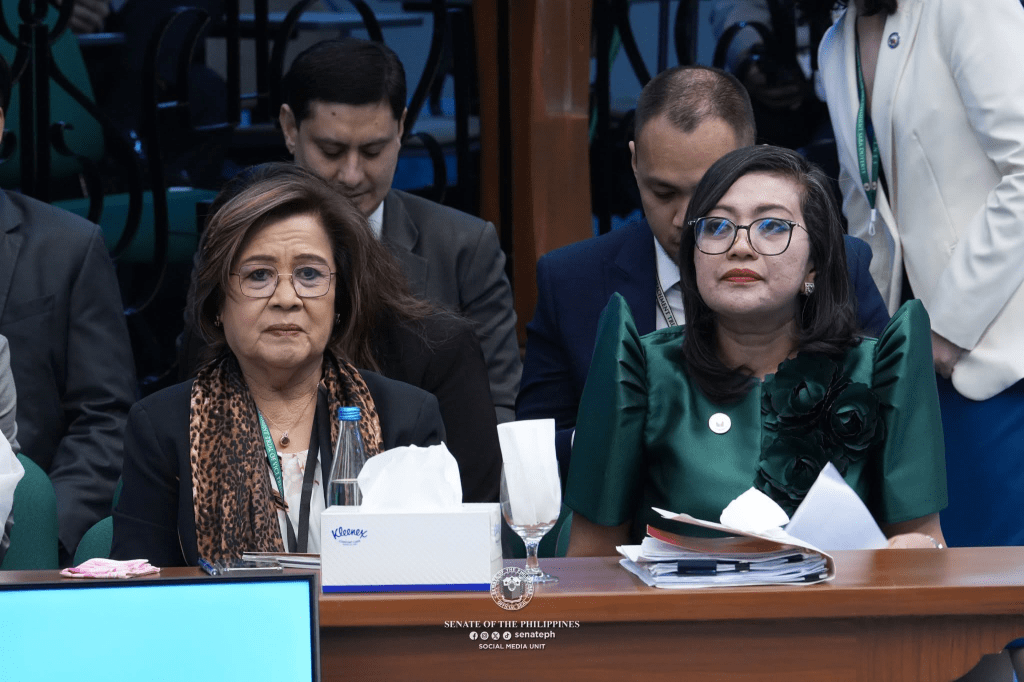
Dr. Therese Bustos, former dean of the UP College of Education and EDCOM Standing Committee member, said teachers should be equipped with strategies to reduce stigma around learning difficulties, including individualized support for struggling learners.


 Republika News
Leave a comment