
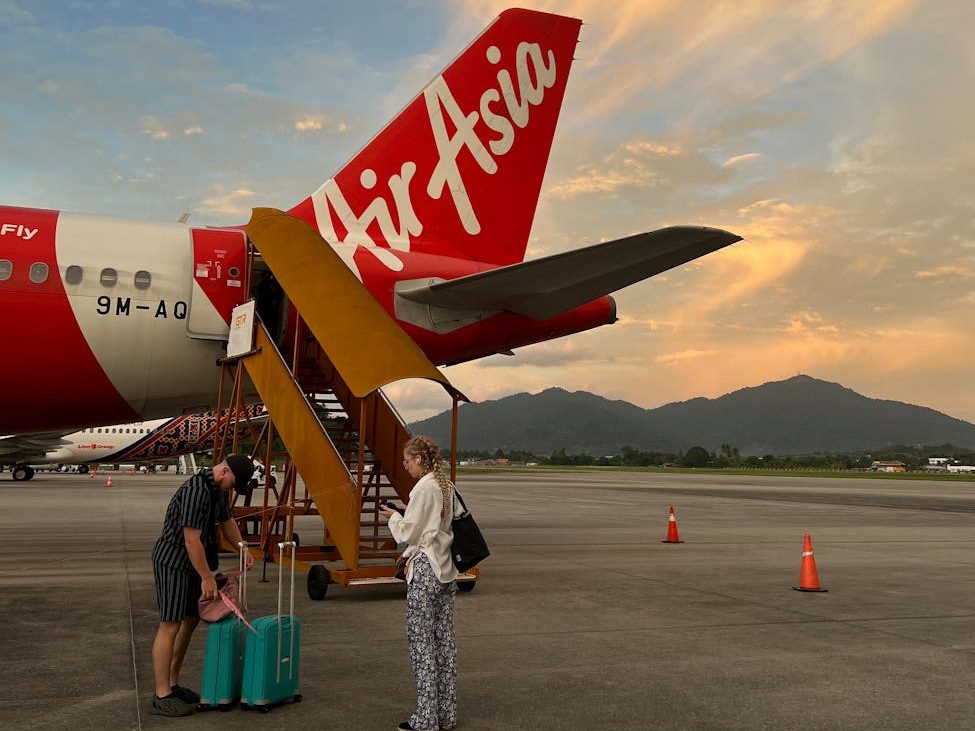
MANILA — The Civil Aviation Authority of the Philippines (CAAP) confirmed that AirAsia Philippines has complied with its directive to settle financial obligations within the day, subject to standard reconciliation procedures.
CAAP had earlier given the airline until June 6 to settle its outstanding dues.
“CAAP acknowledges and appreciates the airline’s cooperation and its commitment to addressing its obligations through constructive engagement and coordination with the Authority,” it said in a statement.
The aviation regulator said on Wednesday night that settling the obligations remains the most practical and preferred option, citing the potential impact of operational disruptions.
“Any interruption in airline operations carries significant consequences, including economic impacts, potential employment displacement, and disruption to passenger and cargo services,” it said.
The clarification came after reports claimed that CAAP had ordered AirAsia Philippines to suspend operations in all government-managed airports due to more than PHP270 million in unpaid fees.
The reports also said that a June 2 cease-and-desist order allegedly directed the airline to stop operating within CAAP’s jurisdiction within three days of receipt of the notice.
However, the AirAsia Group denied the reports, calling them “entirely false and do not reflect the reality of the business or operations of the airline.”
“AirAsia Group views these coordinated and sensationalized reports as part of a deliberate smear campaign that has long been occurring, aimed at undermining fair competition in the Philippine aviation sector,” it said.
AirAsia Group advisor and co-founder Tony Fernandes said the airline remains strongly invested in the Philippine market, noting its annual passenger volume of nearly seven million in the country.
“Looking ahead, we are incredibly invested in the development of new airport infrastructure across the country, including in Ninoy Aquino International Airport and Mactan-Cebu International Airport, which will unlock greater opportunities for growth, improve connectivity, enhance operational efficiency, and enable us to lower costs even further,” Fernandes said.
He added that the group plans to expand its domestic fleet to support network growth and offer more competitive fares in the Philippines.



 Republika News
Leave a comment