
MANILA — The Department of Agriculture (DA) expressed optimism that the expected reopening of the Strait of Hormuz will help reduce agricultural production and transport costs in the Philippines.
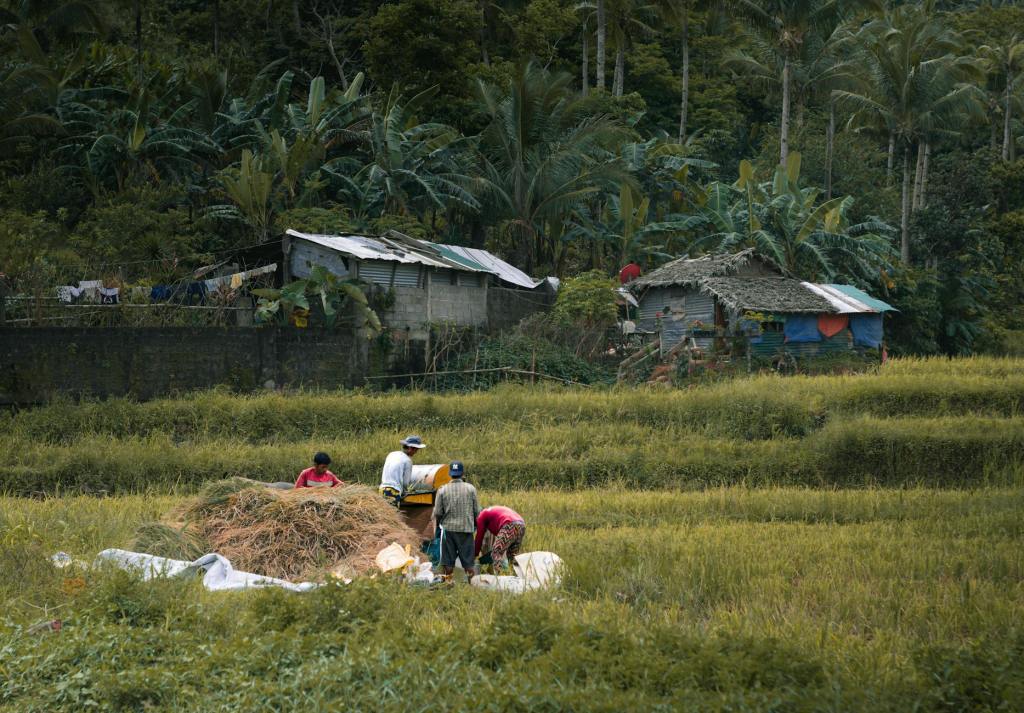
Agriculture Secretary Francisco Tiu Laurel Jr. said the peace agreement between the United States and Iran comes at a crucial time as the country prepares for the palay (unhusked rice) planting season.
“The reopening of the Strait of Hormuz will greatly help reduce the cost of inputs in the production and transport of agricultural commodities, especially now as we prepare for a new rice planting season,” he said.
With the expected reopening of the key maritime route, the government said a worst-case scenario involving prolonged disruption to local palay production has been avoided.
The Strait of Hormuz had been closed for more than 100 days, contributing to global increases in fuel, fertilizer, and freight costs.
Tiu Laurel said the removal of the external risk will allow the agriculture sector to focus on domestic concerns, including preparations for the next planting cycle and food supply security.
“The expected cost reduction will be one concern less and will allow us to focus on El Niño,” he said.
He added that the reopening of the waterway will also help restore a major trade route between the Philippines and the Middle East, supporting agricultural and food exports.
Philippine exports to the Middle East include fresh pineapples and Cavendish bananas, as well as processed goods such as canned tuna, sardines, coconut products, and snack foods.

 Republika News
Leave a comment