
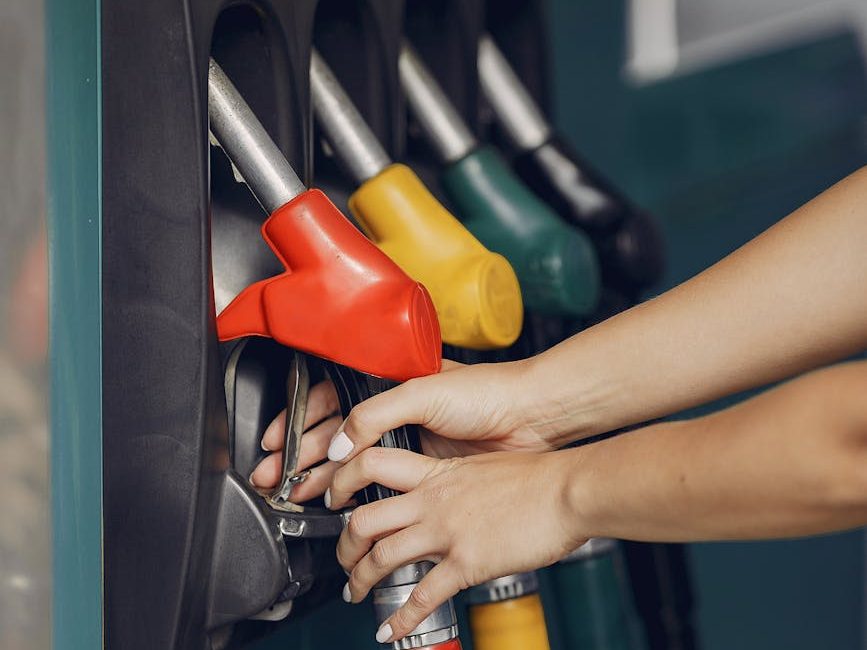
MANILA — Officials of the Department of Energy (DOE) are expressing optimism that fuel prices may continue to decline as an initial peace agreement between the United States and Iran is expected to be signed later this week.
Latest data from the DOE showed that diesel prices this week are projected to go down by PHP3.71 to PHP5.71 per liter, while kerosene may decrease by PHP0.50 to PHP2.50 per liter. Gasoline prices, however, are seen to either drop by PHP0.32 per liter or increase by as much as PHP1.68 per liter.
In separate advisories, oil firms announced their respective price adjustments. Jetti Petroleum said it will cut diesel prices by PHP3.80 per liter but increase gasoline prices by PHP1.60 per liter, effective 2 p.m. on Tuesday, June 16.
Seaoil, meanwhile, said it will roll back diesel prices by PHP3.71 per liter and kerosene by PHP0.50 per liter, while raising gasoline prices by PHP1.68 per liter starting 6 a.m. on the same day.
“We hope that this continues especially with the news from the progressing talks among the countries involved in the current Middle East war,” Energy Secretary Sharon Garin said in an online briefing Monday.
“Hopefully, they can conclude on their agreements and hope that we can see on Friday the process of the parties’ final decision,” she said.
During the briefing, DOE Undersecretary Sandy Sales said fuel prices have already dropped to around the PHP80 per liter level from more than PHP120 per liter after the Middle East crisis began.
He said further reductions are still possible but may take six months to a year due to damage in oil storage and production facilities in the Middle East.
He added that the recent downward movement in pump prices reflects market anticipation of the outcome of the US-Iran peace deal.
“In terms of eventually, hopefully within the week, the agreement is signed what will happen to our pump prices? There’s space for it to come down as well but it does not go down to pre-war level. Not immediately, probably. We need another six to 12 months. It’s really just an issue of restarting the supply that was disrupted by the war,” he added. (PNA)


 Republika News
Leave a comment