
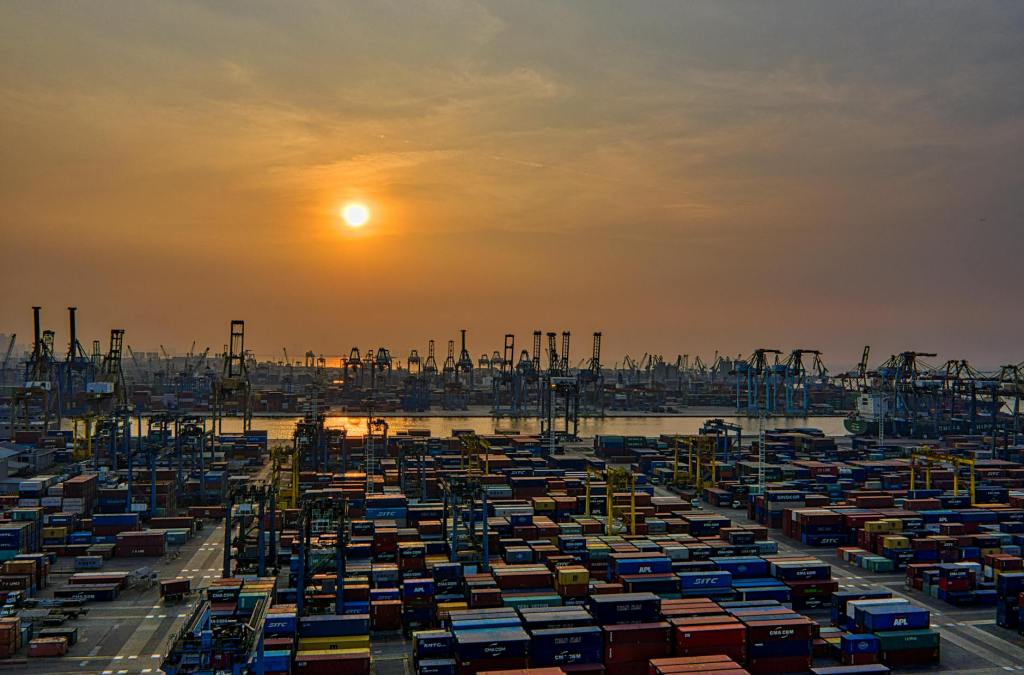
MANILA — A business group executive said that the full implementation of the government’s industrial policy measures could help strengthen the Philippine economy amid the expected reopening of the Strait of Hormuz following a reported interim agreement between the United States and Iran.
The interim deal, which is scheduled to be signed later this week, is said to include the reopening of the Strait of Hormuz—considered one of the world’s most critical oil shipping routes.
Federation of Philippine Industries (FPI) chairperson Elizabeth Lee described the agreement as “cautiously good news,” saying it provides “breathing room” for the Philippines.
She noted that during the height of the Middle East crisis, domestic fuel prices rose above PHP100 per liter while the Philippine peso weakened to the 61-level against the U.S. dollar.
In response to earlier global economic pressures, Malacañang declared a State of National Energy Emergency to speed up programs aimed at cushioning the impact on the domestic economy.
“With global oil prices now falling after the peace deal, the pressure that cascaded through logistics, cold chain, and transport will start to unwind,” Lee said.
While she said the effects will not be immediate, Lee noted that the overall direction remains positive.
“Diesel linked costs will soften gradually, giving manufacturers room to rebuild margins, stabilize production schedules, and restore predictability,” she said.
Lee also stressed the importance of fully implementing key economic measures, including the Tatak Pinoy Act, which aims to strengthen local production of competitive goods and services, and Republic Act (RA) 12066 or the CREATE MORE Act, which amended the CREATE law to improve the country’s investment incentives framework.
According to her, these policies are expected to boost investor confidence and attract more foreign direct investments.
“The peace deal resets the global backdrop; our job is to reset the Philippine investment story,” she said. (PNA)
 Republika News
Leave a comment