
MANILA – The Investment Coordination Committee–Cabinet Committee (ICC-CC) has approved the Light Rail Transit (LRT)-1 South Extension Common Station and three other public investment projects, the Department of Finance (DOF) said.
Also cleared by the ICC-CC were the Technical Education and Skills Development Authority’s Boosting Employability in Strategic TVET Sectors (BEST) project, the Philippine Geothermal Resource Derisking Facility (PGRDF), and the Philippine Seismic Risk Reduction and Resilience Project (PSRRRP).
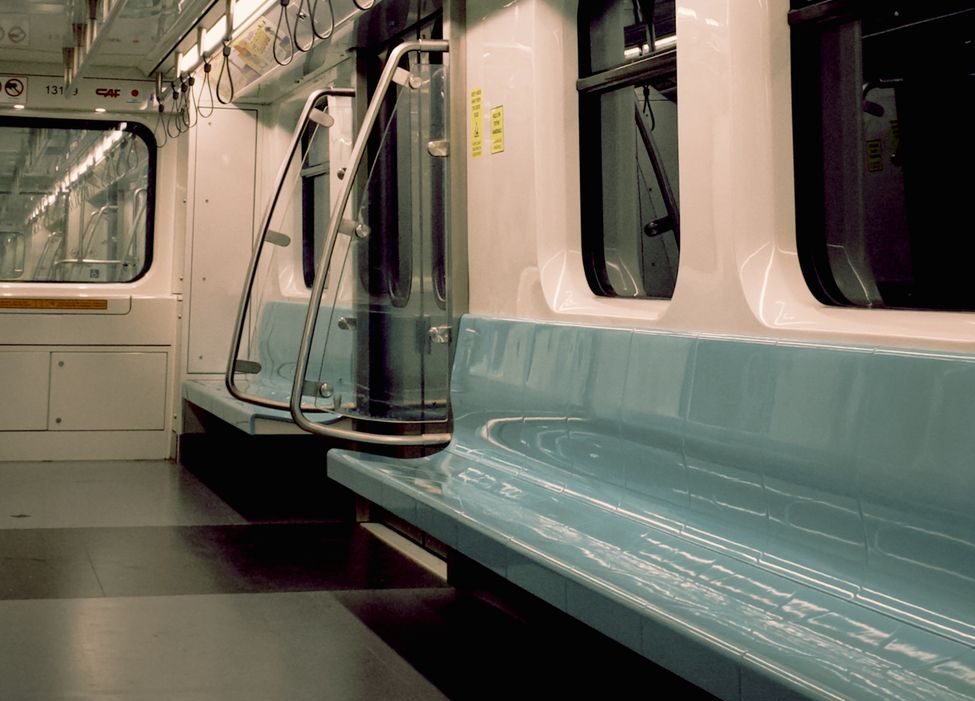
The approval of the LRT-1 Common Station paves the way for the construction of the Unified Grand Central Station along North Avenue in Quezon City. The integrated transport hub will connect LRT-1, Metro Rail Transit (MRT)-3, the future MRT-7, and the Metro Manila Subway.
“Rail projects give people back their time. A seamless connection between LRT-1, MRT-3, MRT-7, and the Subway means shorter commutes, more hours with family, and workers who can reach more opportunities across the city. The ICC process exists to make sure every project we endorse delivers real outcomes for Filipinos,” Finance Secretary and ICC-CC Chair Frederick Go said.
According to the DOF, the BEST project seeks to expand access to quality, industry-aligned technical and vocational education and training in high-demand sectors such as manufacturing, construction, information and communication technology, and agri-fishery.
The project aims to equip more Filipinos with skills needed by industries to improve employment opportunities and incomes while strengthening the country’s workforce to support industrial growth, innovation, and competitiveness.
Meanwhile, the Philippine Geothermal Resource Derisking Facility is designed to reduce the financial risks associated with early-stage geothermal exploration. The facility will be funded through a sovereign loan from the Asian Development Bank and implemented by the Land Bank of the Philippines.
The DOF said the project is expected to attract more investments in geothermal development, strengthen the country’s energy security, and help provide cleaner, more reliable, and more affordable electricity.
The Philippine Seismic Risk Reduction and Resilience Project, on the other hand, will focus on retrofitting school buildings in Metro Manila against earthquakes while enhancing the Department of Public Works and Highways’ capability to respond quickly to disasters.
The project also aims to improve the country’s preparedness for major earthquakes and ensure schools remain safe and operational during and after seismic events.
The four projects will be submitted to the Economy and Development Council, chaired by President Ferdinand R. Marcos Jr., for final approval.
According to the DOF, the projects support the Marcos administration’s objective of building a more connected, competitive, resilient, and inclusive economy.



Leave a comment