
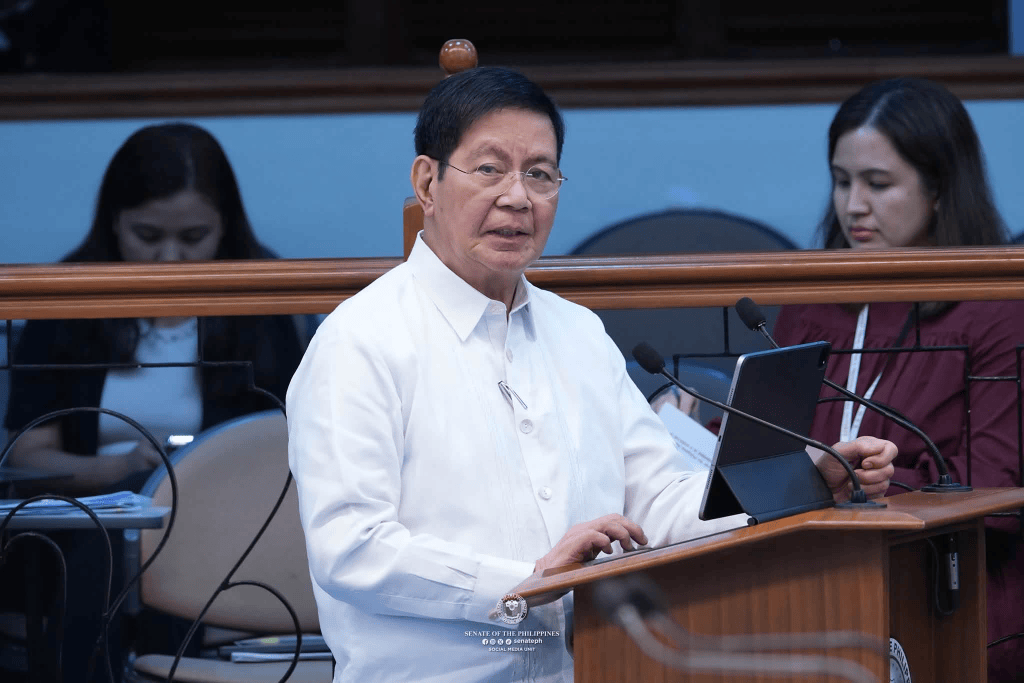
MANILA – Sen. Panfilo “Ping” Lacson is proposing the use of the Philippine Identification System (PhilSys) or National ID as the primary means of verifying the age of Filipinos seeking access to social media platforms.
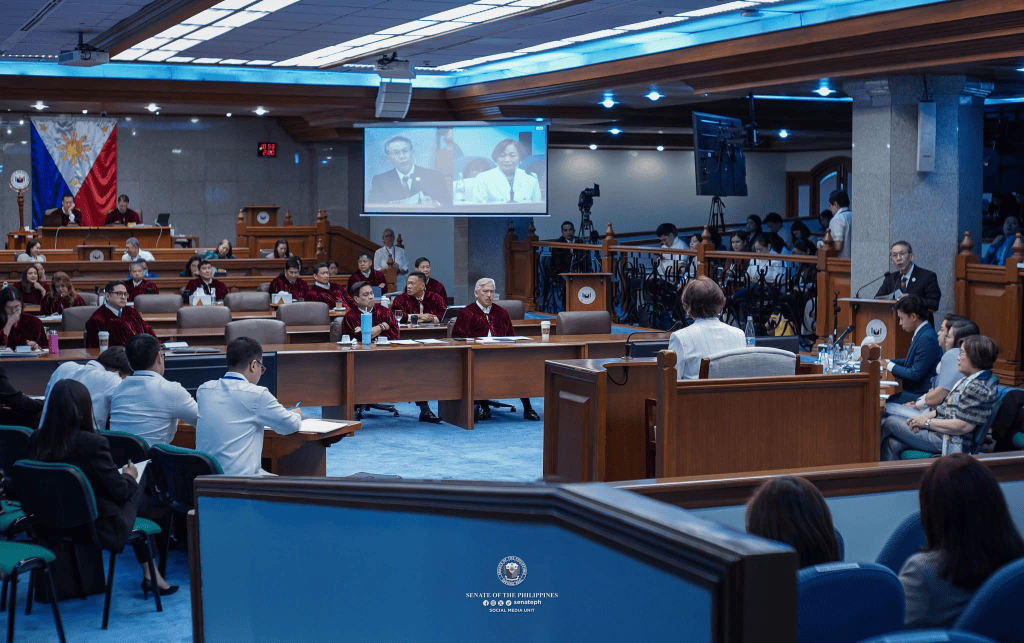
Lacson made the proposal Monday during his interpellation of Senate Bill 2424, or the proposed Child Online Safety and Protection Act, sponsored by Sen. Robinhood Padilla.
He said requiring a documented identification system would simplify the proposed measure and minimize technicalities and loopholes in determining whether users meet its age requirements.
“I-simplify natin (at) gamitin natin ang National ID… Ang panukala ko, pagdating sa period of amendments, gawin nating must ang basis, gawin natin ang National ID o ano ang backup ID na pwedeng gamitin para documented (Let us simplify the process and use the National ID. During the period of amendments, I will propose that we use the National ID or a backup ID be made a required and documented basis for access to social media platforms),” Lacson said.
He said social media platforms could still adopt other age-verification methods, but the National ID should remain the principal requirement.
“Kung baligtarin natin ang batayan, gawing pangunahing batayan ang National ID at kung gusto ng socmed platforms ibang batayan, nasa kanila. Pero ang pangunahin (dapat ang National ID kasi) bawat Pilipino at birth meron na. Mas accurate yan at kinikilala ng ating batas (We should reverse the order of priority and make the National ID the primary basis, while allowing social media platforms to use other methods as they see fit. But the National ID should come first because every Filipino is assigned a National ID number at birth. It is more accurate and recognized under Philippine law),” he said.
Lacson also sponsored the measure that became Republic Act 11055, or the PhilSys Act, which established a unified national identification system for Filipino citizens and resident aliens.
“Sa akin, okay ibang batayan pero gawin nating pangunahing batayan at must submit ang National ID natin (I am okay with other methods, but the National ID should be the primary basis and its submission should be required),” Lacson said.
Lacson questions age-verification methods
Under SB 2424, users below 16 years old would be prohibited from registering on social media platforms, while those aged 16 to below 18 would be allowed access subject to age-assurance requirements and child-safety protocols.
Lacson raised concerns over provisions that could allow users to establish their age through self-declaration, third-party age assessment or artificial intelligence-based age estimation.
He said giving platforms discretion over which methods to use could create loopholes and make the law harder to enforce.
“Pag naglatag tayo ng discretion maglilikha tayo ng butas… upang paikutan ang pagpapatupad ng batas na ito (If we allow discretion, we will allow loopholes that could be used to circumvent the implementation of this law),” he said.
Lacson also cited Philippine Statistics Authority data indicating that National ID registration has covered about 96 percent of the population and continues to expand.
He further suggested keeping the prohibition on unsupervised social media access throughout the entire period of minority, including ages 16 and 17.
Lacson proposed using the two senior high school years to provide structured social media and digital literacy education before young people gain unrestricted access at 18.
“Hindi ba mas coherent to maintain the restriction throughout the age of minority and use the two SHS years for structured social media and digital literacy education so they understand the risks of social media before gaining unrestricted access at 18 (Would it not be more coherent to maintain the restriction throughout the age of minority and use the SHS years, 16 to 17, for structured social media and literacy education so they understand the risks of social media before gaining unrestricted access at 18)?” he said.
He added that Filipinos below 18 should not be allowed to use online platforms without proper supervision at home and in schools.
“Alisin natin ang age restricted, pagbawalan natin ang access na walang supervision (Instead of age restriction, we should remove unsupervised access),” he said.
Lacson seeks stronger DICT role
Lacson also proposed giving the Department of Information and Communications Technology (DICT) a more active role in enforcing the measure, including quasi-judicial authority to determine liability and impose administrative penalties on violators.
Padilla expressed support for Lacson’s proposed changes.
“Napakaganda ng inyong minumungkahi (Your suggestions are very good),” he said.


 Republika News
Leave a comment