
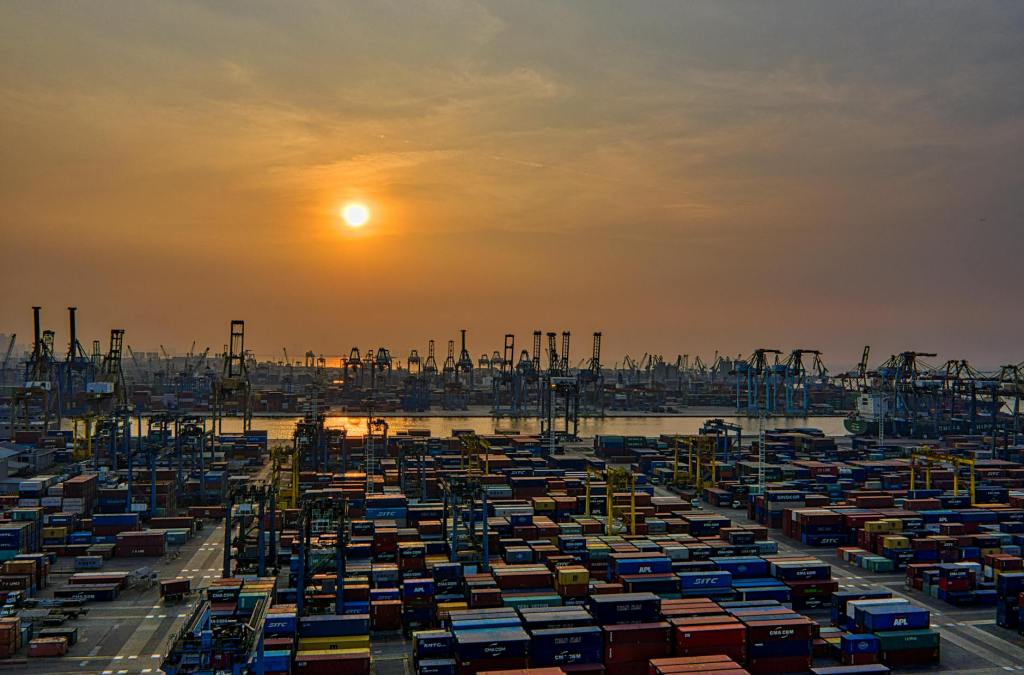
MANILA— Sen. Risa Hontiveros raised concerns over delays in the logistics industry, warning that disruptions in the movement of goods could further increase prices and weigh on economic growth.
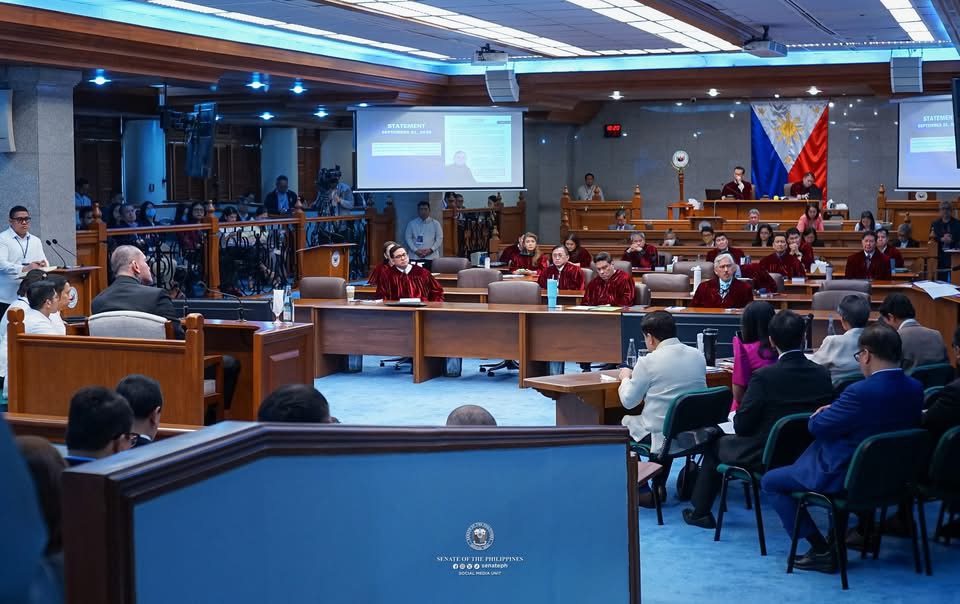
In a privilege speech, Hontiveros said the economy was facing multiple challenges, including slower growth, higher inflation and disruptions linked to the global oil crisis.
“Sabay-sabay na hinaharap ng ating ekonomiya ang mga krisis sa loob at labas ng bansa. Bumagal sa two percent ang paglago ng ekonomiya nitong 2nd quarter.”
She said prolonged delays involving vessels at the Strait of Hormuz had contributed to higher prices of fuel, electricity and food, raising concerns about the combination of slowing growth and inflation.
“When slowing economic growth is compounded by rising inflation, we could get the worst of both worlds: stagflation.”
Hontiveros said the logistics sector was adding to the economic pressures, particularly because of delays experienced by truck drivers in returning empty containers to shipping lines’ container yards.
She cited Philippine Ports Authority data indicating that cargo continued to move out of ports, but said truck drivers were reporting waiting times of one to three weeks before empty containers could be returned.
The situation has been described within the industry as a “severe truck deadlock” due to limited space for empty containers, she said.
Some importers, meanwhile, were choosing to leave their goods in container yards because renting their own warehouses could cost more than paying penalties, according to Hontiveros.
She said the problem therefore extended beyond port operations, with policies and capacity constraints potentially adding to the cost and delay in moving goods.
Hontiveros also cited concerns raised by truckers and customs brokers during a public consultation on September 23, including calls to support a transport strike amid rising fuel prices. A voluntary work stoppage was also scheduled for October 5, she said.
She said meat importers had reported additional costs of as much as P50,000 per container because of delays, equivalent to around P2 to P5 per kilogram of meat.
Hontiveros added that some importers were reducing their orders because of the higher costs and difficulties involved in bringing products into the country, potentially resulting in lower supplies in the market.
She also cited figures discussed during the latest RISE Special Committee hearing, saying inflation had risen from 2.4% in February to 6.1% in August, while economic growth slowed to 2.3% in the second quarter.
Hontiveros said the Philippines was also growing more slowly than Vietnam, Singapore, Malaysia and Indonesia, and called for an examination of where logistics delays were occurring, their economic impact and which parties were responsible for addressing them.
“Hindi sapat na sabihing maayos ang operasyon ng ating mga pantalan kung ang mga trucker ay naghihintay pa rin ng ilang linggo.”
Hontiveros cited the 2014 Manila truck ban as an earlier example of the economic consequences of logistics disruptions. She said the seven-month ban was estimated to have resulted in P43.85 billion in lost income and additional costs to the economy.
She said the effects extended beyond truckers to factories, businesses and workers dependent on the movement of goods.
“Clearly, this is not simply a logistics problem. Mas malawak na usaping pang-ekonomiya ang nais nating suriin.”
Hontiveros said rising fuel, trucking, port and shipping costs combined with slower movement of goods could affect food, manufacturing, construction, retail and agriculture.
With Christmas approaching, she also pointed to delays affecting balikbayan boxes and the movement of agricultural and fishery products from producers to markets.
She called for shipping lines, truckers, brokers, importers and government agencies to coordinate on a clear plan with specific timelines to address the bottlenecks.
Hontiveros said reducing unnecessary logistics costs and removing obstacles to the movement of goods should form part of the country’s industrial policy as the government seeks to address inflation and revive economic growth.
“Kailangan natin ng logistics industry na maaasahan ng mga Pilipino, all year round. Isang ekonomiyang kayang maghatid sa oras ng sapat na suplay ng mga produkto, para sa mas abot-kayang mga bilihin para sa ating mga kababayan.”




Leave a comment