
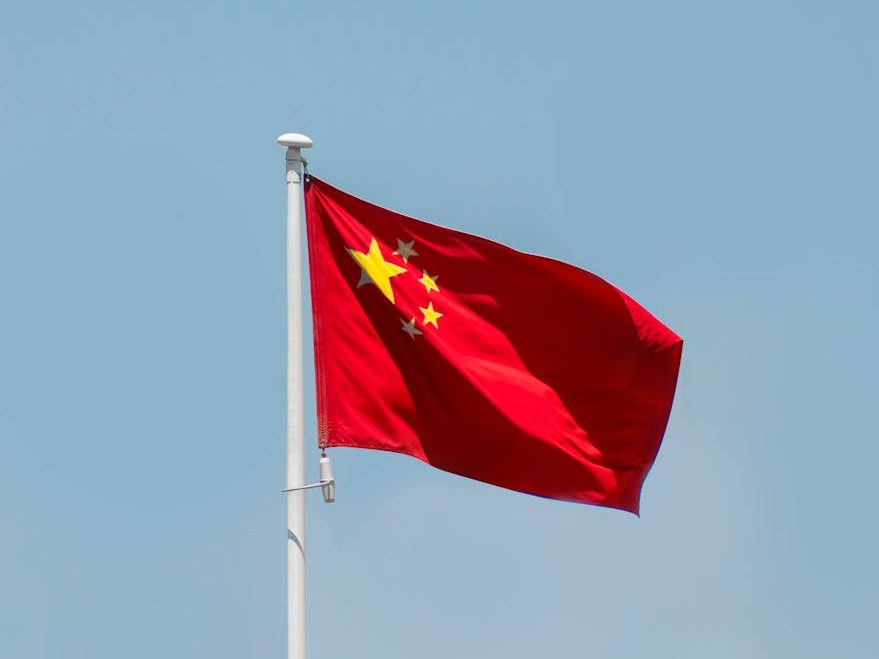
MANILA— China has challenged Philippine officials considering declaring Chinese Ambassador Jing Quan persona non grata, with Foreign Ministry spokesperson Mao Ning saying Beijing is tired of what he described as repeated threats against its embassy.
“If they really want to do something, do it quickly and immediately, please,” Mao said during a regular press conference.
Mao made the remarks after Reuters asked for Beijing’s response to Jing’s statement that China “may easily win” in a confrontation with the Philippines, although it would not resort to force. The ambassador made the statement following Philippine Defense Secretary Gilberto Teodoro Jr.’s description of China as a regional troublemaker. President Ferdinand Marcos Jr. also said the ambassador’s remarks sounded like a threat.
“China’s position on improving and growing its ties with the Philippines is clear. It is hoped that the Philippine side will have a full and accurate understanding of it,” Mao said.
He accused what he called anti-China politicians of taking Beijing’s statements out of context and distorting facts for political gain.
“Over the past 30 years, anti-China forces have been repeatedly doing the same thing to threaten our embassy. We are fed up with these old and low tricks,” Mao said.
He added that while diplomacy was based on reciprocity, China would not welcome Philippine officials involved in the dispute to visit the country.
In a fact sheet accompanying the remarks, China described bilateral relations as being at a sensitive and critical juncture, calling for careful handling of differences and continued political dialogue.
Beijing said the two countries had resumed political dialogue and held five rounds of talks, adding that they should continue managing disagreements while expanding cooperation in trade, investment, people-to-people exchanges and law enforcement.
China also maintained that maritime disputes should not define the entirety of bilateral relations, reiterating its approach of “shelving disputes and pursuing joint development.” It urged both sides to maintain a safe distance at sea and avoid incidents, provocations and escalation.
On economic ties, Beijing said bilateral trade reached US$44.52 billion in the first half of 2026, an increase of about 20% year-on-year. It also reported that 303,000 Chinese tourists visited the Philippines in the first eight months of the year, up 93% from the same period in 2025, while Filipino travel to China rose 48.9% in the first half.
China said investment from Chinese companies in the Philippines remained behind that in several other Southeast Asian countries, citing the need to improve the business environment and restore investor confidence.
The fact sheet also cited a 59% decline in kidnappings involving Chinese nationals in the first half of 2026. Since 2023, the two countries had apprehended 102 major fugitives and repatriated more than 2,500 suspects, according to Beijing.
China further argued that the Philippines could maintain good relations with both Beijing and Washington without treating the relationship as a zero-sum choice.
“The Philippines need not choose sides between China and the United States. It can pursue a moderate and balanced foreign policy and benefit from good relations with both,” the fact sheet said.
Beijing said it remained ready to work with different sectors of Philippine society to strengthen dialogue, build trust and expand mutually beneficial cooperation.



Leave a Reply