
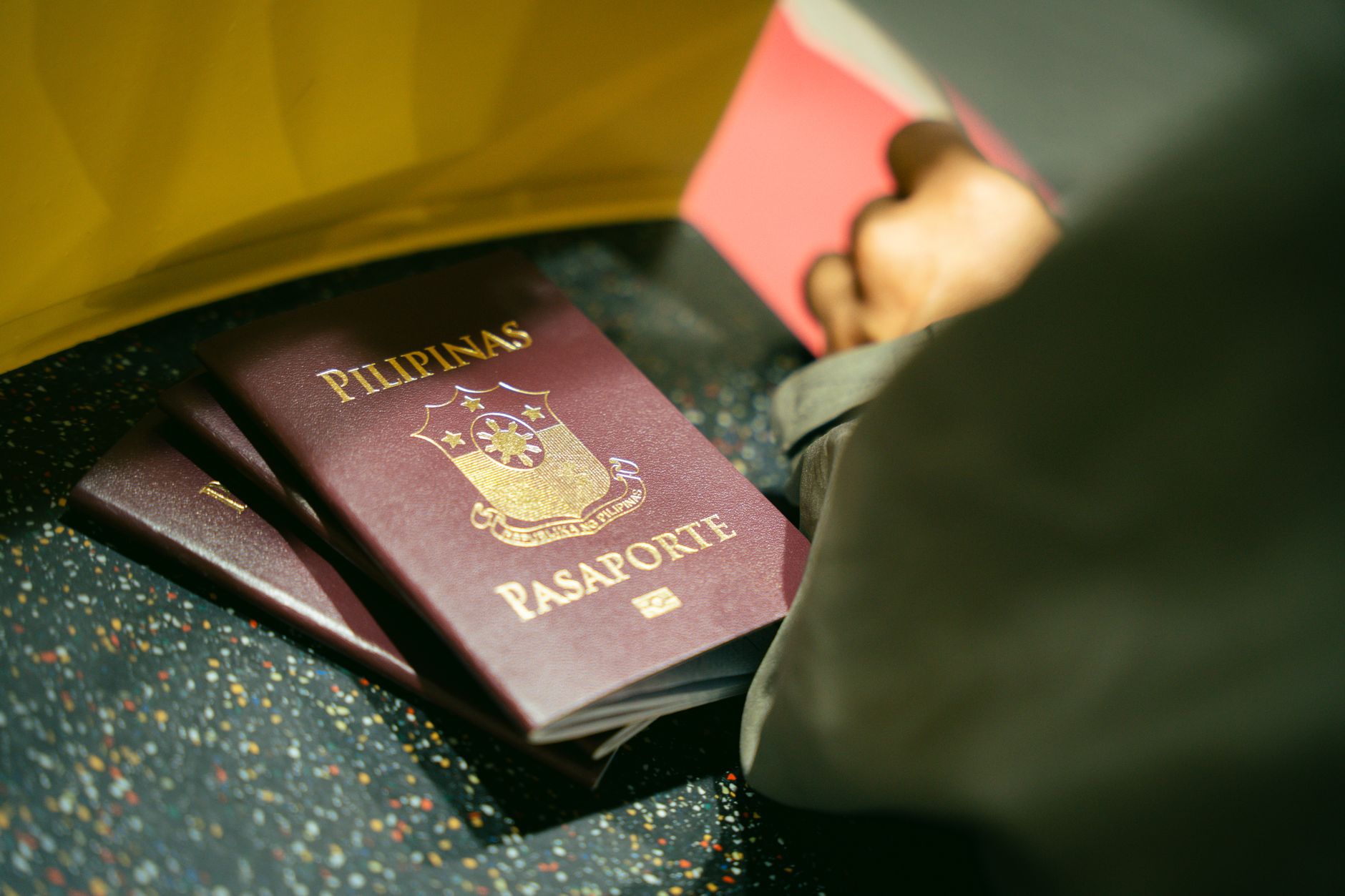
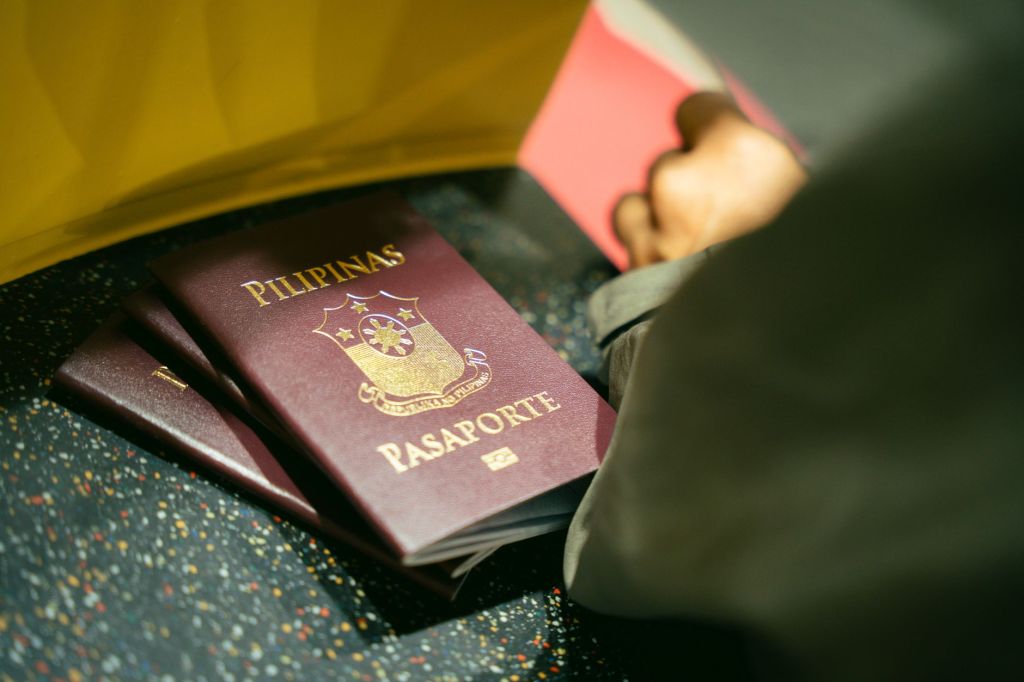
MANILA— The Department of Foreign Affairs (DFA) has rejected claims questioning its legal authority to issue Philippine visas and allegations of irregularities in its passport services, calling the remarks made by DZRH’s Executive Session hosts on Nov. 7 erroneous and unsupported by evidence.
In a statement, the DFA defended its implementation of the 14-day visa-free entry arrangement for Chinese nationals, saying it was issued pursuant to a directive from President Ferdinand Marcos Jr. to promote trade, investments, tourism, and people-to-people exchanges between the Philippines and China.
The department said the arrangement was formulated in coordination with other concerned government agencies under the One-Country Team policy.
It covers Chinese nationals visiting for tourism or business for a maximum of 14 days and is neither extendible nor convertible to another visa category.
The DFA added that reported abuses of the visa-free privileges should be investigated by Philippine law enforcement agencies but stressed that such incidents do not establish wrongdoing by the department or prove that the arrangement was unlawfully implemented.
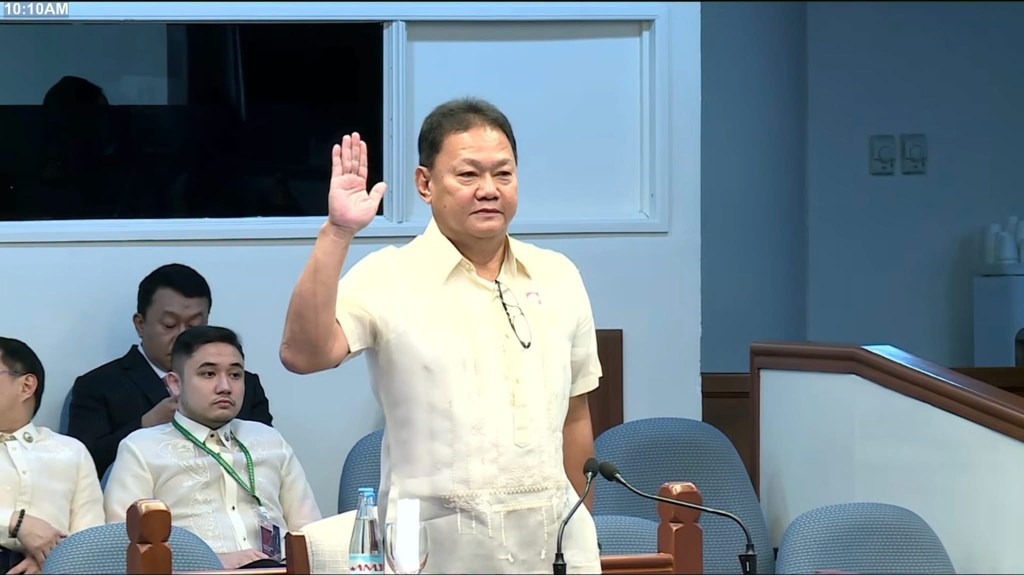
The agency also disputed Ombudsman Jesus Crispin Remulla’s assertions that visa issuance falls exclusively under immigration authorities of the Department of Justice (DOJ), with the DFA merely exercising delegated powers.
It maintained that its authority is directly established by law and does not depend on any delegation from the DOJ.
The DFA cited Section 21(3), Chapter 7, Title I, Book IV of Executive Order No. 292, or the Administrative Code of 1987, which identifies visa issuance as a statutory function of Philippine consular offices.
It also invoked Articles 3, 5(d), and 7 of the Vienna Convention on Consular Relations, which recognize visa issuance as a consular function that may be performed by diplomatic missions.
On Remulla’s suggestion that visa processing be transferred to a third-party service provider such as VFS Global, the DFA said private companies may assist in receiving and facilitating applications but cannot assume the government’s authority to approve or reject visas.
The department described visa assessment and issuance as a sovereign governmental function that must remain with duly authorized public officials.
Addressing concerns over the difficulty of securing Philippine business visas, including a Chinese businessman’s comparison with another country, the DFA said every state has the sovereign right to establish its own visa requirements and procedures.
For Chinese nationals applying for a Section 9(a-1) business visa, the standard processing period is five working days from the submission of complete requirements, provided there is no derogatory information.
The DFA also reiterated that Chinese nationals making short-term business visits may use the 14-day visa-free entry arrangement, subject to its conditions.
Meanwhile, the department rejected allegations concerning irregularities in its passport services, including claims that it issues fake passports or deliberately imposes burdensome documentary requirements.
It said all passport application requirements are prescribed under Republic Act No. 11983, or the New Passport Law, and its implementing rules and regulations.
The DFA explained that documentary safeguards and identity verification procedures are necessary to prevent passport fraud.
It also denied suggestions that passport and visa services are commercial undertakings, stressing that fees are collected under the government’s prescribed schedule and form part of government revenue.
The department concluded by rejecting allegations of institutional impropriety that it said disregard its statutory authority and were made without specific and verifiable evidence.



Leave a Reply