
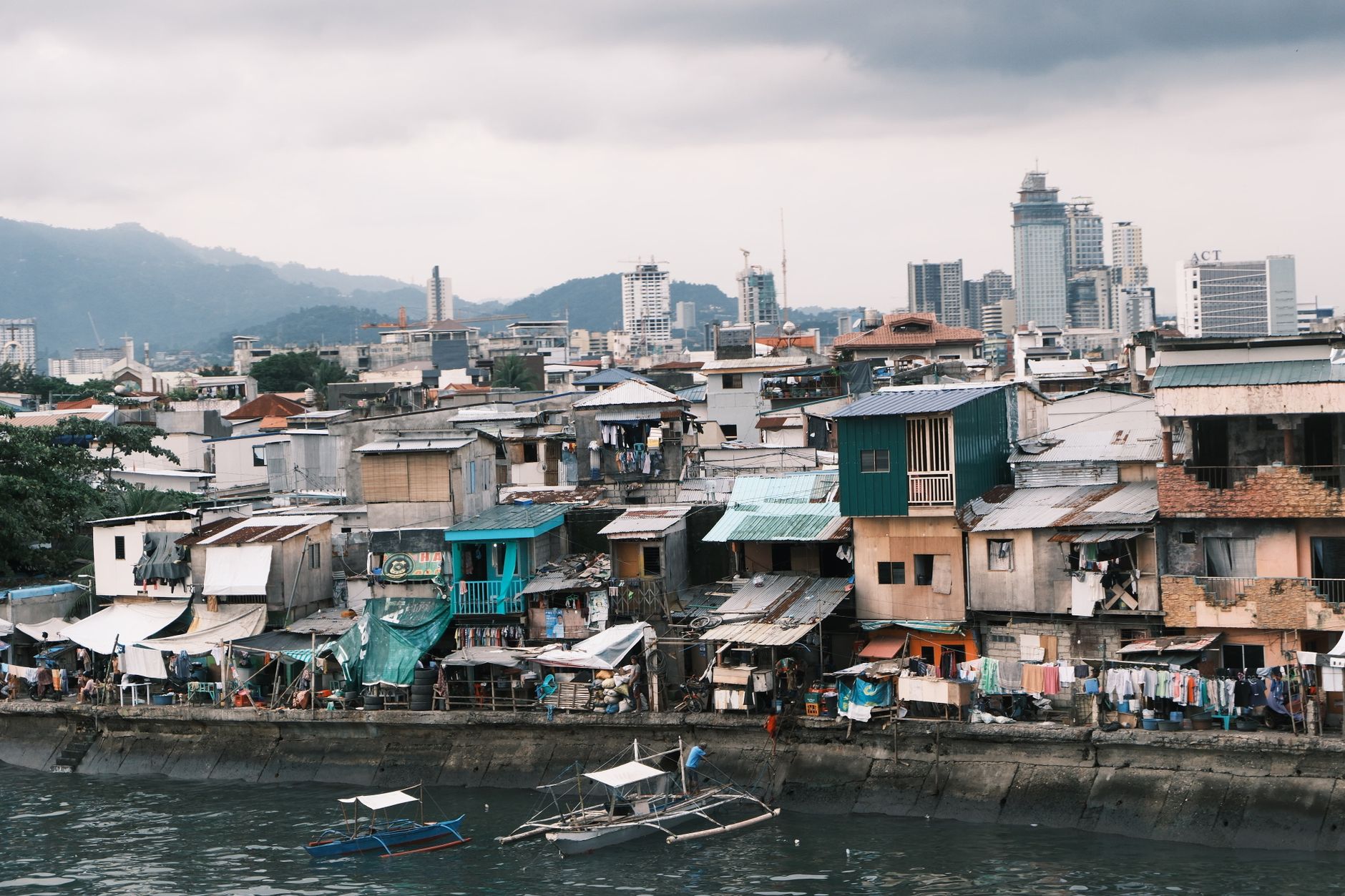
MANILA — Poverty, hunger and food poverty among Filipino families showed no statistically significant improvement in the third quarter of 2026, with millions of households continuing to struggle to meet their basic needs, according to OCTA Research.
Results of OCTA’s third-quarter Tugon ng Masa (TNM) survey placed self-rated poverty at 37%, equivalent to approximately 9.8 million families, down from 39% or 10.3 million families in the previous quarter.
However, the two-percentage-point decline remained within the survey’s ±3-percentage-point national margin of error, indicating no statistically significant change.
Self-rated hunger, meanwhile, increased slightly to 22% or around 5.8 million families from 21% or 5.6 million in the second quarter. The one-point increase was also within the margin of error.
Despite the quarterly stability, the hunger rate remained higher than the 17% recorded in the first quarter of 2026. Among families who experienced hunger, approximately 83% said it occurred only once or a few times.
Self-rated food poverty likewise remained statistically unchanged at 27%, representing about 7.1 million families, compared with 28% or approximately 7.4 million households in the previous quarter.
The survey also highlighted persistent geographic and socioeconomic disparities in poverty and hunger.
Mindanao recorded the highest levels of self-rated poverty at 56% and food poverty at 54%. Meanwhile, the National Capital Region (NCR) and the Visayas registered the highest incidence of hunger, both at 29%.
Among socioeconomic groups, Class E households continued to bear the heaviest burden, with nearly half, or 49%, reporting experiences of hunger.
OCTA noted that changes falling within the survey’s margin of error of ±3 percentage points nationally and ±6 percentage points across major geographic areas are considered statistically unchanged.





Leave a Reply