

The Australian consortium of aquaculture management specialists seeks to cultivate strong relationships with local peers and entrepreneurs in the aquaculture sector to collaboratively advance the blue economy and mitigate the decline of global fisheries.
The team of experts from Oceanark Group Pty Ltd (OCNARK) led by Edward Capapas, Chief Executive Officer of the firm, is set to arrive in the country this week.
Together with Andrew Fiorenza, OCNARK Co-founder and Chief Operating Officer and Crisrtina Baciero Fernandez, Ocnark Head of Talent Strategy and Business Development Europe – OCNARK (ocean ark)
Capapas, an Australian Filipino descent said,”We want our first trip to focus on the positive aspects of Philippine aquaculture, and we are here to help improve it by meeting with every stakeholder.” Listening as well as learning from each other’s aquaculture experiences.
Philippine aquaculture growing at a faster rate than capture fisheries.
Milkfish, tilapia, jumbo tiger shrimp, seaweed, and mudcrab are some of the important species generating expansion in aquaculture.
These species are grown in a variety of habitats, including freshwater, brackish water, and seawater, utilizing diverse methods and technology.
PSA data of 2024, aquaculture production was estimated at 2.22 million metric tons, down from 2.38 million metric tons the year before.
Philippine aquaculture industry had been expanding, with the country being among the top ten producers of aquaculture goods globally.
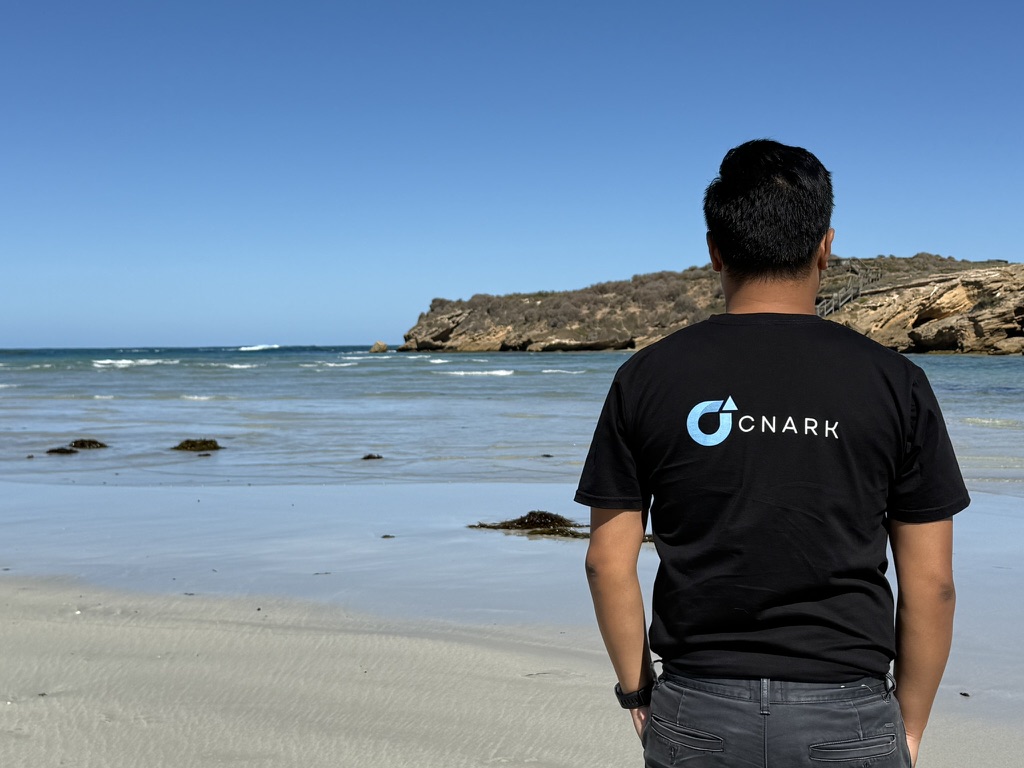
According to the United Nation’s Food and Agriculture Organization (FAO), the global volume of fish, shrimp, clams, and other aquatic animals harvested by farming reached 94.4 million tons in 2022, surpassing the amount fished in the wild for the first time .
On the contrary, capture fisheries in the Philippines have faced issues, overfishing, damaging fishing practices, and ineffective management and regulation have all had an impact on the sector.
Overall, while capture fisheries remain an essential aspect of the Philippine economy and food security, aquaculture is rapidly expanding and is predicted to play an increasingly vital role in the country’s seafood supply.
In helping to mitigate the scarcity of fish, the OCNARK experts advocate for sustainable fishing practices, improved fisheries management and develop creative approaches to responsible aquaculture management, Capapas said .
Our team of specialists are pursuing a wide collaboration with businesses, communities, regional organizations, and governments to create efficient aquaculture methods, he added.
Capapas suggest that a global cooperation among aquaculture stakeholders who are devoted to environmental conservation, as well as promote sustainable seafood production and consumption, which will most likely ameliorate dwindling fisheries in the ocean and ensuring global food security for the future.




 Republika News
Leave a comment