
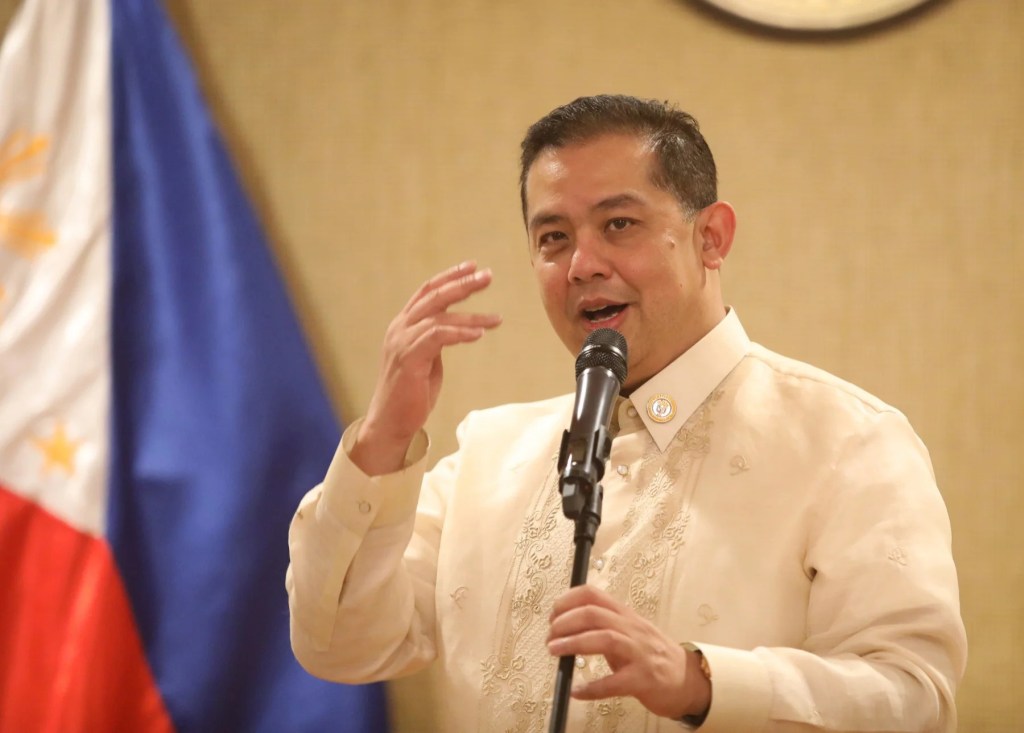
MANILA, Philippines — Even before the official opening of the 20th Congress, Leyte 1st District Rep. Ferdinand Martin G. Romualdez has filed a bill seeking to reform how the government allocates and spends public funds through a shift to a cash-based budgeting system.
House Bill (HB) No. 11, also known as the Budget Modernization Act, is one of the first measures filed ahead of the new congressional session. It proposes a transition from the current obligation-based system to a stricter cash-based framework that limits fund obligations and disbursements to goods delivered and services rendered, inspected, and accepted within the fiscal year—with a maximum of three months extension for payments.
Romualdez, who served as Speaker in the 19th Congress, said the reform is aimed at improving transparency, eliminating inefficiencies, and ensuring faster service delivery.
“Bawat sentimo sa national budget ay pera ng taongbayan. Kailangan magamit ito nang mabilis, tapat at may malinaw na resulta para sa mga Pilipino, lalo na sa mga nangangailangan,” he said.
Co-authored by Tingog Party-list Reps. Andrew Julian K. Romualdez and Jude A. Acidre, the bill addresses long-standing issues in government budgeting, such as delays in infrastructure projects, unspent funds, and stalled social programs. It seeks to compel government agencies to plan more effectively, implement projects on time, and produce measurable outcomes.
Under the bill, “Cash Budgeting System” refers to appropriations that restrict the incurring of obligations and disbursement of payments to services and goods fulfilled within the fiscal year. Any delays in execution will only be allowed a three-month payment extension.
“Kapag may pondong inilaan para sa eskwelahan, dapat may maitayong silid-aralan. Kung may budget para sa kalsada, dapat may daang natatapos. Hindi puwedeng puro plano, walang resulta,” Romualdez emphasized.
The bill also proposes tighter controls on so-called “parked” or off-budget funds by requiring stricter definitions for appropriations and limiting lump-sum or special purpose funds without clear deliverables and timelines.
Another key feature is the introduction of performance-based budgeting, which will measure agencies not just by how much they’ve spent, but by the results they’ve delivered. This aims to shift public spending from compliance to tangible impact.
“Hindi na sapat ang sabihing nagastos ang pondo. Dapat makita ng taumbayan kung ano ang naitulong nito sa kanilang buhay,” Romualdez added.
To enhance transparency and oversight, the bill mandates the adoption of a digital public financial management system that tracks government spending in real time. Romualdez said this will strengthen anti-corruption efforts and rebuild public trust in how taxpayer money is used.
“’Pag malinaw ang sistema, madaling masilip ng taumbayan kung saan talaga napupunta ang pondo. Iyan ang tunay na malasakit,” he said.
Romualdez said the early filing of HB No. 11 signals his readiness to pursue governance reforms even as the House leadership remains in transition. The measure forms part of a larger reform agenda aligned with the Marcos administration’s Bagong Pilipinas campaign for measurable, inclusive development.



Leave a comment