
MANILA—Lower rice prices and easing costs for meat, poultry, and fruits—tempered by interventions of the Department of Agriculture (DA) under President Ferdinand Marcos Jr.—helped shield vulnerable households from the full impact of higher consumer prices in August, even as headline inflation accelerated.
The Philippine Statistics Authority (PSA) reported Friday that inflation rose to 1.5 percent in August from 0.9 percent in July, largely due to higher food prices—particularly vegetables and fish—amid storm-related supply bottlenecks and widespread flooding. The uptick ended four straight months of slowing inflation, though the rate remained well below the 3.3 percent recorded in August 2024.
For the bottom 30 percent of income households, however, inflation stayed in negative territory at -0.6 percent, extending a deflationary trend since June.
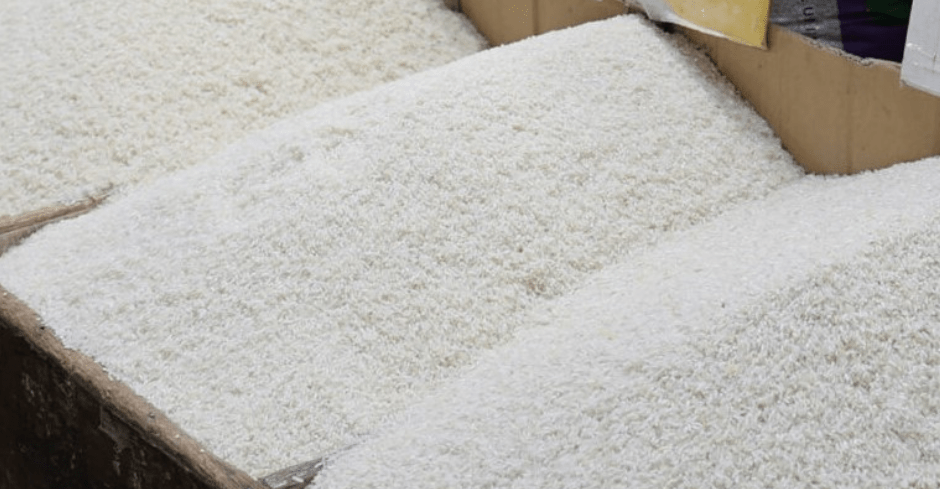
The relief came mainly from lower rice prices following the DA’s implementation of maximum suggested retail prices (SRPs). The MSRP for rice was cut to ₱43 per kilo on July 16, pushing down rice prices by 19.3 percent year-on-yearin August after a 17.8 percent drop in July. Rice accounts for 18 percent of poor households’ consumption basket—double its weight in the average Filipino’s spending.
Agriculture Secretary Francisco Tiu Laurel Jr. said the DA is stepping up efforts to stabilize other key food items—pork, chicken, fish, and vegetables—as bad weather continues to disrupt supply chains.
“We’ve approved fish importation to supplement supply in the coming closed fishing season, and the Food and Drug Administration has cleared the commercial use of bird flu vaccines to help boost poultry output ahead of the holidays,” he said.
The DA is also rolling out President Marcos’ flagship food subsidy program, Benteng Bigas, Meron Na!, which sells rice at ₱20 per kilo to qualified sectors. The program was launched Friday in Bohol, with tricycle and jeepney drivers set to join beneficiaries starting September 16.
Current beneficiaries include rice farmers, fisherfolk, minimum wage earners, senior citizens, solo parents, persons with disabilities, and indigent families. Tiu Laurel said the DA is looking to expand coverage further to include financially strapped Department of Education staff and non-rice farmers.





Leave a comment