
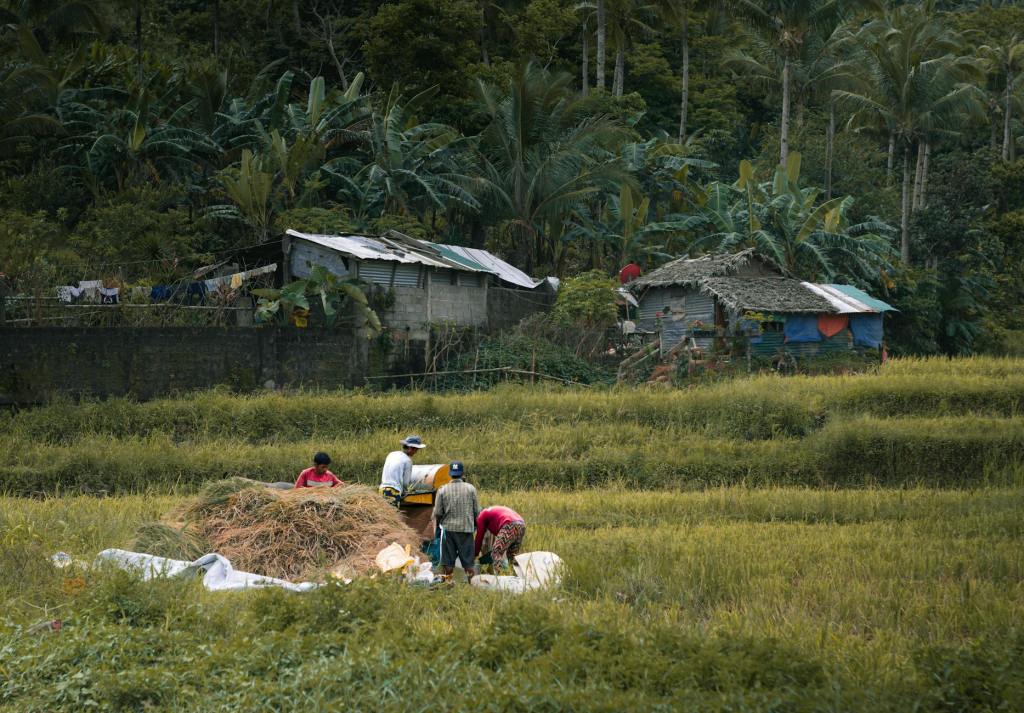
MANILA — The Department of Agriculture–Agricultural Credit Policy Council (DA-ACPC) has launched a loan payment moratorium for qualified farmers and fisherfolk as part of efforts to cushion the impact of rising energy costs and production expenses.
The measure is based on Department of Agriculture Administrative Order No. 2, series of 2017, which outlines the implementing guidelines of the Survival and Recovery (SURE) Program, a financial assistance mechanism aimed at helping agricultural workers recover from calamities, emergencies, and economic disruptions.
The initiative also follows President Ferdinand Marcos Jr.’s declaration of a State of National Energy Crisis, as the government seeks to protect vulnerable sectors from increasing fuel and electricity prices.
Under the program, borrowers of DA-ACPC with existing and outstanding loans may apply for a suspension of repayments for up to one year, subject to evaluation and approval by partner lending conduits such as government financial institutions, rural banks, and cooperative banks.
Agriculture Secretary Francisco P. Tiu Laurel Jr. said the moratorium is part of a broader government response to help farmers and fisherfolk cope with the effects of the energy crisis on production costs.
“The loan moratorium is not a standalone measure, but part of a coordinated government effort involving financing institutions, local lending partners, and Department of Agriculture agencies working on rural resilience,” Tiu Laurel said. “We are prioritizing immediate relief while strengthening long-term access to credit so our agricultural sector remains productive and stable despite external shocks, particularly rising fuel and fertilizer costs.”
The DA-ACPC said it is coordinating with partner lending conduits to ensure the smooth implementation of the moratorium across affected areas nationwide.
“DA-ACPC programs are responsive and designed with our clients in mind,” said Rallen O. Verdadero, ACPC executive director. “A one-year grace period on loan payments allows farmers and fishers to prioritize their families’ needs while regaining momentum in their agricultural activities and sustaining their livelihoods.”
Verdadero said applications will be evaluated based on eligibility and loan status, with priority given to borrowers in good standing who are experiencing temporary financial difficulties due to higher energy costs.
The agency added that the program is expected to help prevent loan defaults, sustain rural economic activity, and support food security, as rising energy expenses continue to affect agricultural production and distribution.



 Republika News
Leave a comment