
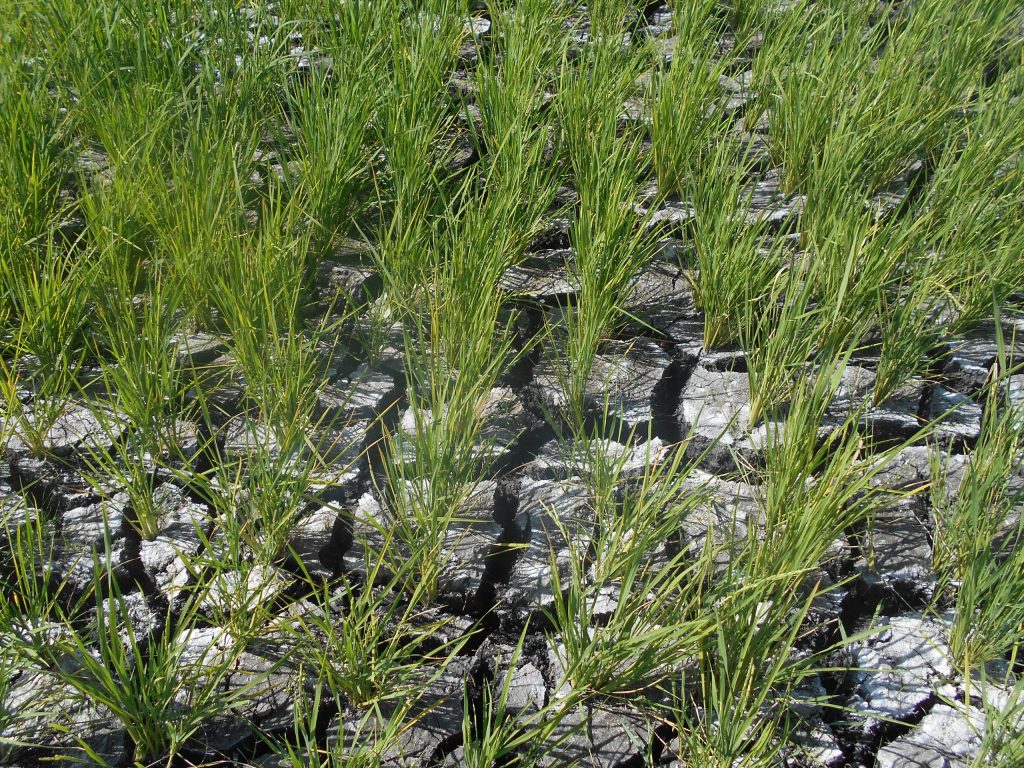
MANILA — The Department of Agriculture is ramping up its preparations for a potential El Niño event later this year, cautioning that a moderate to strong episode could significantly affect agricultural production, reduce farmers’ income, and slow economic growth.
“It is no longer a question whether we will experience another El Niño after the 2024 episode that undermined rice harvest. The only question that needs to be answered is its intensity,” Agriculture Secretary Francisco P. Tiu Laurel Jr. said.
The agency said preparations for a possible drought form part of President Ferdinand Marcos Jr.’s broader directive to maintain food security amid geopolitical uncertainties and increasing climate risks.
Tiu Laurel has directed the Masagana Rice Industry Development Program, led by Undersecretary Christopher V. Morales, to prepare for worst-case scenarios, with support from the Philippine Rice Research Institute and other units. The move comes as the country also faces a national energy emergency that has driven up farm input costs, further burdening producers.
PhilRice executive director John de Leon said data presented by the Philippine Atmospheric, Geophysical and Astronomical Services Administration showed a 92 percent probability of a moderate to strong El Niño based on the ENSO outlook.
ENSO, or the El Niño-Southern Oscillation, refers to recurring climate conditions driven by changes in ocean temperatures and atmospheric pressure in the Pacific.
De Leon added that some global climate models suggest the possibility of a “super” El Niño, with temperatures potentially rising by up to 2.2 degrees Celsius, which could reduce rainfall and strain water resources in key agricultural areas.
Agriculture officials are reviewing rainfall forecasts and water supply conditions to adjust planting strategies and limit potential damage. Morales said measures may include shifting to less water-intensive crops such as mung beans, modifying planting schedules, and accelerating the rollout of solar-powered irrigation systems to reduce dependence on costly fuel and electricity while supporting drought-affected farms.
The DA is also working with the National Irrigation Administration, now under the Office of the President, to optimize water distribution and ensure irrigation systems are prepared for extended dry periods.
The agency noted that recent experience has underscored the risks. In 2024, agricultural output contracted by 2.2 percent, driven by a 4.2 percent decline in the crops sector, which accounts for more than half of total farm production. Rice and corn were among the most affected.
Officials warned that the combined impact of climate pressures and higher energy costs could threaten food supply, drive up prices, and dampen economic growth. With rice being a key factor in inflation, even minor disruptions in production could have wider economic effects.
Authorities emphasized that early and coordinated interventions will be essential to mitigate the impact of El Niño and safeguard both farmers’ livelihoods and the country’s food security.



 Republika News
Leave a comment