
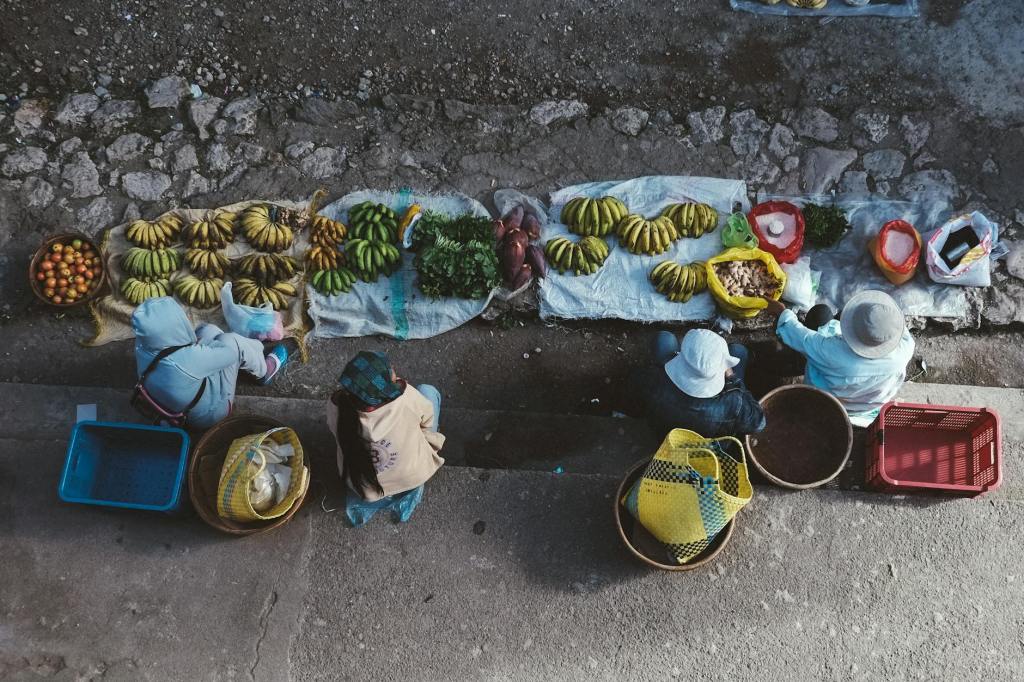
MANILA — The Philippines has called for enhanced regional cooperation to protect food security in the Asia-Pacific, warning that geopolitical tensions in the Middle East are already affecting global supply chains and increasing agricultural input costs.
Agriculture Secretary Francisco P. Tiu Laurel Jr. raised the concern during the Ministerial Segment of the 38th Session of the UN Food and Agriculture Organization (FAO) Asia-Pacific Regional Conference, a biennial meeting of ministers and senior officials from 46 member states focused on food and agriculture policies.
The Philippines, along with Japan, Thailand, Sri Lanka, Malaysia, New Zealand, and Australia, earlier pushed to include the “food security implications of the 2026 conflict in the Middle East” in the conference agenda, citing concerns that disruptions in oil, gas, and fertilizer exports could heighten inflationary pressures across the region.
“We meet at a moment when geopolitical tensions in the Middle East have posed additional risks to global economic and food security through disruptions in oil, gas, and fertilizer exports, which have already triggered price hikes,” Tiu Laurel said.
He highlighted how rising energy costs are affecting agriculture, particularly through increased prices of fertilizer and fuel, which are key inputs in food production and distribution.
In the Philippines, the Department of Agriculture said higher fertilizer prices are especially challenging during the wet planting season when demand is high. Increased fuel costs have also raised transportation expenses across the country’s archipelagic setup, contributing to higher food prices and reduced fishing activity.
The agency added that these pressures are compounded by climate-related risks, including the possibility of a stronger El Niño later this year, which could affect crop output and water supply.
FAO Chief Economist Máximo Torero, in a briefing during the conference, underscored the global nature of supply chain vulnerabilities and the need for coordinated responses to manage volatility in food and input markets.
To mitigate the impact, the Philippines outlined several measures, including fuel subsidies for farmers and fisherfolk, expanded logistics support, investments in cold storage and post-harvest facilities, and the promotion of alternative fertilizers.
Tiu Laurel also pushed for a broader “agri-food systems approach,” emphasizing the need to address not only production but also income stability, nutrition, and rural development.
The Philippines said its priorities include investing in rural infrastructure, promoting climate-resilient farming technologies, developing innovative financing mechanisms, strengthening coordination with local governments, and supporting inclusive value chains for women and youth.
On the sidelines of the conference, the Philippine delegation held bilateral talks with officials from Lao PDR and Vietnam to discuss agricultural cooperation, technology exchange, and trade facilitation.
The FAO Asia-Pacific Regional Conference serves as a key platform for policy coordination in the region. The Philippines reiterated the need for real-time monitoring of commodity and fertilizer prices, early warning systems, market transparency, and predictable trade policies among member states.
The Ministerial Segment followed a Senior Officials Meeting held from April 20 to 22, 2026, where technical and policy discussions on regional food security challenges were conducted.
The Philippine delegation was led by Tiu Laurel, with participation from officials of the Department of Agriculture and Philippine representatives to Rome-based UN agencies. The next FAO Asia-Pacific Regional Conference is scheduled to be hosted by Lao People’s Democratic Republic in 2028.

 Republika News
Leave a comment