
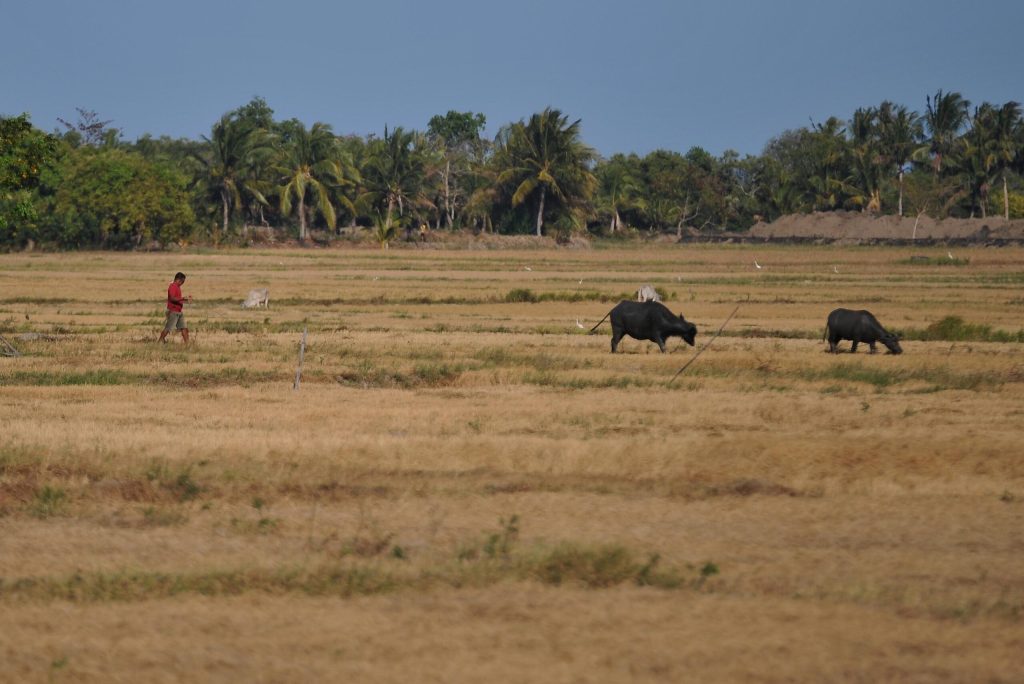
MANILA — The Department of Agriculture (DA) is carrying out a coordinated and data-driven plan to help the agriculture sector cope with potential dry conditions linked to a possible El Niño later this year.
The initiative draws from lessons learned during the 2024 dry spell and centers on improving readiness, strengthening coordination, and ensuring timely interventions to protect farm output and livelihoods.
Leading the preparations are various DA programs and regional offices working alongside partner agencies to cushion the impact on farmers should dry conditions emerge.
“We are taking early steps to prepare for possible El Niño conditions,” Engr. Christopher Morales, Undersecretary for Rice Industry Development, said. “This is about readiness and reducing potential impacts on farmers and production.”
Part of the strategy involves evaluating irrigation systems to determine areas vulnerable to reduced water supply. The DA, in coordination with the National Irrigation Administration, is reviewing major systems such as Magat and the Upper Pampanga River Integrated Irrigation System, along with other national irrigation networks, to identify locations that may require water allocation adjustments or additional interventions.
The agency is also enhancing climate-risk mapping efforts. The Philippine Rice Research Institute, together with the Bureau of Soils and Water Management, is updating data on rainfed and seasonal farming areas to guide decisions on planting schedules, crop selection, and water use under changing rainfall patterns.
Regional Field Offices are conducting localized assessments using historical climate data and field validation to support tailored preparedness measures in their respective areas.
To ensure timely response, the DA has started prepositioning key agricultural inputs, including drought-resistant seeds, fertilizers, and irrigation support. Existing assistance programs such as crop insurance, credit access, and market support are likewise being reinforced to help sustain farmers’ incomes.
The department is also studying the possible use of cloud seeding in select areas, subject to technical evaluation and appropriate weather conditions, as an additional measure in case of significant rainfall shortages.
Efforts to improve inter-agency coordination include the reactivation of the El Niño Task Force, which aims to streamline actions among agencies involved in water management and agricultural support for quicker and more effective responses.
The DA is also revisiting its 2024 El Niño response framework, incorporating field insights and addressing previous gaps to enhance planning across different climate scenarios.
Agriculture Secretary Francisco P. Tiu Laurel Jr. said the preparations are in line with the directive of President Ferdinand Marcos Jr. to ensure continued assistance for farmers and maintain a stable food supply.
“These measures are aimed at strengthening preparedness and ensuring that support systems are in place to help farmers maintain productivity under changing weather conditions,” Tiu Laurel said.
The agency stressed that the measures are precautionary and part of broader efforts to boost resilience in the agriculture sector through improved planning, coordination, and timely support.


 Republika News
Leave a comment