
MANILA — The government is intensifying targeted interventions to contain rising food prices following the oil price shock linked to the Middle East conflict, which has driven up transport and logistics costs, Agriculture Secretary Francisco P. Tiu Laurel Jr. said.
Food inflation rose to 6.1 percent in April, more than doubling from 2.7 percent in March, reflecting increasing pressure on household budgets. The impact has been more pronounced among lower-income households, with inflation for the bottom 30 percent accelerating to 8.5 percent from 0.1 percent a year earlier.
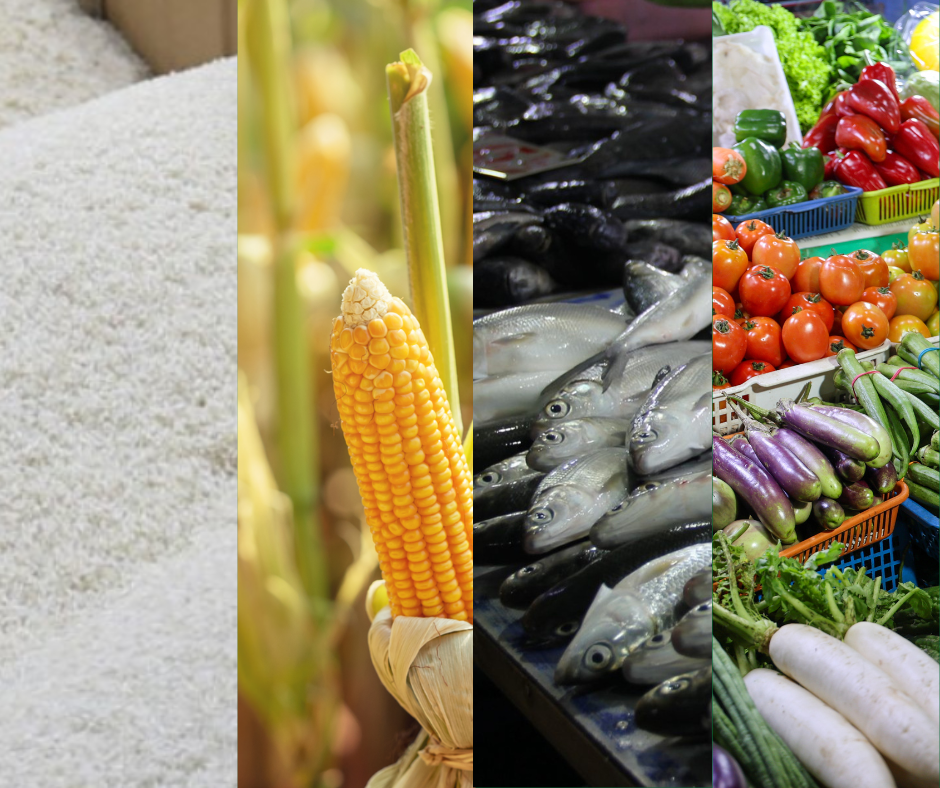
Data from the Philippine Statistics Authority showed that rice was the main contributor to the increase, with prices climbing 13.7 percent from 3.5 percent in the previous month. Other food items such as corn, fish, and vegetables also recorded faster price increases, while cereals accounted for more than half of the overall food inflation rise.
Tiu Laurel said the spike in fuel prices has raised distribution and transport costs, pushing retail food prices higher despite adequate supply.
“Clearly, this price shock is a knee-jerk reaction to the surge in prices of petroleum products. We have ample supply for rice, poultry, meats, vegetable, and other commodities but the cost of logistics and transport has propped up prices,” he said. “We have moved to provide financial aid to agri-truckers to keep food prices affordable, and mobilized other offices to bring food from production hubs to markets.”
To mitigate the impact, the Department of Agriculture (DA), in coordination with other agencies, has reinstated dedicated food lanes, removed toll fees for agricultural trucks, and reduced port charges to facilitate faster delivery and lower logistics costs. Fuel subsidies have also been extended to support players in the food supply chain.
The DA’s Agribusiness and Marketing Assistance Division has also increased market monitoring efforts, conducting more frequent inspections to ensure prices remain reasonable and to prevent excessive markups.
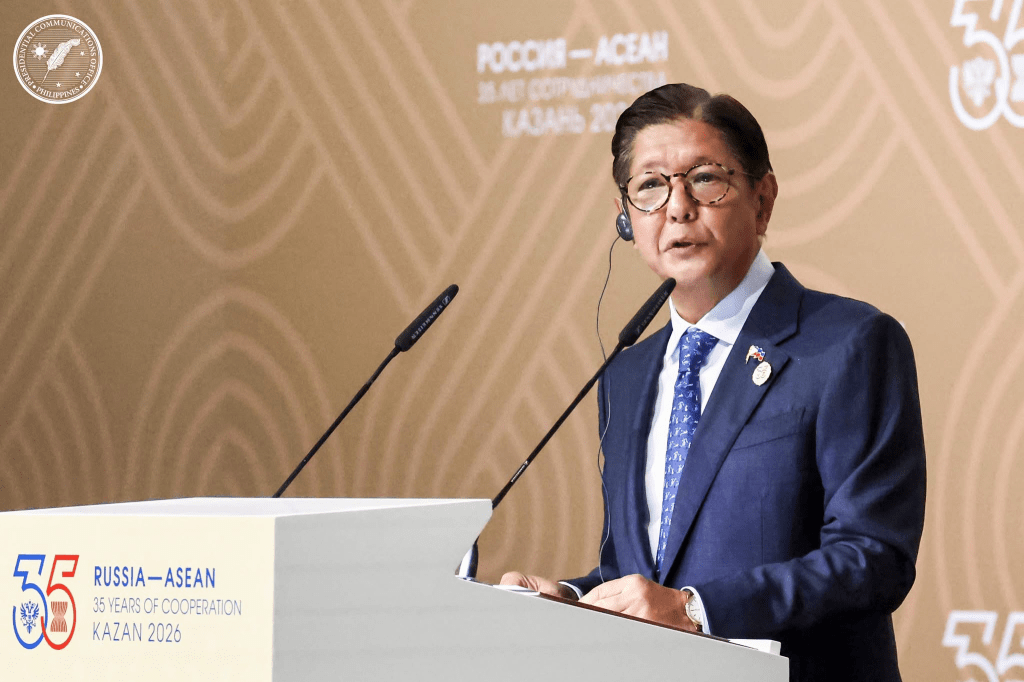
At the same time, the government is accelerating the rollout of key initiatives, including the Benteng Bigas, Meron Na! program under President Ferdinand Marcos Jr., which offers rice at P20 per kilo to vulnerable sectors, as well as the Rice-for-All program for the wider market.
Tiu Laurel said the government is prepared to impose a price cap of P50 per kilo on imported rice should price pressures continue.
The measures form part of a broader strategy to manage the secondary effects of fuel-driven inflation, as authorities aim to stabilize food prices while maintaining efficient supply chains.



 Republika News
Leave a comment