
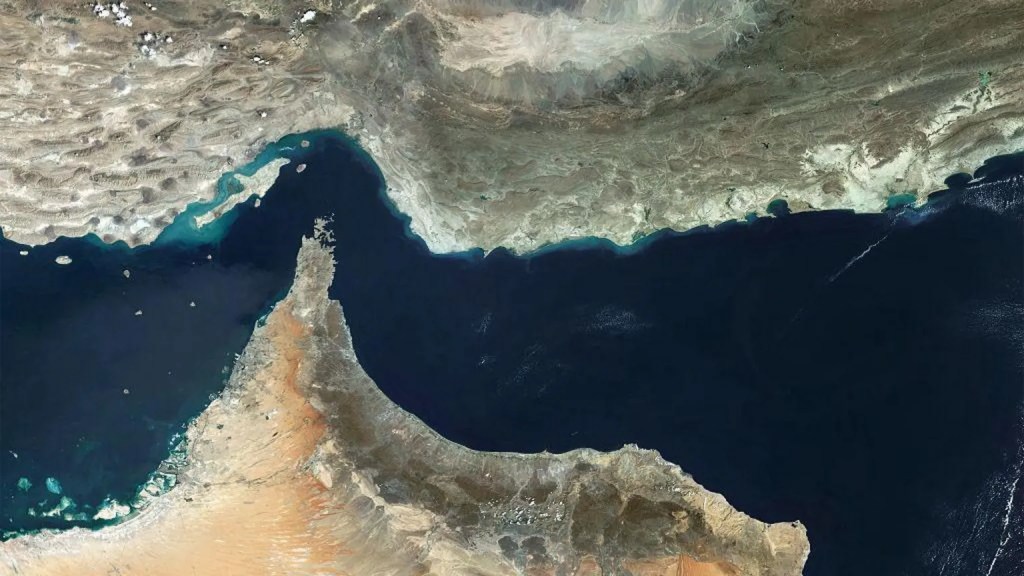
WASHINGTON — President Donald Trump said he has instructed his representatives not to rush into any agreement with Iran, as his administration tempered expectations of an imminent breakthrough in negotiations aimed at ending the ongoing conflict and reopening key oil shipping routes.
Trump said the United States would maintain restrictions affecting Iranian maritime activity in the Strait of Hormuz until a formal agreement is reached and signed.
“The US blockade on Iranian ships in the Strait of Hormuz would ‘remain in full force and effect until an agreement is reached, certified, and signed,’” Trump wrote on Truth Social. “Both sides must take their time and get it right,” he added.
Iran did not immediately issue a response, although Tasnim news agency, which is linked to Iran’s Revolutionary Guards, reported that Washington was still blocking elements of a potential deal, including Tehran’s demand for access to frozen assets.
A day earlier, Trump said the two sides had “largely negotiated” a memorandum of understanding on a possible peace deal that would reopen the strategic waterway, which previously handled about one-fifth of global oil and liquefied natural gas shipments.
However, major disagreements remain, including Iran’s nuclear program, regional conflicts involving Hezbollah in Lebanon, and Tehran’s demand for sanctions relief and the release of billions of dollars in frozen oil revenues.
A senior U.S. administration official said no agreement would be signed on Sunday, citing the pace of Iran’s internal decision-making, but outlined what he described as emerging elements of a draft framework.
The official, speaking anonymously, said Iran had agreed “in principle” to reopen the Strait of Hormuz in exchange for the lifting of a U.S. naval blockade and to dispose of highly enriched uranium, though implementation details were still under discussion.
He also said the framework had been broadly endorsed by Iran’s Supreme Leader Ayatollah Mojtaba Khamenei, though there was no independent confirmation from Tehran.
A second official said negotiators were working under a proposed 60-day timeline to finalize a deal.
Iranian sources cited by Reuters said possible technical solutions were being explored for its uranium stockpile, including dilution under international supervision.
Iran has consistently denied pursuing nuclear weapons, insisting its uranium enrichment program is for civilian energy purposes.
The proposed agreement has drawn criticism in the United States, with opponents arguing it may not differ significantly from previous nuclear arrangements.
Democratic Senator Chris Van Hollen called the reported framework “the pre-war status quo,” while Trump defended his approach, saying critics lacked full understanding of the negotiations.
Oil markets reacted sharply to the developments, with Brent crude and U.S. West Texas Intermediate both dropping more than 4 percent, reaching two-week lows as trading opened.
Despite reports of progress, analysts warn that even a potential agreement would not immediately restore full oil flows through the Strait of Hormuz, with recovery potentially stretching into 2027 due to ongoing disruptions.


 Republika News
Leave a comment