
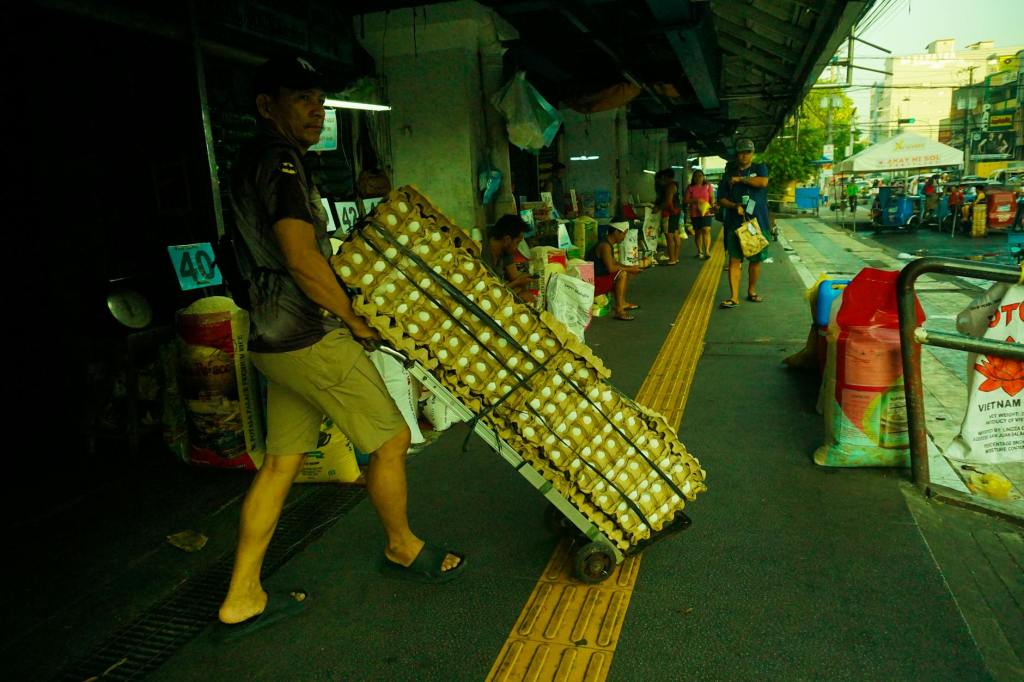
MANILA — A coalition of labor organizations, led by the Workers’ Rights Watch Network, raised concern over what it described as the continuing deterioration of trade union rights in the Philippines, saying the country remains under international scrutiny for alleged violations of workers’ fundamental freedoms.
In a press statement dated June 3, 2026, the group said the Philippines was no longer included in the International Trade Union Confederation’s (International Trade Union Confederation) list of the 10 Worst Countries for Workers in 2026, but stressed that this should not be interpreted as an improvement in labor conditions.
It noted that the Philippines still holds the ITUC’s highest rating of 5, which it said reflects the absence of guaranteed rights due to what it described as systemic violations of workers’ freedoms. The group added that the change in ranking was due to worsening conditions in other countries rather than improvements locally.
The coalition also pointed to the country’s inclusion in the International Labour Organization Committee on the Application of Standards (CAS) shortlist over alleged violations of Convention No. 98 on the Right to Organise and Collective Bargaining under the International Labour Organization, citing ongoing concerns over freedom of association and collective bargaining.
The statement said Filipino workers continue to face “double burden” amid global crises, including inflationary pressures and what it described as increasing restrictions on labor rights when workers assert demands.
It also raised concerns over the use of Assumption of Jurisdiction (AJ) orders issued by the Labor Secretary, which it said prohibit strikes and lockouts, compel workers to return to work, and allow the dismantling of picket lines. The group argued that these measures undermine the constitutional right to strike and violate international labor standards, including protections under Convention No. 87.
The coalition cited disputes involving Nexperia and the University of Santo Tomas as examples of ongoing labor tensions.
It added that around 74 percent of Filipino workers are engaged in informal work arrangements, including platform and gig work, which it said leaves them exposed to low wages, unsafe conditions, and lack of social protection and job security.
The group also flagged issues in the public sector, citing alleged violations of freedom of association involving the Philippine National Police. It said the PNP has not signed a Collective Negotiation Agreement with the Non-Uniformed Personnel Association Inc. (NUPAI), despite concluded negotiations, which it described as a case of bad faith bargaining.
It further claimed that a former NUPAI president faced harassment, red-tagging, and dismissal linked to union activities, with justice still unresolved.
The statement also criticized government policies such as the Government Optimization Act, saying these reforms may contribute to downsizing, restructuring, and weakening of unions. It likewise raised concerns over privatization and outsourcing practices, which it said push workers into more precarious employment arrangements.
The coalition said these developments reflect what it described as a continuing erosion of freedom of association in the country and called on labor groups globally to support the defense of workers’ rights to organize, bargain collectively, and strike.

 Republika News
Leave a comment