MANILA — Human Rights Watch (HRW) urged Philippine lawmakers to withdraw the proposed Digital Media Anti-False Information Act, warning that its provisions could be used to suppress free expression and expand government control over online platforms.
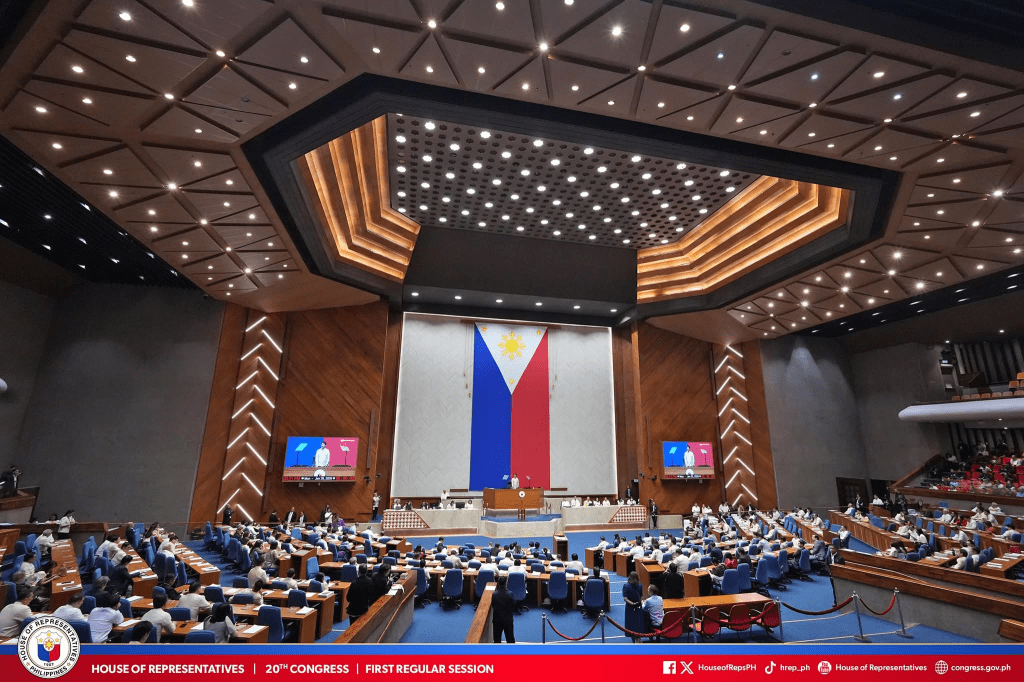
The rights group said the measure, which passed second reading in the House of Representatives on May 26, contains vague and overly broad provisions that could be abused by authorities.
Under the proposed legislation, it would be a criminal offense to “publish, disseminate, finance, direct or materially assist in the dissemination of false information.” The bill would also impose regulatory requirements on digital platforms operating in the Philippines and could require them to establish a legal entity or permanent office in the country.
“The Philippines’ ‘anti-false information’ bill has vague and overly broad language that the government can weaponize to silence free expression,” said Lian Buan, Southeast Asia researcher at Human Rights Watch. “It empowers the authorities to encroach on individual speech as well as the independence of news organizations and other digital platforms.”
HRW said the bill would penalize the dissemination of false information when done with knowledge of its falsity or reckless disregard for the truth and with intent to cause public harm or a serious threat to national security.
The organization argued that the provision could be invoked against criticism of government actions, including police operations.
The measure would also criminalize disinformation allegedly spread on behalf of or under the direction of foreign states, intelligence services, military actors, or foreign-funded covert influence operations. HRW said the provision could affect individuals and organizations sharing information related to legitimate interactions with foreign officials.
The proposed penalties include imprisonment ranging from six to 12 years and fines of PHP500,000 to PHP2 million for publishing false information intended to cause verifiable public harm or threaten national security.
Human Rights Watch also raised concerns over provisions requiring digital platforms to provide an “SoR” to users affected by actions such as account suspensions or removals, noting that the term is not defined in the bill.
The group further said the proposal would give significant regulatory authority to the Department of Information and Communications Technology (DICT), including the power to designate certain services as “Very Large Online Platforms in the Philippines” and require them to coordinate with the agency on content moderation and takedown requests.
According to HRW, the bill lacks mechanisms for multistakeholder oversight and could increase the risk of government influence over digital platforms, including independent media organizations.
The organization also flagged a provision requiring platforms to make backend data accessible for oversight and audits, saying the measure does not specify safeguards for personally identifiable information.
Platforms that fail to comply with the law could face fines ranging from PHP1 million to PHP10 million, with additional penalties of up to 6 percent of annual gross revenue for serious and repeated violations.
Sponsors of the bill have said the proposal seeks to dismantle troll farms and coordinated disinformation networks that undermine democracy and interfere in elections.
HRW cited international standards on freedom of expression, including Article 19 of the International Covenant on Civil and Political Rights and guidance from the United Nations Human Rights Committee and the UN special rapporteur on freedom of expression.
The group said the bill’s broad definitions and harsh penalties fall short of those standards and could discourage legitimate criticism of government institutions and officials.
“The Philippines already has several laws that threaten free speech,” Buan said. “Adding this new bill onto that pile provides the government with sweeping powers to restrict speech that would further stifle internet freedom and the free exchange of ideas and opinions.”



 Republika News
Leave a comment