
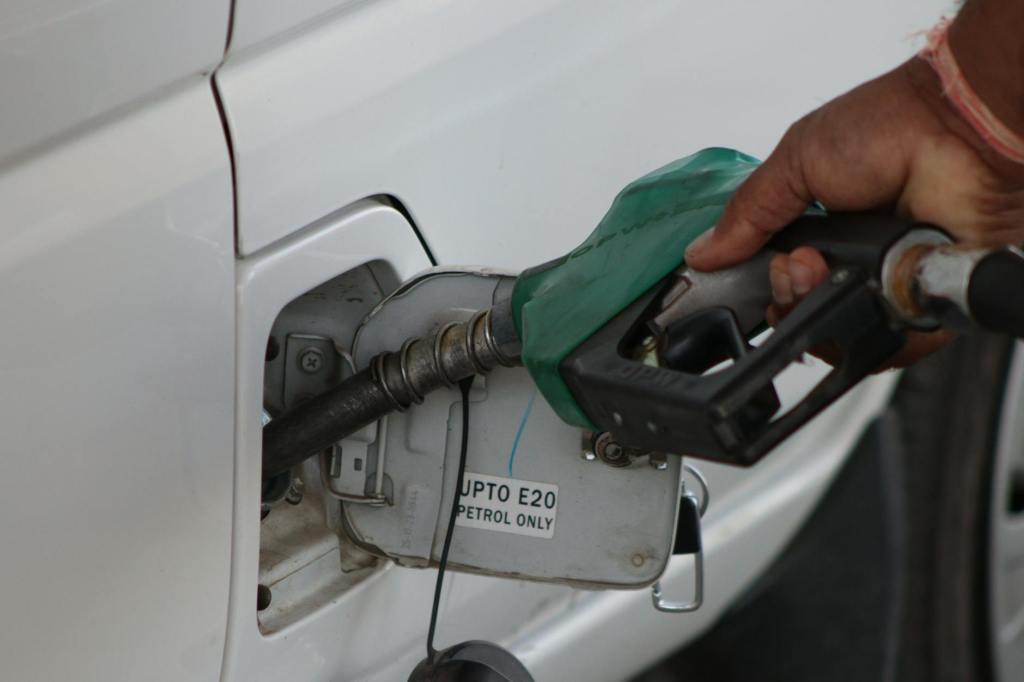
MANILA — The reduction in fuel prices to around P70 per liter, down from nearly P150 per liter at the peak of tensions in the Middle East, is expected to help ease inflationary pressures in the Philippine economy.
Domestic pump prices were cut by about P9 per liter this week following the easing of geopolitical tensions in the Middle East. The adjustment came after reports of peace talks between the United States and Iran, which also include discussions on the possible reopening of the Strait of Hormuz, a key global route for oil and liquefied natural gas shipments.
Inflation eased to 6.8 percent in May from 7.2 percent in the previous month, which was the highest level since March 2023. The increase earlier was largely driven by higher global oil prices caused by supply disruptions.
Lower inflation generally translates to slower increases in consumer prices and improved purchasing power.
However, Rizal Commercial Banking Corporation (RCBC) chief economist Michael Ricafort said other factors may continue to exert upward pressure on inflation despite the decline in fuel prices.
While noting relief from lower oil costs, Ricafort said, “there could be some stickiness in some parts of inflation, such as near record high US dollar/peso exchange rate back to 61.30 levels or higher by more than 6 percent since the start of the said war nearly four months ago that would lead to higher importation costs and overall inflation.”
At the start of the week, the peso weakened to the 61 level against the US dollar, partly influenced by hawkish signals from officials of the US Federal Reserve, with a possible rate hike seen around September or October this year.
“El Niño drought risks until early 2027 could also lead to higher rice and other food prices, thereby could still lead to faster overall inflation than otherwise,” Ricafort said in a message.
The Bangko Sentral ng Pilipinas (BSP) Monetary Board recently raised policy rates by 25 basis points to 4.75 percent for the Target Reverse Repurchase rate, citing continued inflation pressures. Inflation is now projected to exceed the four percent upper target band next year.
Monetary authorities estimate average inflation at 6.4 percent this year and 4.5 percent next year. Earlier projections placed 2026 inflation at 6.3 percent and 2027 at 4.3 percent.
Ricafort said inflation averaging around 6 percent in 2026 could still justify tighter monetary policy.
“If inflation for 2026 could average at 6 percent levels, there would still be some need to tighten monetary policy/policy rates closer to 6 percent to better manage inflation and inflation expectations,” he said.
He added that softer global crude oil prices may support expectations of smaller policy rate increases by the BSP in the coming months.
“Easing global crude oil prices would support the view of tempered +0.25 future BSP policy rate hike/s in the coming months to provide greater monetary policy stability,” he said.
Ricafort also warned that inflation could accelerate later in 2026 due to drought risks and possible wage adjustments, while global monetary policy shifts could also influence domestic decisions.
“As year-on-year inflation could still pick up in the coming months, especially in the latter part of 2026 in view of the El Niño drought risks and also any impact of higher wages later this year, more hawkish signals by most Fed (US Federal Reserve) officials recently could lead to possible Fed rate hikes in the coming months that could be matched by other global central banks to better manage healthy interest rate differentials,” he said.




Leave a comment