
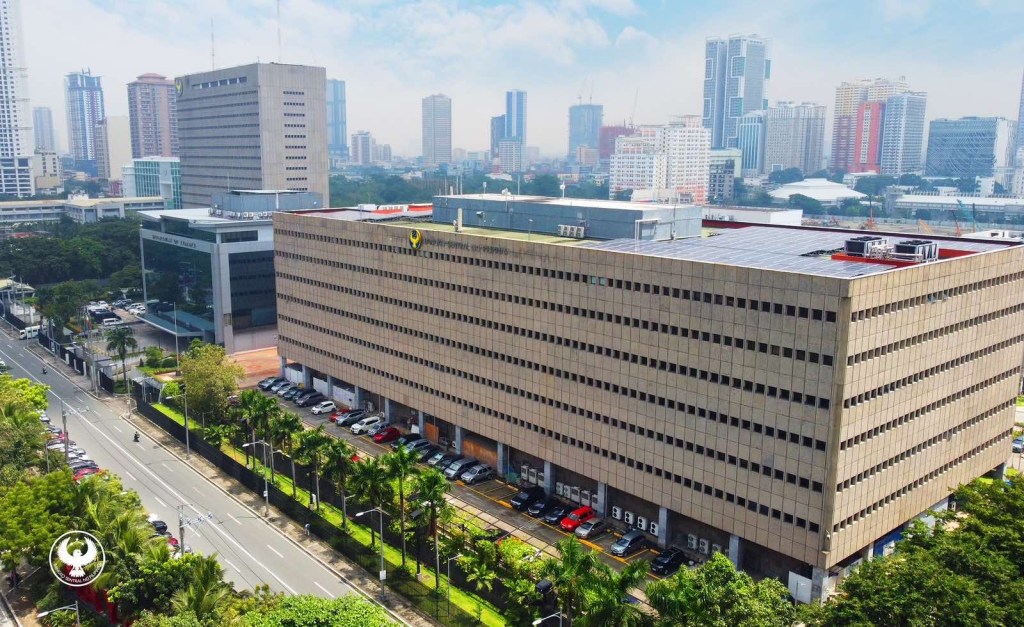
MANILA — Business confidence improved in May as companies anticipated stronger corporate earnings and lower oil prices, while consumer sentiment weakened amid concerns over rising food and fuel costs, according to surveys released by the Bangko Sentral ng Pilipinas (BSP) on Friday.
The BSP’s latest Business Expectations Survey (BES) showed that the overall business confidence index (CI) improved to -25.2 in May from -35.8 in April.
The central bank said businesses were more optimistic due to expectations that stronger consumer spending would boost corporate earnings.
Firms also expressed a more positive outlook for the next three to 12 months, citing expected growth in the manufacturing and construction sectors, lower fuel prices, easing inflation, and the possible resolution of the conflict in the Middle East.
Businesses also expect investor confidence to recover during the same period and said they plan to increase hiring as they anticipate an expansion in business activities.
The BSP earlier shifted the BES to a monthly schedule to provide a more timely assessment of business sentiment and allow the central bank to respond more proactively to changing domestic and global developments.
Meanwhile, results of the latest Consumer Expectations Survey (CES) showed that consumer confidence declined significantly in the second quarter of the year.
The consumer confidence index fell to -42 from -15.6 in the first quarter as more households expected higher food and fuel prices due to the conflict in the Middle East.
Consumers also anticipated higher unemployment and a weaker Philippine peso.
The BSP said households expect to spend more on essential goods and services but are less likely to purchase major items such as motor vehicles and real estate.
The survey also showed that households are less inclined to borrow and save, reflecting a more cautious financial outlook.
Year-ahead household inflation expectations were slightly above the BSP’s 3-percent target but remained below the 4-percent tolerance ceiling, with respondents expecting inflation to rise mainly because of higher food and utility prices.
“The BSP continues to closely monitor the impact of the Middle East conflict on domestic prices, broader economy, and consumer and business expectations,” the central bank said.






Leave a comment