
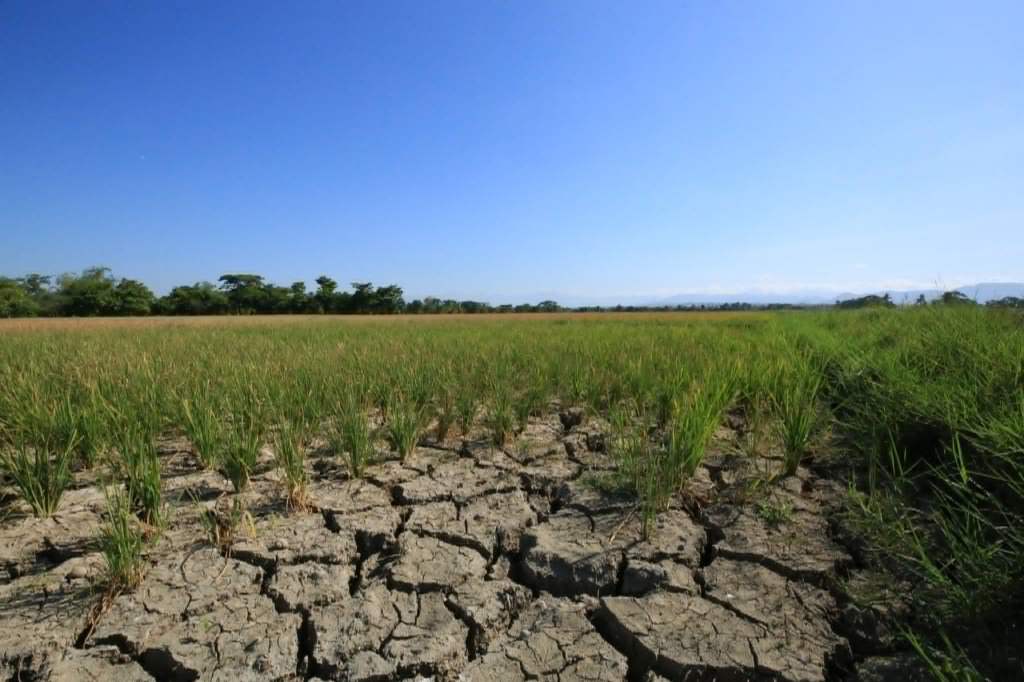
MANILA – The Department of Agriculture (DA) is intensifying its preparations for the second half of the year, with Agriculture Secretary Francisco P. Tiu Laurel Jr. directing officials to accelerate project implementation, strengthen coordination in the field, and improve data-driven planning as the country braces for an expected El Niño episode that could peak in November.
Speaking during the DA’s flag ceremony on Monday, Tiu Laurel said the department recorded improvements during the first six months of the year, citing stronger performance in internal evaluations as well as assessments conducted by the Commission on Audit and the Department of Budget and Management.
While acknowledging the agency’s progress, the agriculture chief stressed the need to sustain its performance as it faces weather-related threats and food security concerns in the coming months.
The directive echoed the priorities he raised during the DA’s midyear Management Committee meeting last week.
“Preparedness prevents a challenge from becoming a crisis, and a crisis from deteriorating into a catastrophe. That must be our guiding principle in the months ahead,” he said.
With weather forecasters projecting another strong El Niño event that may reach its peak around November, Tiu Laurel said the DA has more time to prepare than it had during the previous dry spell and should take advantage of the opportunity to implement mitigation measures.
He also pointed to improving external conditions, noting that fuel prices have declined while fertilizer prices have dropped from around USD930 per metric ton to about USD450. He added that local retail fertilizer prices are expected to return to nearly pre-war levels of P1,600 to P2,000 per bag by August.
According to Tiu Laurel, the lower production costs should encourage farmers to maximize planting before the dry season worsens.
He also instructed the department to speed up irrigation, water impounding and other climate adaptation projects, including the construction of small farm reservoirs that could also support fisheries and provide farmers with additional sources of food and income.
Beyond El Niño preparations, the agriculture chief said the department is shifting toward a food systems approach that integrates production, storage, logistics, weather information and market demand using real-time data.
He cited onions and carrots as examples of commodities where domestic production is sufficient but imports continue because of inadequate storage and cold chain facilities.
Tiu Laurel said expanding cold storage, blast freezers and logistics infrastructure would help preserve local harvests longer, improve distribution, and reduce reliance on imported food.
He also directed regional offices to determine the leading agricultural and fisheries commodities in every province, assess production capacity, and measure post-harvest losses to guide investments in storage, processing and cold chain facilities.
Tiu Laurel said the DA’s strategy over the next two years is to act earlier, improve planning, and make better use of data to strengthen the resilience of Philippine agriculture while gradually reducing the country’s dependence on food imports.





Leave a comment