
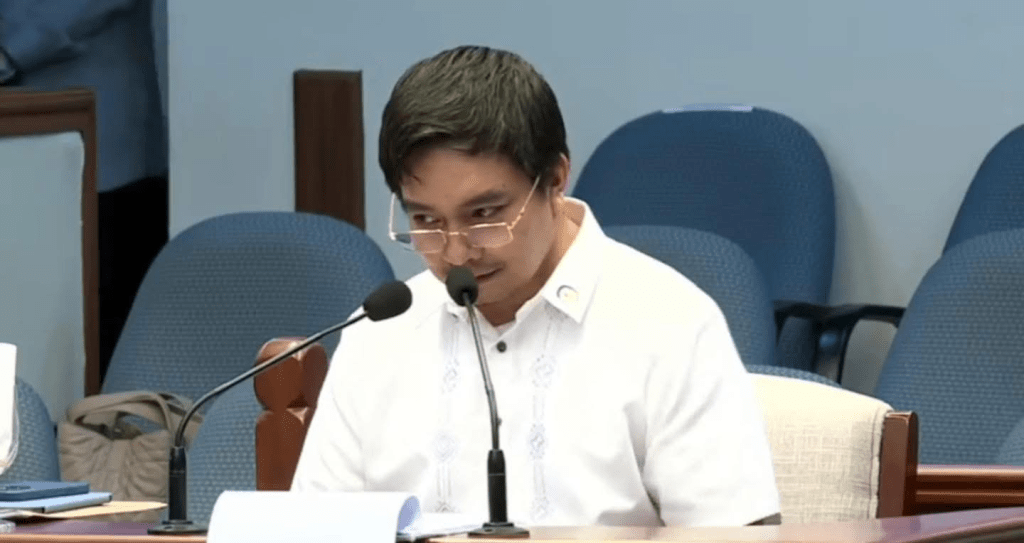
MANILA – House trial spokesperson Zia Alonto Adiong said the defense’s arguments over alleged clerical errors and inconsistencies in documents should not distract from the testimony presented during the impeachment trial of Vice President Sara Duterte.
Speaking at a press briefing, Adiong said the key issue remains the sworn testimony of a National Bureau of Investigation (NBI) witness, who stated that investigators found prima facie evidence with reasonable certainty of conviction to recommend filing three counts of grave threats and one count of inciting to sedition against Duterte.
“Ang nakikita natin ngayon ay pagtatangkang ilipat ang usapan mula sa substance ng testimonya patungo satechnicalities ng ilang dokumento. Huwag tayong malihis (What we are seeing now is an attempt to change the conversation from the substance of the testimony to the technicalities of some documents. Let’s not deviate),” Adiong said.
“Ibalik natin ang usapan sa testimonya ng testigo, hindi sa encoding ng mga dokumento (Let’s return to the testimony of the witness, not to the encoding of the documents),” he said.
Adiong said the defense has the right to scrutinize documents submitted before the impeachment court but maintained that such issues should not overshadow the witness’ testimony.
“But the public should also ask a simple question: Nagbago ba ang testimonya ng testigo? Ang sagot ay hindi (did the testimony of the witness change. The answer is no),” he said.
“Hindi nagbago ang isang salita sa testimonya ng testigo dahil lamang sa sinasabing typo o clerical error sa isang dokumento (The testimony of the witness did not change just because of the said typo or clerical error in a document),” he added.
While stressing that government agencies should ensure the accuracy of official records, Adiong said not every alleged discrepancy carries the same legal weight.
He also urged the public to distinguish clerical mistakes from the evidence presented during the proceedings.
“Paperwork should always be accurate. Ngunit ang paperwork ay hindi ang ebidensiya. Ang recordings, ang testimonya ng testigo, at ang findings na kanyang ipinaliwanag sa ilalim ng panunumpa ay magkakahiwalay na usapin at dapat suriin batay sa kanilang sariling bigat at halaga (But paperwork is not the evidence. The recordings, the testimony of the witness, and the findings that he explained under oath are different issues that should be examined based on their own weight and importance,” he said.
Adiong said the impeachment proceedings should remain centered on the constitutional issues raised in the Articles of Impeachment instead of matters that do not necessarily affect the substance of the evidence.
“Sa dulo, hindi typo ang huhusgahan ng Impeachment Court. Ang huhusgahan ay kung ano ang ipinakita ng ebidensiya at kung ano ang pinatunayan ng testimonya. Doon dapat manatili ang ating pansin (In the end, it’s not the typo that will be judged by the Impeachment Court. What will be decided will be on what evidence is shown and what the testimonies prove. The issue should remain there),” he said.


Leave a Reply