

MANILA – The Second Congressional Commission on Education (EDCOM 2) has warned that many learners with disabilities continue to face limited access to assessments, therapy and rehabilitation services despite the implementation of the Inclusive Education Act, citing the shortage of specialists and PhilHealth-accredited facilities across the country.
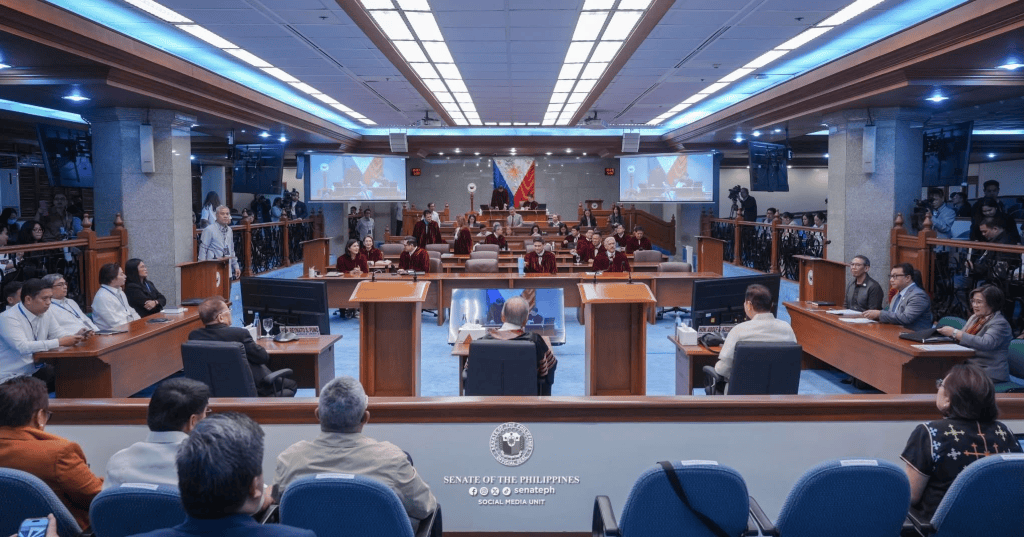
The issue was raised during Monday’s House Committee on Basic Education and Culture hearing on the implementation of Republic Act No. 11650, where lawmakers discussed challenges in providing support services required under the law.
EDCOM 2 said the country continues to experience gaps in healthcare infrastructure and manpower needed to serve learners with disabilities, even as more of them enter the education system.
The hearing came a week after President Ferdinand R. Marcos Jr., in his 2026 State of the Nation Address, announced the expansion of PhilHealth’s Z Benefit Package for children with developmental disabilities by increasing covered therapy sessions from 90 to 150.
EDCOM 2 welcomed the move, saying the additional coverage could help ease the financial burden on families. It stressed, however, that expanded benefits must be matched by wider access to accredited healthcare facilities and qualified professionals.
Based on EDCOM 2’s analysis of PhilHealth data as of June 30, 2026, only 14 contracted facilities nationwide currently provide Z Benefit Packages for children with disabilities. Five of these are located in the National Capital Region, while seven regions have no accredited facility, including Central Visayas, Zamboanga Peninsula and Northern Mindanao.
The Z Benefit Package covers assessment, planning, standardized testing and rehabilitation therapy for children with developmental disabilities.
During the hearing, EDCOM 2 Co-Chairperson and Pasig Rep. Roman Romulo said accreditation requirements have limited the number of participating hospitals.
“The Committee talked to PhilHealth. Meron silang Z Benefit Package. Ang problema ng package na ito, kailangan complete lahat ng services provided by that hospital before it is accredited. We met with the DOH, at sinabi sa atin na they will unbundle this para pwede nang ma-accredit ang government hospitals kahit hindi pa full service,” Romulo said.
EDCOM 2 also reported shortages in healthcare professionals needed to support learners with disabilities.
It said more than half of PhilHealth-accredited rehabilitation medicine specialists are based in Metro Manila, while only 109 certified developmental-behavioral pediatricians and 155 clinics accredited by the Philippine Society for Developmental and Behavioral Pediatrics currently serve the entire country. Occupational therapists, speech-language pathologists and psychologists also remain in limited supply.
Romulo said Congress had anticipated these workforce challenges when it enacted the Inclusive Education Act.
“Under the law, what we required is not merely an IRR; we required a roadmap. The roadmap is supposed to contain details on how they will expand not only the number of ILRCs, but also yung capacity ng CHED to be able to provide scholarships. Kasi alam natin na imposible ito overnight.”
EDCOM 2 Executive Director Karol Mark Yee said schools continue to seek guidance on how to support learners with disabilities while access to specialists and assessment tools remains limited in many areas.
“Ang tanong ng mga schools sa amin ngayon on the ground: kung wala pa yung assessment tools, kung wala pang developmental pediatrician o PhilHealth-accredited facility sa kanilang lugar, ano ang gagawin nila in the interim as basis for admission and accommodation? How might this guidance differ for those in areas with accredited facilities?” Yee said.
“The law contemplates that there will be a transition period, and that these will take time to invest in and make available, thus, our policies need to provide clear guidance for these differing contexts to guide our schools,” he continued.
EDCOM 2 noted that PhilHealth currently offers four Z Benefit Packages covering developmental disabilities, mobility impairment, visual disabilities and hearing impairment. However, based on 2025 PhilHealth data, only 841 claims were paid nationwide across the four packages, with the figures not necessarily representing individual beneficiaries because a learner may file multiple claims.
The commission said the expansion of therapy coverage is an important step but emphasized that the full implementation of the Inclusive Education Act will require sustained efforts to increase accredited facilities, expand the number of specialists, strengthen referral systems and provide schools with the support needed during the law’s transition period.


 Republika News
Leave a comment