
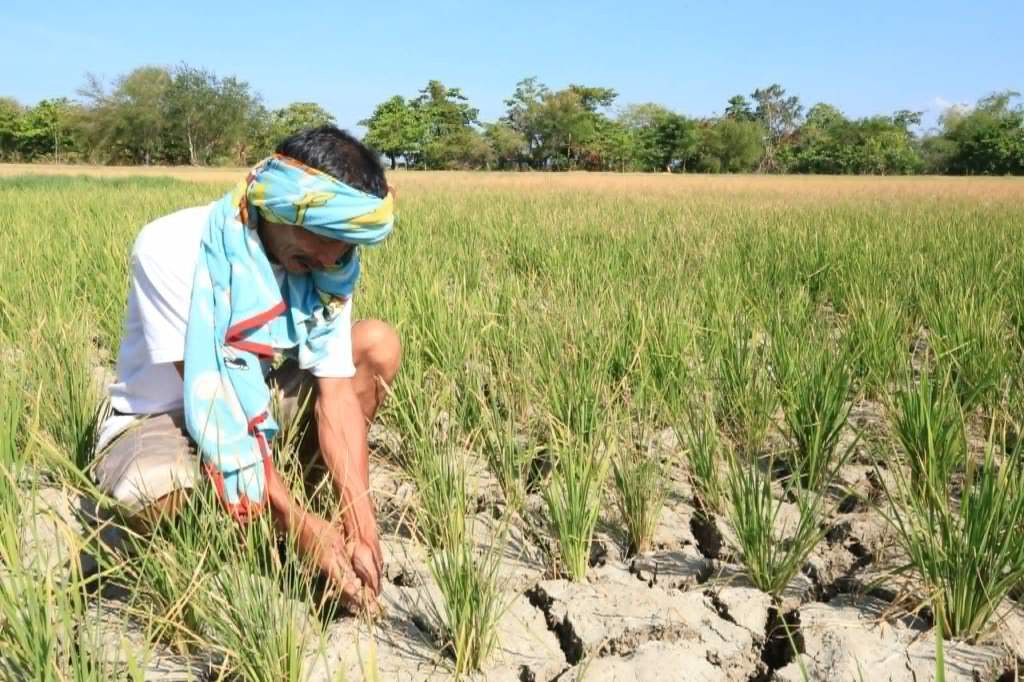
MANILA—The Department of Agriculture is strengthening its preparations for a possible El Niño-driven drought as the Bangko Sentral ng Pilipinas warns that the weather phenomenon could add pressure to inflation.
Agriculture Secretary Francisco P. Tiu Laurel Jr. has instructed DA agencies to regularly update their El Niño response plans using the latest weather, crop, water, and market data.
The department is seeking to limit the potential effects of drought on food security, domestic production, supply, and prices through both immediate assistance and measures intended to prevent weather-related disruptions from developing into shortages.
“The lessons we learned from the powerful El Niño episode that ended in mid-2024 should help us respond better to the climate challenge we now face,” Tiu Laurel said.
The agriculture chief said the DA is pursuing assistance for local producers while taking preemptive steps to protect food supplies ahead of possible weather disruptions.
The preparations come as the BSP raised its key interest rate by 25 basis points on Thursday in an effort to address persistent inflationary pressures. The central bank also left open the possibility of additional monetary action should price pressures continue.
Previous experience has shown how weather conditions and trade policies can combine to affect rice prices.
During the last El Niño episode, global rice prices increased amid concerns over production and India’s restrictions on rice exports. The Food and Agriculture Organization reported that its All Rice Price Index rose 21% in 2023, driven largely by El Niño-related production concerns and India’s export restrictions.
India prohibited exports of non-basmati white rice in July 2023 and implemented other restrictions, highlighting the potential impact of measures taken by a major rice-exporting country on global supply and import-dependent markets.
The Philippines also faced production challenges during the period, with agriculture contracting in 2024 and rice output declining 4.85% from the previous year due to adverse weather.
A new drought could put additional pressure on domestic supplies while international rice markets remain exposed to weather-related production risks and changes in trade policies.
The DA’s preparations include measures intended to address potential production losses before they occur. These involve strengthening irrigation, modifying planting schedules, securing agricultural inputs, monitoring inventories, and preparing import and market interventions when needed.
The department also plans to move production toward areas expected to experience less severe impacts from El Niño, expand cloud seeding and solar-powered irrigation, and improve water-use efficiency.
Other measures include distributing drought-tolerant seeds, providing crop insurance indemnification, and extending emergency financial assistance to farmers who may be affected.
“We have to produce more where the impact of El Niño will be less severe, increase the water available to farmers, and use every drop wisely through practices such as alternate wetting and drying and planting crops that require less water,” he said.





Leave a comment