
MANILA—Philippine agricultural officials are evaluating digital precision techniques used in China to help address local resource limits, upgrade farm infrastructure, and accelerate modernization efforts nationwide.
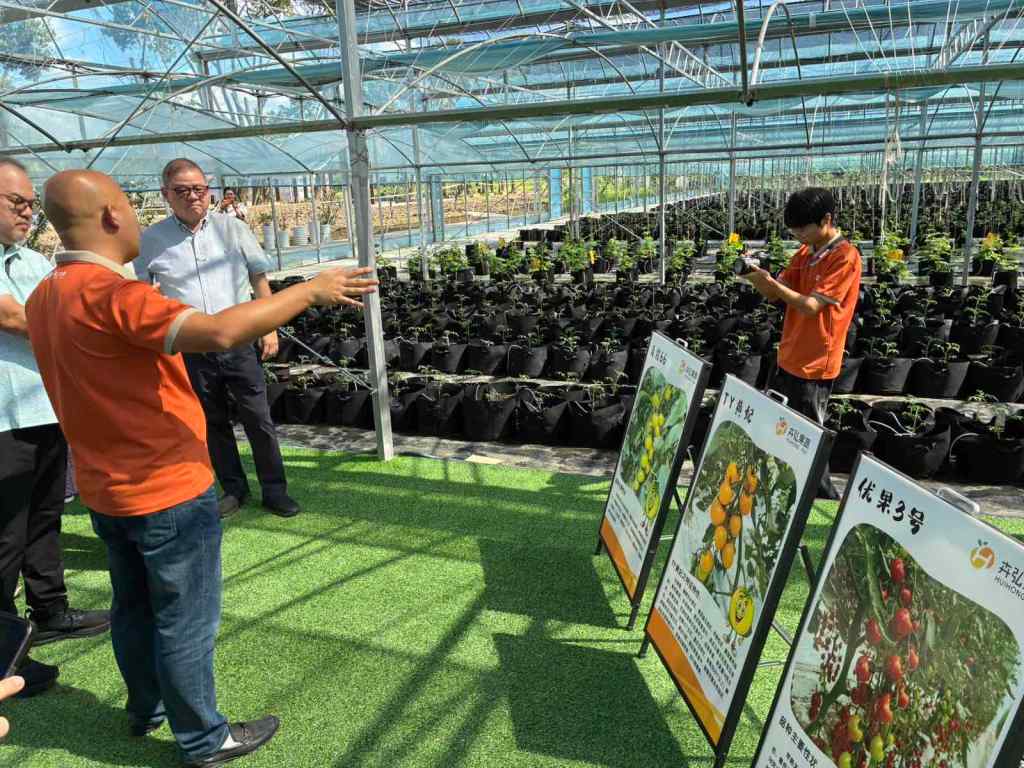
On Aug. 24, Agriculture Secretary Francisco P. Tiu Laurel Jr. headed a Philippine team on a visit to the Zhejiang Huihong Fruit and Vegetable Farm located in Zhejiang province. During the tour, the delegation observed digital platforms designed to track crop health and streamline everyday farm management.
“We have to modernize agriculture, and we have to find the right technology that will allow us to leapfrog,” Tiu Laurel said, noting that selected tools must fit local farming environments. He added that the country should readily embrace tested methods, remarking, “There’s nothing wrong with copying the success of others if it will help others.”
During the inspection, Zhejiang Huihong Biotechnology Co. Ltd. founder Zheng Yunyu presented the facility’s smart agriculture data network. The system links real-time production metrics, automated irrigation, nutrient distribution, and climate monitoring.
The delegation toured various greenhouses to review precision management systems and green crop protection standards before sampling local produce, including jujubes, plums, and grapes. Subsequent discussions centered on potential joint ventures in fruit and vegetable production, industrial quality control, ecological planting frameworks, and agritech integration.
Tiu Laurel noted that significant opportunities exist for Philippine-China partnership, sharing his intent to turn the visit into concrete initiatives.
The Department of Agriculture (DA) views the facility’s digital tools as a operational framework to help domestic farms optimize fertilizer application, water usage, microclimates, and yield logging. Officials noted that future collaboration could center on industry partnerships and technology transfers covering crop protection, precision management, and ecological farming practices.
Moving forward, the primary challenge for the DA will be identifying which mechanisms can operate cost-effectively across diverse Philippine farms, which currently face varying levels of digital access, capital, and infrastructure. Observing a functional operation allows the country to assess which technologies are worth adopting, adjusting, or bypassing.




Leave a Reply