

One of the most practical, low-drama, and high-impact ways to restore our battered environment is staring us right in the face: build more forest parks on public lands. Not decorative gardens. Not concrete-heavy “theme parks.” Real forest parks—dense, native, living ecosystems that double as climate shields and community spaces.
Forest parks are not luxuries. They are living infrastructure for climate resilience, biodiversity protection, water security, and community dignity. In an era of rising heat, flooding, and air pollution, trees are no longer just aesthetic—they are survival tools.
We already have proof that this works.
Right in the heart of Manila stands Arroceros Forest Park, a rare 2.2-hectare urban forest along the Pasig River. Once threatened by conversion, it now hosts hundreds of native trees and bird species and serves as a quiet refuge for walkers, students, and city workers. It proves that even the densest city can still breathe—if we let it.
Another good local example is La Mesa Eco Park in Quezon City, a public–private partnership that protects a critical watershed while also serving as a recreation and education hub. It shows that forest protection and tourism can coexist.
Abroad, the models are even more instructive. Singapore’s Bishan–Ang Mo Kio Park transformed a concrete flood canal into a naturalized river system with forests and open green space that also controls flooding. In Japan, Miyawaki micro-forests demonstrate how dense native planting can create real forests in just a few decades. In Brazil, indigenous-managed forest reserves consistently show lower deforestation rates than state-managed areas.
So why are we not doing this at scale across the Philippines?
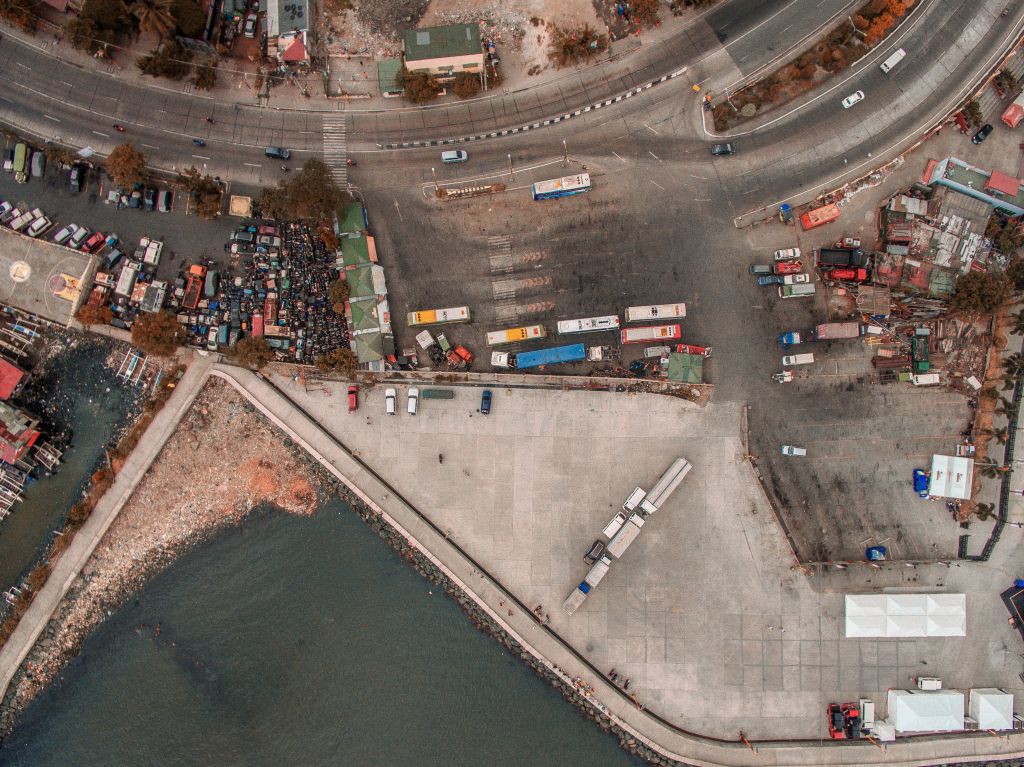
We have thousands of hectares of idle public lands—along rivers, coastlines, road easements, abandoned government sites, and reclaimed areas. Many of these could be converted into forest parks instead of becoming squatter zones, dumping grounds, or speculative real estate.
And let us not forget mangrove forests. Why not formally develop more mangrove zones into protected mangrove forest parks? They already serve as storm buffers, fish nurseries, and carbon sinks. With boardwalks, research stations, and eco-tourism facilities, they can also become income-generating destinations for coastal communities.
Who should lead this?
The DENR is the natural lead agency, but it should not work alone. The Bureau of Plant Industry (BPI) can help develop nurseries for native species. UP Los Baños and other state universities can provide research, species selection, and monitoring. LGUs should identify idle lands and handle local implementation. Barangays, people’s organizations, and even indigenous groups can serve as community stewards.
Could this be a public–private partnership? Absolutely. Corporate social responsibility (CSR) funds can finance park development, while cooperatives can manage food kiosks, guided tours, seedling sales, and eco-activities. A well-designed forest park can pay for part of its own upkeep without being commercialized to death.
Forest parks also solve multiple problems at once. They reduce urban heat, improve air quality, recharge groundwater, protect us from flooding, and create free spaces for exercise, learning, and mental health. And because they sit on public land, access is not limited to those who can afford private villages or exclusive resorts.
Imagine if every city and province committed to creating just one major forest park and several micro-forest parks within the next ten years. That would already be a quiet environmental revolution—tree by tree, barangay by barangay.
The question is no longer whether forest parks are useful. The science is settled. The benefits are obvious. The land is available.
The real question is: Do we have the political courage to choose forests over short-term conversion, and public good over private convenience?
Because every year we delay, we lose not only trees—but cooling, water, safety, and dignity for the next generation.
RAMON IKE V. SENERES
www.facebook.com/ike.seneres iseneres@yahoo.com senseneres.blogspot.com 09088877282/10-05-2026




Leave a comment