
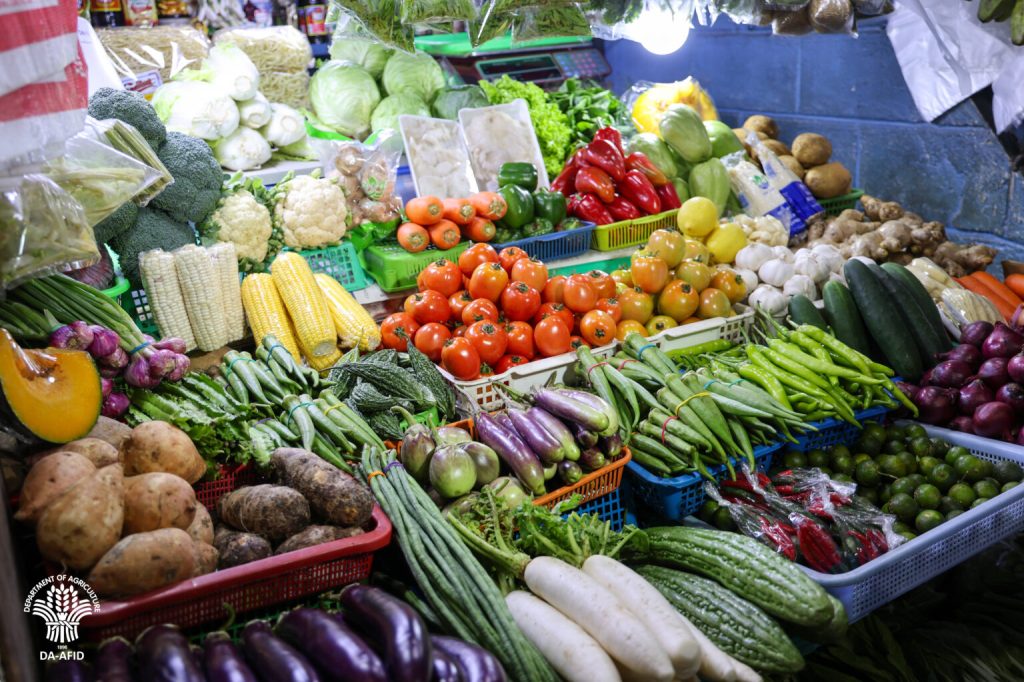
MANILA— The Department of Agriculture is intensifying measures to stabilize food supply and prices after food inflation accelerated in September amid weather-related disruptions, higher logistics expenses and rising oil prices.
Agriculture Secretary Francisco P. Tiu Laurel Jr. said the government is preparing for climate-related supply disruptions by ensuring that food stocks, production assistance and market interventions are available when needed.
“We are setting aside P45 billion for our El Niño response, with P6.2 billion already released, because we need to make sure that food supply remains stable and prices do not spiral whenever climate challenges hit our farmers and fisherfolk,” Tiu Laurel said.
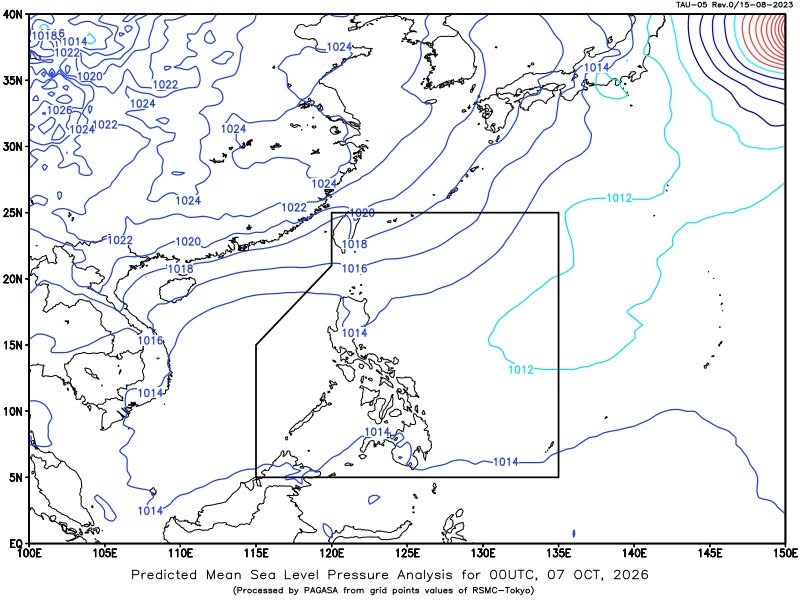
The government is preparing for a projected Super El Niño later this year through the first half of 2027. PAGASA expects the prolonged dry spell to have its strongest impact on agriculture, fisheries and livestock from November to April, potentially affecting food supply and adding to price pressures.
The measures include supply and price interventions, including importation when necessary, as well as assistance for farmers, fisherfolk and agricultural truckers to help offset higher production and transportation costs.
Data from the Philippine Statistics Authority showed food inflation rose to 6.8% in September from 4.6% in August and 0.8% a year earlier.
Overall inflation accelerated to 7.2% in September, matching the rate recorded in April and marking the fastest pace since March 2023. Food and utility costs were among the main contributors to the increase.
Vegetable prices surge
Vegetables and other crops were among the major sources of food price pressures during the month.
Inflation for vegetables, tubers, plantains, cooking bananas and pulses jumped to 10.7% in September from a 3.4% decline in August.
The Agriculture Department said weather-related disruptions have made it more difficult to move food from farms to markets, while higher fuel prices have increased trucking and distribution costs.
Rice inflation also increased to 20.3% in September from 19.4% in August.
Fish and seafood inflation rose to 7.4% from 6.6%, while inflation for fruits and nuts accelerated to 8.7% from 5.8%.
Cereals and cereal products, including rice, accounted for the largest share of food inflation at 64.5%, equivalent to 4.4 percentage points. Fish and seafood contributed 1.3 percentage points, while vegetables and related products added 1 percentage point.
Tiu Laurel said the government’s strategy is to maintain the flow of food supplies while providing support to sectors absorbing higher costs of production and transportation.
Food accounted for 34.4%, or 2.5 percentage points, of the country’s overall inflation in September, making supply stabilization a key component of efforts to contain broader price pressures.




Leave a comment